

 By Zobia Zulfqar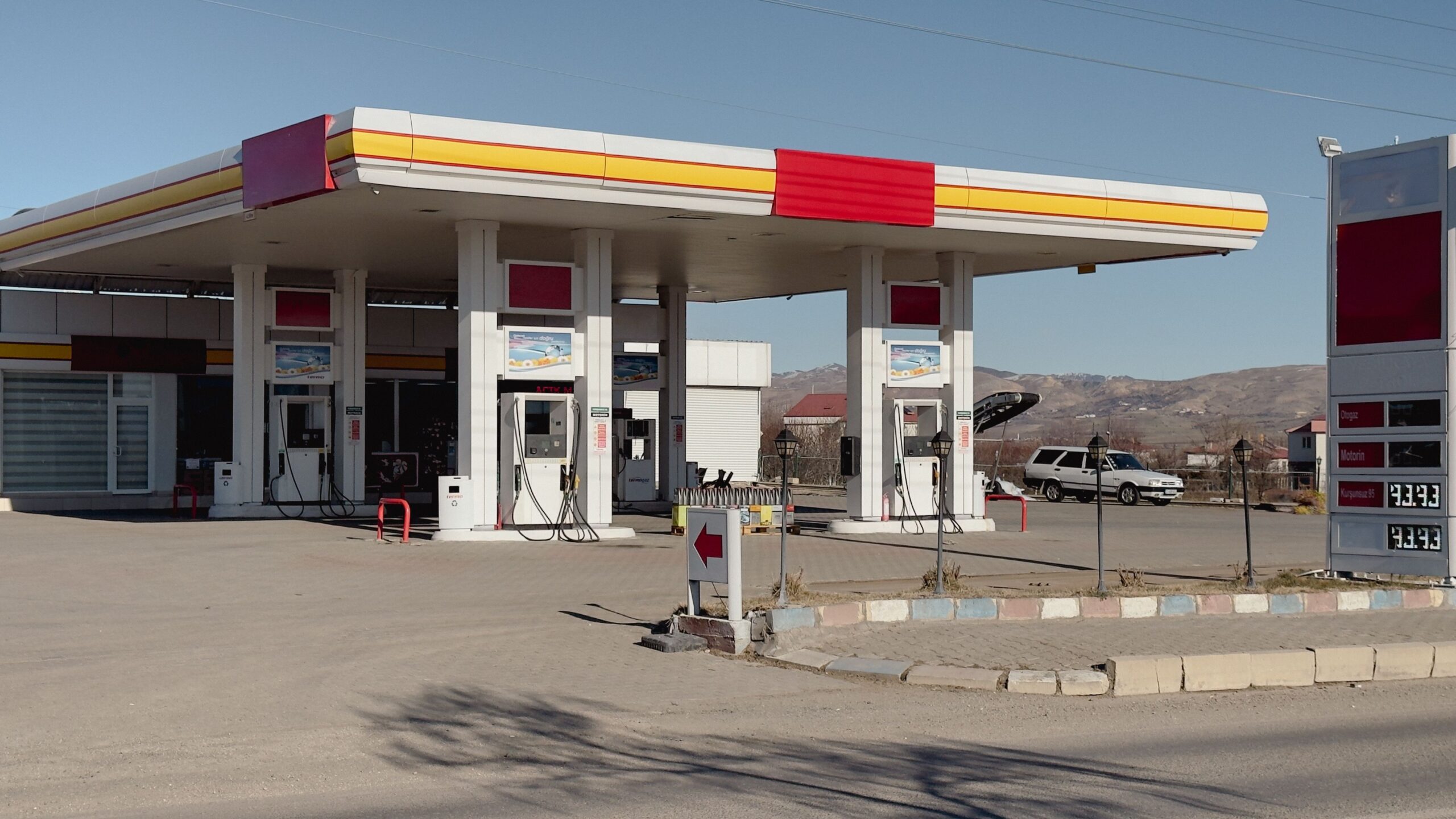
Ghanaians could soon get some relief at the pumps after global fuel prices fell sharply following reports of a peace agreement between the United States and Iran.
Oil prices declined during Asian trading on Monday after Pakistan, which has been mediating talks between the two countries, announced a breakthrough deal. The agreement reportedly includes the reopening of the Strait of Hormuz, one of the world’s most important shipping routes for crude oil and liquefied natural gas.
Former US President Donald Trump added to market optimism after posting on social media that the deal would allow oil to move freely through the strategic waterway once again.
The reaction in the oil market was immediate.
Brent crude, the global benchmark, dropped about 4.8 percent to $83.18 a barrel. US West Texas Intermediate fell even further, declining 5.6 percent to $80.13 per barrel.
For Ghana, which depends heavily on imported refined petroleum products, the decline could lower fuel import costs and eventually translate into cheaper prices at filling stations during the next pricing window.
However, analysts say consumers should not expect immediate changes.
Pakistan’s Prime Minister, Shehbaz Sharif, said a formal signing ceremony is expected to take place in Switzerland on Friday, June 19. Iran’s Deputy Foreign Minister, Kazem Gharibabadi, also confirmed on state television that an agreement with the United States had been reached.
Even so, uncertainty remains.
Vandana Hari of Vanda Insights warned that limited details surrounding the agreement could continue to fuel market volatility in the short term. Investors are still waiting to see how the deal will be implemented and whether both sides will stick to their commitments.
The Strait of Hormuz has faced disruptions since tensions escalated earlier this year following military strikes involving the United States and Israel. The narrow passage carries roughly 20 percent of the world’s oil and liquefied natural gas trade, making any disruption a major concern for energy markets.
Industry consultant Andrew Lipow noted that reopening the route does not automatically restore normal operations. Mines would need to be cleared and shipping backlogs addressed, a process that could take weeks or even months.
Despite those concerns, financial markets welcomed the development. Asian stocks rallied on Monday, with Japan’s Nikkei 225 rising 5.4 percent and South Korea’s Kospi gaining more than 5.5 percent as investors responded positively to easing geopolitical tensions.
Oil markets have experienced sharp swings in recent months. Brent crude previously surged to around $120 per barrel at the height of the conflict before easing to about $70 ahead of the latest escalation.
For now, Ghanaian consumers and industry players will be watching closely. If global prices continue to trend lower and local market conditions remain stable, the next fuel pricing window could bring some much-needed relief.
Also Read: Adentan High Court Orders Substituted Service on Regional Minister for Contempt