

 By Ishmeal
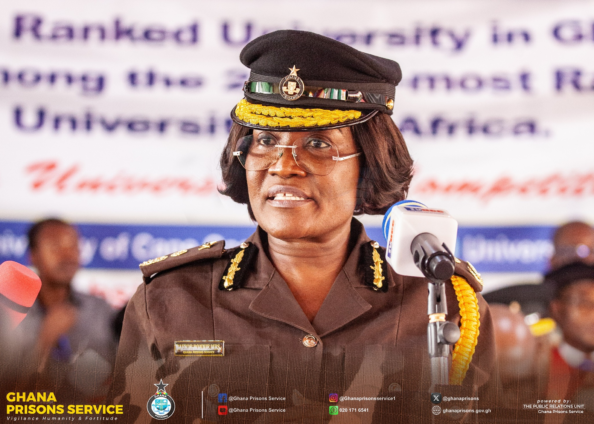
The Director-General of the Ghana Prisons Service, Patience Baffoe-Bonnie, has called for better salaries and improved working conditions for prison officers, warning that the difficult nature of the job is discouraging prospective recruits.
Baffoe-Bonnie raised concerns about the psychological, emotional and physical pressures officers face while working in prisons. She argued that their salaries and conditions of service should reflect the demands and risks associated with their responsibilities.
Her comments have renewed attention on staff welfare, recruitment challenges and the need to make the Ghana Prisons Service more attractive to qualified applicants.
‘Working in Prisons Is Extremely Difficult’
Baffoe-Bonnie highlighted the challenging environment in which prison officers perform their duties.
She explained that officers must work in the same custodial environment as inmates, despite not having committed any offence themselves. According to her, the experience can take a toll on their emotional and psychological well-being.
She also raised concerns about depression among personnel, pointing to the need for greater attention to the mental health of officers.
Her remarks underline the pressures associated with maintaining security and supervising inmates in demanding working conditions.
Poor Salaries Raise Recruitment Concerns
The Prisons Service Director-General also expressed concern about the service’s ability to attract new recruits.
She said the latest recruitment exercise revealed lower interest in purchasing application forms for the Prisons Service compared with other security agencies.
Baffoe-Bonnie linked the situation partly to the difficult working environment and the salaries offered to officers.
She called for better compensation to encourage more qualified people to consider careers in the service.
Attracting suitable recruits is important for maintaining adequate staffing levels and ensuring that officers can carry out their responsibilities effectively.
Call for Additional Allowances for Prison Officers
Beyond salary increases, Baffoe-Bonnie called for additional support for officers exposed to occupational health risks.
She highlighted the need for a contagious disease allowance, explaining that prison officers may encounter infectious diseases while carrying out their duties.
She also raised concerns about officers working in facilities where the health conditions of inmates may not be immediately known.
Her appeal focused on the need for compensation and protective measures that recognise the risks officers face in the line of duty.
Why Prison Officers’ Welfare Matters
Prison officers play an important role in Ghana’s criminal justice system. Their responsibilities include maintaining security, supervising inmates and supporting rehabilitation efforts.
However, difficult working conditions, concerns about remuneration and occupational health risks can place considerable pressure on personnel.
Better salaries, improved workplace conditions, access to healthcare and mental health support could help address some of the challenges raised by the Director-General.
Improving staff welfare may also help the service retain experienced officers and attract new applicants.
Ghana Prisons Service Faces Calls for Better Conditions
Baffoe-Bonnie’s concerns highlight the importance of reviewing the conditions under which prison officers work.
Her call for better salaries, additional allowances and improved welfare support reflects the challenges of attracting people to a demanding profession.
Addressing these concerns would require attention to compensation, workplace safety and the psychological well-being of personnel.
For the Ghana Prisons Service, making the profession more attractive remains an important part of efforts to recruit and retain qualified officers while maintaining the security and effective operation of the country’s prisons.
Also Read:Ecg Announces Nationwide Meter Audit To Curb Power Theft