

 By Aaron Hammond
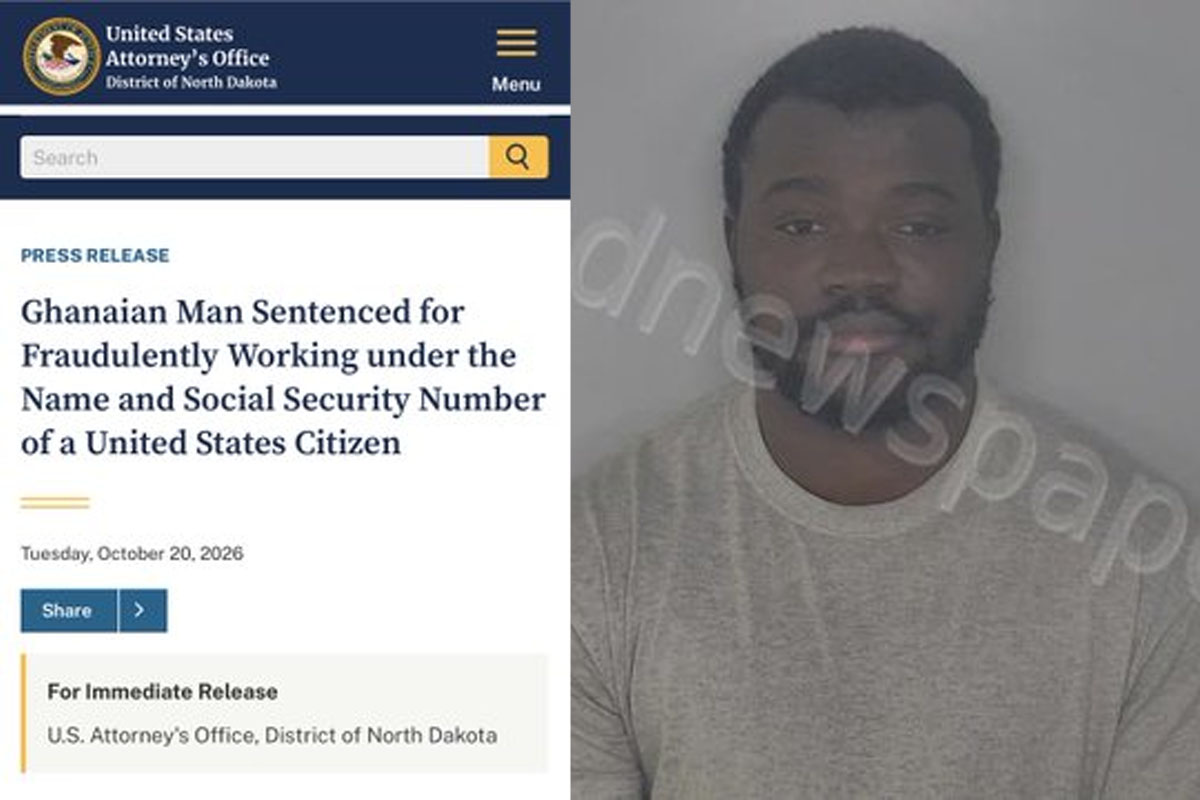
A 29 year old Ghanaian, Linford Atakora, has been sentenced to approximately nine months in prison in the United States after using a relative’s identity and Social Security number to secure employment.
The case highlights the serious legal consequences of identity fraud and the misuse of personal information. Atakora’s case involved a home health agency in North Dakota, where his actions allegedly enabled the company to receive government benefits and claims it was not entitled to receive.
How the Identity Fraud Case Happened
Court documents state that Atakora used his relative’s Social Security number to obtain employment at Love & Care, Inc., a home health agency in North Dakota. Authorities convicted him of misusing a Social Security number to obtain employment without legal authorisation. The case also involved government benefits and claims totalling US$51,435.63, which the company falsely received as a result of his actions. The case shows how identity misuse can affect not only individuals but also employers and public funds.
Prison Sentence and Deportation to Ghana
The Ghanaian man received a prison sentence of approximately nine months. Reports indicate that he had already spent time in federal custody, which may count towards the time he must serve. Authorities have also ordered his deportation to Ghana. His case serves as a reminder that using another person’s identity to obtain employment can carry serious consequences under US law, including imprisonment and removal from the country.
What Ghanaians Should Learn From the Case
Identity fraud is not a minor offence, especially when it involves government records and public funds. Social Security numbers help identify individuals in the United States and support access to employment, taxation and social benefits. Using another person’s details without authorisation can expose both the offender and other parties to legal and financial problems.
For Ghanaians seeking employment abroad, the lesson is straightforward: use genuine personal documents and follow the country’s immigration and employment laws. A shortcut that appears convenient today can lead to prison, deportation and a damaged future. The case also reminds employers to verify employee information carefully and protect public resources from fraud.
Alos Read: Trump Launches Fraud Tip Reward Plan: What to Know
Source: Ghana News Page