

 By Aaron Hammond
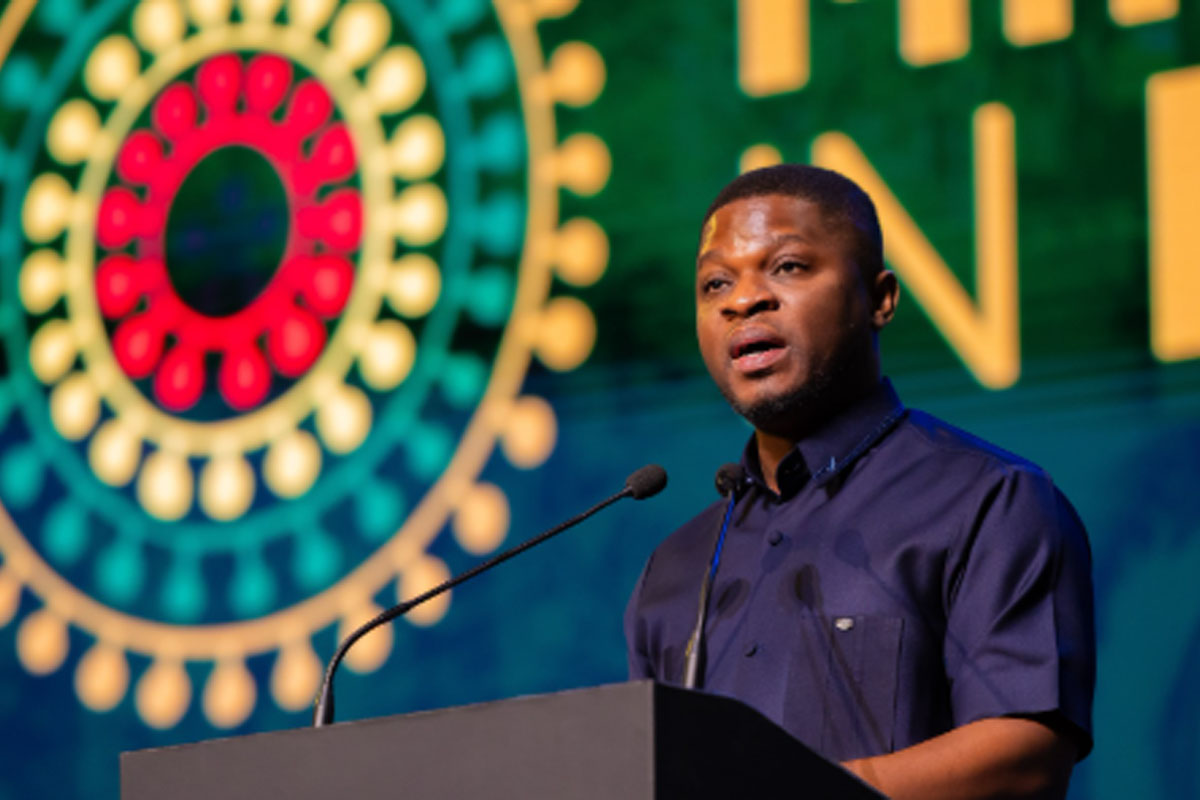
Ghana is taking another step towards processing more of its gold at home, rather than relying on raw gold exports. The Ghana Gold Board (GoldBod) says it locally refined 5.4 tonnes of the 5.7 tonnes of artisanal and small scale mining (ASM) gold it purchased in October 2026.
This represents 94.6% of the total, according to GoldBod Chief Executive Officer Sammy Gyamfi. He shared the figures at the African Minerals Policy Forum’s Mining in Motion 2026 event. The development is significant because Ghana wants more of the economic benefits from its gold to remain in the country. Producing gold brings revenue, but processing it locally can create additional business opportunities.
GoldBod attributes the progress to partnerships with two privately owned Ghanaian refineries, Gold Coast Refinery and Royal Ghana Gold Refinery. The Board signed refining service agreements with both companies earlier in 2026. These partnerships support Ghana’s effort to expand local gold processing and build capacity within the domestic mining industry. According to GoldBod, the two refineries had processed 25 tonnes of ASM gold purchased and exported by the Board in 2026 as of October 20. This represented approximately 30% of GoldBod’s total ASM gold exports of 85.4 tonnes. Since August 1, local refineries had processed 18.7 tonnes, representing 76% of the 25 tonnes processed over the reported period.
What Does Local Gold Refining Mean for Ghanaians?
Local gold refining could help Ghana retain more economic activity through refining services, skilled jobs and business opportunities. It can also help build local expertise and reduce reliance on overseas processing. However, the reported figures do not establish how many jobs the partnerships have created or how much additional revenue Ghana has retained. Those results will need clear evidence over time. GoldBod has also reported that 30% of the output from large scale mining companies purchased under the Ghana Accelerated National Reserve Accumulation Program (GANRAP) is being refined locally. This suggests that the government’s value addition drive extends beyond artisanal and small scale mining.
Ghana Targets Zero Raw Mineral Exports by 2030
GoldBod says Ghana wants to move away from exporting minerals entirely in raw form. Sammy Gyamfi stated that the country aims to progress from exporting 100% of its minerals in raw form at the end of 2024 to achieving zero raw mineral exports by the end of 2030. The two refineries are also pursuing accreditation from the London Bullion Market Association (LBMA) within the next three to five years, under GoldBod’s regulatory guidance. That accreditation remains a future target, not an achievement already secured. Ghana will need sustained investment, reliable infrastructure and strong regulatory oversight to meet its wider ambition. The 94.6% October result is encouraging, but maintaining that progress and turning it into measurable benefits for Ghanaians will be the real test.
Also Read: Government Owes GWCL GH¢459 Million, Michael Klutse Reveals