

 By Zobia Zulfqar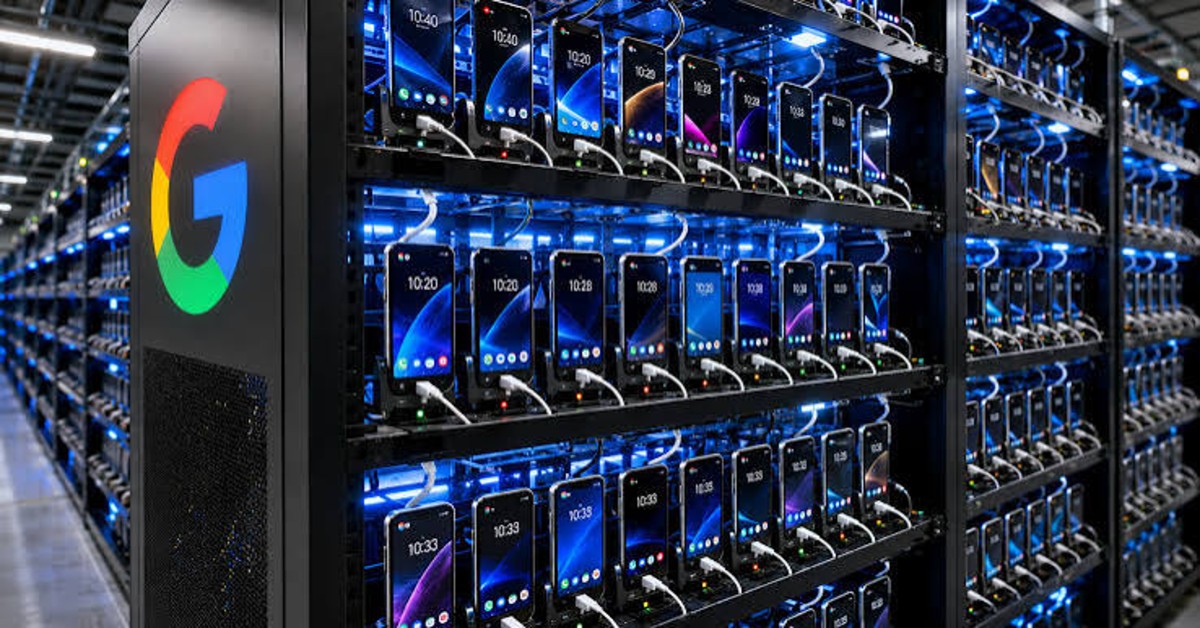
Google is exploring a new way to reduce electronic waste and lower the environmental impact of cloud computing by transforming retired smartphones into cloud servers.
Working with researchers at the University of California San Diego (UC San Diego), the company is testing an innovative concept known as phone cluster computing, which repurposes old smartphones as computing infrastructure instead of sending them to landfills.
The initiative aims to give aging devices a second life while providing affordable cloud computing resources for education and research.
Giving Old Phones a New Purpose
Millions of smartphones are replaced every year, even though many of their internal components remain functional. While outdated cameras, worn batteries, or cracked screens may make older devices unsuitable for everyday use, their processors and circuit boards often retain significant computing power.
Rather than treating these devices as electronic waste, researchers are removing the smartphones’ motherboards and integrating them into large computing clusters capable of performing cloud-based tasks.
Google believes this approach could reduce the need to manufacture new server hardware while extending the useful life of existing electronics.
A 2,000-Phone Data Center
According to Google, UC San Diego plans to launch a data center built from approximately 2,000 retired Google Pixel smartphones during the fall of 2026.
Instead of relying on traditional server machines, the facility will use the processing power of recycled smartphone components connected together to perform computing tasks.
The project is expected to provide affordable cloud computing services for students and researchers while significantly lowering hardware costs and reducing carbon emissions associated with manufacturing conventional servers.
If successful, the experiment could demonstrate that older consumer electronics remain valuable long after they are retired from daily use.
Lowering Carbon Emissions
Modern data centers require enormous amounts of specialized hardware that consumes significant energy and resources to manufacture.
By reusing smartphone components, researchers hope to reduce electronic waste while lowering the environmental footprint of cloud infrastructure.
Manufacturing fewer new servers could help reduce emissions associated with mining raw materials, producing electronic components, and transporting equipment.
The initiative also supports broader efforts to create more sustainable technology systems by extending the lifespan of existing devices rather than replacing them.
What Is Phone Cluster Computing?
Phone cluster computing connects the processors from multiple retired smartphones so they can work together as a distributed computing system.
Although a single older smartphone may no longer compete with today’s flagship devices, combining thousands of them creates a computing platform capable of handling a variety of cloud workloads.
This approach could prove particularly useful for research, education, software testing, artificial intelligence experiments, and other applications that do not require high-end enterprise servers.
Researchers believe the system can deliver useful computing performance at a fraction of the environmental cost of building entirely new infrastructure.
Potential Impact
If the project proves successful, it could offer a practical solution for one of the technology industry’s growing challenges: electronic waste.
Every year, millions of smartphones are discarded despite containing processors and other components that remain fully operational. Repurposing those devices could reduce waste while creating new computing resources for universities, research institutions, and organizations with limited budgets.
The initiative also highlights how cloud computing infrastructure could evolve in the future by making greater use of recycled electronics.
While the experimental data center is initially intended for academic research, the findings could eventually influence how technology companies design sustainable cloud infrastructure.
By giving retired smartphones a second life as cloud servers, Google and UC San Diego hope to demonstrate that yesterday’s mobile devices can continue delivering value long after they’ve disappeared from users’ pockets.