
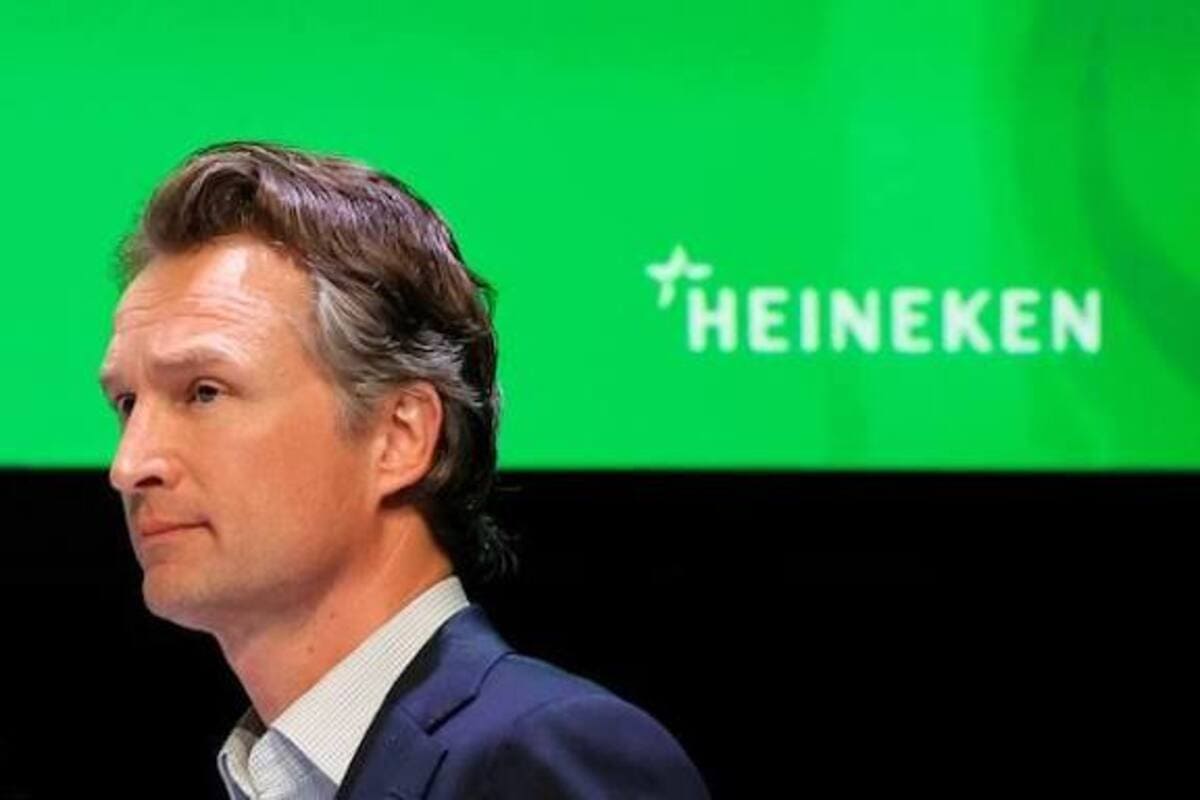
Dolf van den Brink’s time as chief executive of Heineken is coming to an end, marking a quiet but notable shift at one of the world’s biggest brewers.
The company confirmed on Monday that van den Brink will step down on May 31, six years after taking on the role during one of the most disruptive periods the industry has ever faced. He will stay on as an adviser for eight months while the company searches for a new leader.
Van den Brink became CEO in June 2020, just as the COVID-19 pandemic was shutting down bars, restaurants and major events across the world. Since then, Heineken has had to navigate rising costs, uneven demand, and growing pressure from investors over performance and efficiency.
Both van den Brink and supervisory board chairman Peter Wennink described the timing of his exit as deliberate, coming shortly after the company outlined its strategy through to 2030. According to them, the business has reached a point where a leadership change would help push that plan forward. Van den Brink said he remains committed to delivering on the strategy before his departure.
Markets reacted cautiously. Shares in Heineken fell about 2 percent in early European trading following the announcement.
The resignation adds van den Brink to a growing list of consumer-sector executives stepping aside as households cut back on spending. For brewers, the challenges have been particularly persistent, with beer consumption affected by changing lifestyles, unpredictable weather and geopolitical uncertainty. Investors have also grown wary of how trends such as weight-loss medication could affect long-term food and drink demand.
Heineken has not been immune to criticism. The company has been accused of falling behind rivals on cost control and shareholder returns, raising expectations for whoever takes over. The next CEO will be expected to deliver on the 2030 plan, which focuses on selective brand investment, market prioritisation and tighter cost management.
During his tenure, van den Brink oversaw acquisitions in India and South Africa, led a major restructuring programme, and managed volatility in key markets such as Nigeria and Vietnam. In 2025, Heineken also found itself in a high-profile pricing dispute with European retailers that saw some of its products temporarily removed from shelves.