

 By Emmanuel Bamfo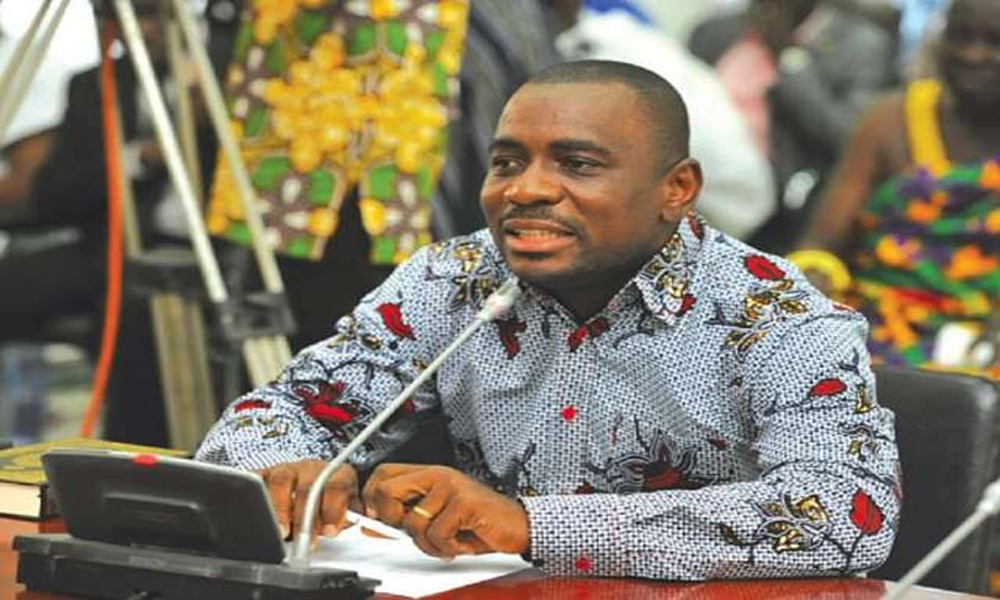
If you have ever survived the high-stakes drama of the Computerized School Selection and Placement System (CSSPS) in Ghana, you know the absolute madness that unfolds every academic season.
Hon. Kennedy Osei Nyarko, the Member of Parliament for Akim Swedru, has officially proposed establishing at least one Category A senior high school in every Metropolitan, Municipal, and District Assembly (MMDA) across the nation.
I remember sitting with a frantic relative last year during the placement release, watching parents scramble and sweat over securing a single slot in top-tier institutions like Wey Gey Hey or Prempeh College. Everyone knows how heavy the competition gets when thousands of bright students chase a handful of elite traditional schools. Let’s unpack why Kennedy Osei Nyarko wants to reshape our educational map, how localizing elite schools solves major logistical headaches, and what this bold proposal means for Ghanaian families.
Why Is Kennedy Osei Nyarko Pushing for Decentralized Elite Schools?
To understand the genius behind this proposal, you have to look at the massive bottleneck in our current secondary school setup. Kennedy Osei Nyarko argues that building or upgrading a Category A school in every district dramatically reduces placement pressure while ensuring equal access to top-notch infrastructure.
Have you ever wondered why parents willingly spend thousands of cedis or trek across regions just to get their children into a specific school? IMO, parents do not just chase prestigious names; they chase proven academic results, modern science labs, and superior boarding facilities. Elevating local schools to Category A status brings those exact same high standards straight to your doorstep.
Here are the primary issues driving this legislative proposal:
-
Overcrowding in traditional elite schools: A few legacy institutions absorb an overwhelming percentage of top-performing BECE candidates.
-
High financial burdens on families: Long-distance travel and off-campus housing strain household budgets across rural areas.
-
Regional educational inequality: Developing districts struggle to retain local talent when students leave for urban boarding schools.
What Does Expanding Category A Status Actually Require?
So, how do we transform a standard district school into a genuine Category A powerhouse? Upgrading a senior high school requires substantial government investments in ultra-modern science laboratories, well-stocked libraries, expansive dormitories, and top-tier teaching staff.
Building brand-new schools from scratch everywhere might sound ideal, but upgrading existing, well-performing Category B or C institutions offers a far more realistic roadmap.
The Realistic Path to District-Level Upgrades
During recent discussions, policy experts highlighted that converting top-performing local schools provides an immediate boost to community development. When a local school achieves Category A status, surrounding communities experience rapid economic growth through increased commerce, better roads, and expanded housing.
-
Infrastructure overhauls: Equipping classrooms with modern digital teaching tools and robust sports facilities.
-
Staff incentives: Attracting and retaining experienced tutors through specialized district housing packages.
-
Community engagement: Partnering with local alumni networks and district assemblies to maintain campus standards.
Does anyone actually believe our current system can handle future student populations without expanding top-tier facilities? Probably not, which makes upgrading regional infrastructure an absolute necessity rather than a luxury.
How Will This Proposal Change the CSSPS Placement Process?
If the Ministry of Education adopts this strategic vision, the annual BECE placement nightmare will instantly become far smoother for candidates. Distributing Category A institutions evenly across all MMDAs eliminates the desperate regional scramble for a tiny pool of top-rated boarding spots.
Students who score top grades can comfortably attend elite schools within their own districts, saving parents hefty transportation costs and reducing emotional stress for young teenagers.
-
Less system congestion: Spreading choices evenly across districts prevents digital placement portals from crashing during peak hours.
-
Smarter resource allocation: MMDAs receive direct government attention to maintain local educational standards.
-
Equal opportunities: Talented students in rural areas access elite academic environments without leaving their home regions
My Personal Take: Why Educational Equity Matters Right Now
While politicians debate budget allocations in Parliament, let’s look at the human reality on the ground. Every child in Ghana deserves access to first-class secondary education regardless of their geographical location or background.
I remember visiting a modest district school a few years ago that possessed brilliant students and dedicated teachers, yet lacked a functional science laboratory. Giving schools like that proper financial backing levels the playing field instantly, allowing raw local talent to shine without limitations
Here are three practical steps we should expect as this national conversation continues:
-
Conduct thorough district audits: Identify the strongest performing Category B or C school in each MMDA for immediate upgrading.
-
Phase the capital investments: Allocate dedicated funding through the GETFund to complete infrastructure projects systematically.
-
Ensure strict maintenance standards: Hold district directors accountable for maintaining new facilities over the long haul.
What Lies Ahead for Ghana’s Education Sector?
The call by the Akim Swedru lawmaker opens up an essential dialogue about long-term national policy and equity in public education. Future educational reforms must focus heavily on infrastructure decentralization to make high-quality learning accessible to every Ghanaian child.
Will Parliament and the Ministry of Education turn this proposal into a concrete national policy? FYI, keeping track of local parliamentary debates empowers you to demand better infrastructure right within your own constituency.
Let’s support bold ideas that uplift our local communities, demand accountability from our leaders, and build a brighter future for the next generation.
Also Read: Gh 12.15 to 1 dollar what todays cedi rate means for ghanaians