

 By Aaron Hammond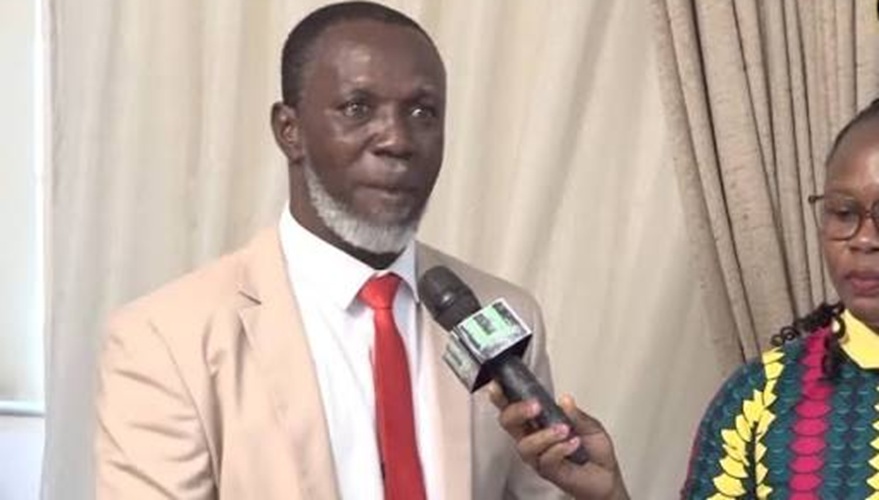
Okaikwei North Municipal Chief Executive (MCE), Christian Tetteh Badger, recently broke down how the assembly utilized GH¢8 million in Internally Generated Funds.
The major highlight of the financial breakdown was a striking GH¢1 million allocated specifically to construct a modern urinal facility for the Municipal Works Department.
For many residents across the municipality, hearing that a single urinal project cost one million cedis raised genuine eyebrows and sparked lively conversations on local radio.
Mr. Badger explained that the investment reflects the assembly’s commitment to providing proper infrastructure and decent working conditions for municipal staff handling daily sanitation duties.
According to official local government finance reports, Internally Generated Funds remain critical for metropolitan, municipal, and district assemblies to execute developmental projects without waiting entirely for central government disbursements.
Financial transparency experts always note that breaking down public budgets helps build trust between local authorities and community members who pay their local rates and levies.
While a million cedis sounds like enough money to build a small estate, municipal engineers maintain that modern public sanitation facilities require durable materials, proper plumbing, and advanced waste management systems to serve staff for decades.
As local assemblies face growing pressure to account for every pesewa collected, open disclosures like this set a practical benchmark for grassroots accountability in Ghana.
Also Read: Adu Boahen trial pauses over absence