

 By Ishmeal
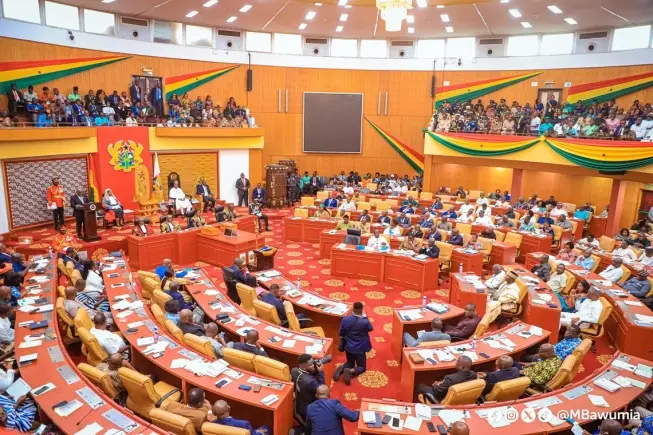
Parliament has rescinded its earlier passage of the Human Sexual Rights and Family Values Bill, popularly known as the Anti-LGBTQ+ Bill, to allow lawmakers to correct inconsistencies in the legislation.
The decision was adopted on Tuesday, November 10, 2026, after a motion moved by Majority Leader James Agalga and seconded by Majority Chief Whip Nelson-Rockson Dafeamekpor.
The move reverses Parliament’s May 29 approval of the Bill at the third-reading stage and returns it for further consideration before it can be sent to President John Dramani Mahama for assent.
Why Parliament reversed its decision
The Majority Leader explained that the Bill contains errors in the calculation and alignment of penalty units, which could create difficulties when the proposed law is implemented by the courts.
Mr Agalga had earlier indicated that some of the penalties were not properly aligned with existing legislation.
He maintained that the planned corrections were technical and were not intended to fundamentally change the substance of the Bill.
Speaker of Parliament Alban Bagbin also explained that the reversal was necessary to address inconsistencies identified during the legislative review process.
Bill to undergo second consideration
Following the rescission, Parliament will subject the Bill to a second consideration to review and reconcile the affected provisions.
Under Parliament’s procedures, lawmakers may amend, delete or add provisions before the Bill is presented for a fresh third reading.
Once the corrections are completed and Parliament passes the Bill again, it can be transmitted to the President for consideration.
Background of the Anti-LGBTQ+ Bill
The Human Sexual Rights and Family Values Bill, 2025, was reintroduced in Parliament after an earlier version passed in 2024 but did not receive presidential assent before the Eighth Parliament ended.
The current legislation has generated extensive public debate, with supporters arguing that it seeks to protect Ghanaian family and cultural values.
However, human rights organisations and other critics have raised concerns about its potential impact on fundamental rights and freedoms.
The latest parliamentary decision means the Bill must undergo further legislative consideration before its future can be determined.
Also Read:Speaker Sets 2Pm As Regular Sitting Time For Parliament