

 By Collins Sarkodieh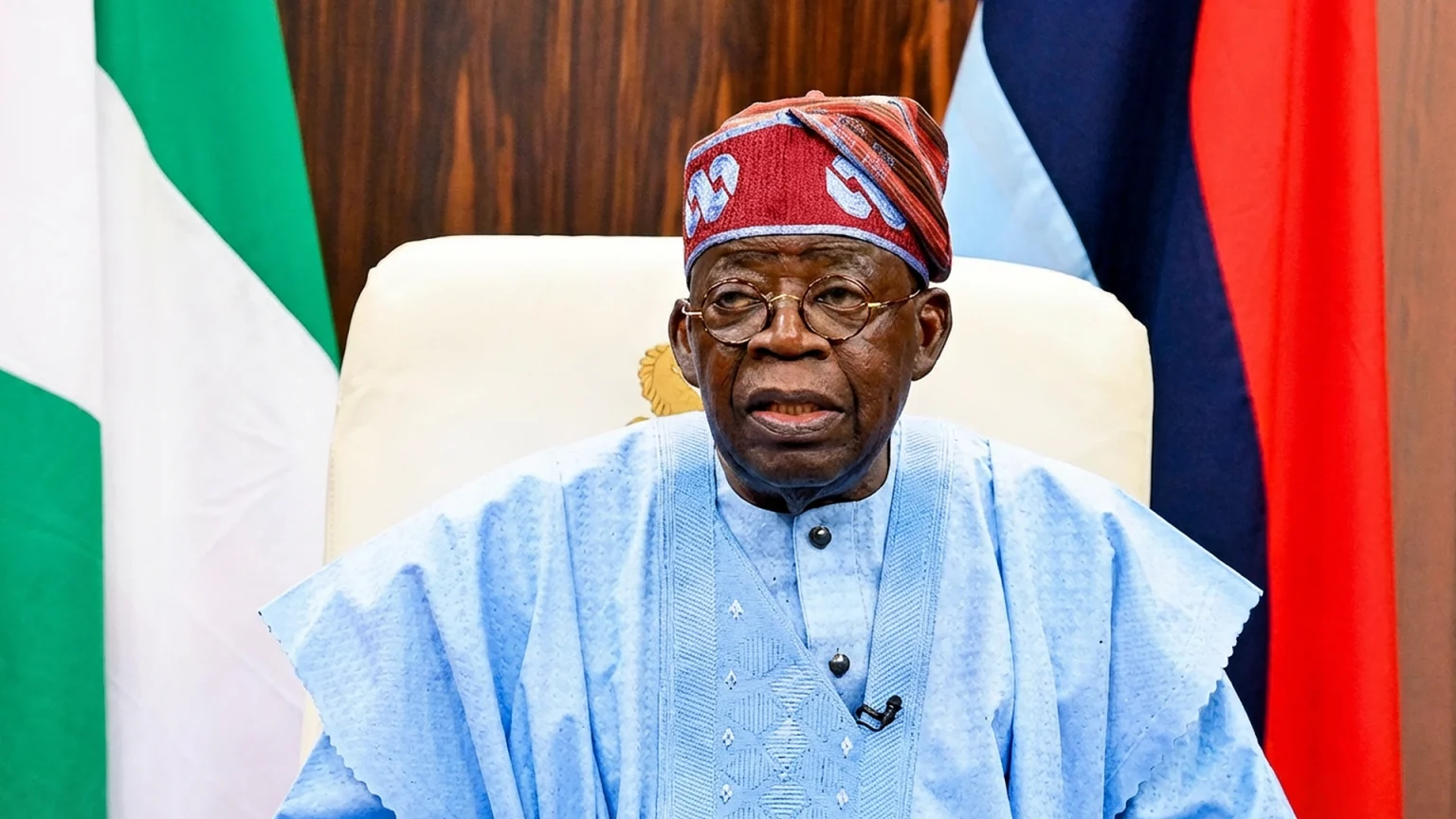
Nigerian President Bola Tinubu has declared that citizens who avoid paying taxes without a legal exemption are failing in their most basic civic duty. Speaking at the 13th Africa Chief Executive Officer (CEO) Forum in Kigali, Rwanda, he framed tax compliance not as an optional contribution but as the fundamental definition of citizenship itself. The address challenged an expectation gap where individuals demand public infrastructure while simultaneously denying the state the revenue required to build it.
The President’s statement carries massive fiscal weight as Nigeria navigates complex structural changes and heavy economic commitments. By stating that an unexempted non-taxpayer does not truly qualify as a functional citizen, Tinubu is signaling a deeper push toward aggressive domestic revenue mobilization. The timing of this message is critical, given that the country continues to rely on external borrowing to fund development projects.
Expanding the domestic tax base has become the core pillar of the current administration’s economic rescue strategy. Nigeria’s historical tax-to-GDP ratio has consistently ranked among the lowest on the African continent, leaving the national budget overly exposed to oil price volatility. By demanding compliance from both private capital and regular citizens, the government seeks to fix the social contract and reduce its dependence on volatile commodity markets.
Why did President Tinubu tie tax compliance directly to citizenship?
President Tinubu tied tax compliance to citizenship to address the widening gap between public expectations and the reality of state funding. He argued that it is logically impossible for a nation to deliver high-quality hospitals, roads, and education systems if its population actively avoids funding those services. The bold rhetoric in Kigali was designed to remind citizens that modern public infrastructure requires continuous collective investment.
This social contract argument is a direct response to widespread tax evasion among high-net-worth individuals and informal sector businesses alike. By redefining a true citizen as an active taxpayer, the administration hopes to foster a culture of accountability where people feel a personal stake in how public funds are utilized. It repositions taxation as a civic partnership rather than a state-imposed penalty.
The message was strategically delivered before an audience of over 2,000 top business leaders, investors, and African policymakers. As the administration enters the latter half of its term ahead of the 2027 presidential election, building a predictable internal revenue stream is vital to proving the success of its broader economic adjustments.
How do Nigeria’s debt commitments impact its current tax policies?
Nigeria’s massive debt commitments are forcing the government to aggressively restructure its tax policies to prevent an economic crisis. The administration expects to spend a staggering $11.6 billion on debt servicing in 2026 alone, an obligation that could consume close to half of all projected government revenue for the fiscal year. This heavy financial burden leaves little room for standard public investments without an immediate increase in internal revenue.
To keep the economy afloat, the state has relied significantly on international financial institutions to back its ongoing development projects. The administration has successfully secured more than $9.35 billion in World Bank loans since May 2023, with an additional $1.25 billion facility currently being negotiated. This level of borrowing requires a clear, domestic repayment plan that only a robust tax system can provide.
- Debt-to-Revenue Strain: Spending nearly half of state revenues on interest payments severely limits funding for healthcare and security.
- Low Tax Base: With a tax-to-GDP ratio trailing behind regional peers, the current system is unsustainable for a population exceeding 200 million.
- The Funding Shift: Maximizing internal revenue allows the country to gradually transition away from expensive Eurobonds and foreign loans.
What economic reforms did the President defend at the Kigali Forum?
President Tinubu used the Africa CEO Forum to firmly defend the complete removal of the fuel subsidy and the unification of the foreign exchange market. He argued that financing artificial consumption through subsidies actively encouraged widespread corruption and cross-border smuggling while draining national resources. The administration maintains that these painful decisions were necessary to shift national wealth from consumption to production.
While acknowledging that these sudden reforms triggered genuine economic hardship and public backlash, the President pointed to positive early indicators. A more stable and predictable Naira has finally allowed corporate entities and state ministries to engage in reliable long-term financial planning. Furthermore, the immense savings realized from the subsidy removal are being redirected toward direct welfare distribution.
The recovered funds are now being deployed into targeted social security initiatives, such as cash assistance for vulnerable households and financial support for student tuition. The goal is to prove that ending generalized subsidies allows for a more equitable redistribution of wealth directly to those who need it most.
Factual Insights into Nigeria’s 2026 Fiscal Outlook:
- Debt Servicing Target: Nigeria is projected to spend $11.6 billion on debt servicing throughout the 2026 fiscal year.
- World Bank Support: The administration has accumulated over $9.35 billion in verified World Bank facilities since mid-2023.
- Pending Credit: An additional $1.25 billion loan package is currently being negotiated with global lenders.
- Forum Scale: The 13th Africa CEO Forum in Rwanda hosted over 2,000 top-tier executives, investors, and world leaders.
- Strategic Theme: The event operated under the official title “Scale or Fail: Why Africa Must Embrace Shared Ownership.”
- Electoral Horizon: These revenue strategies are unfolding as the administration prepares for the 2027 presidential election.
A High-Stakes Drive for Fiscal Self-Reliance
The bold declarations made by President Bola Tinubu at the Kigali Convention Centre underscore a major turning point in Nigeria’s economic governance. By making tax compliance the primary metric of true citizenship, the administration is attempting to rebuild a broken fiscal foundation from the ground up.
As the country moves toward its next major political cycle, the ultimate test for these reforms will be their ability to transform tax revenue into visible public infrastructure. If the government can successfully deliver better roads and clinics using these newly mobilized funds, it will validate its tough economic choices and secure a more self-reliant future for Nigeria.
Also Read: Good news for Nigeria’s diplomacy: US, UK, France and others approve Tinubu’s ambassador nominees