

 By Collins Sarkodieh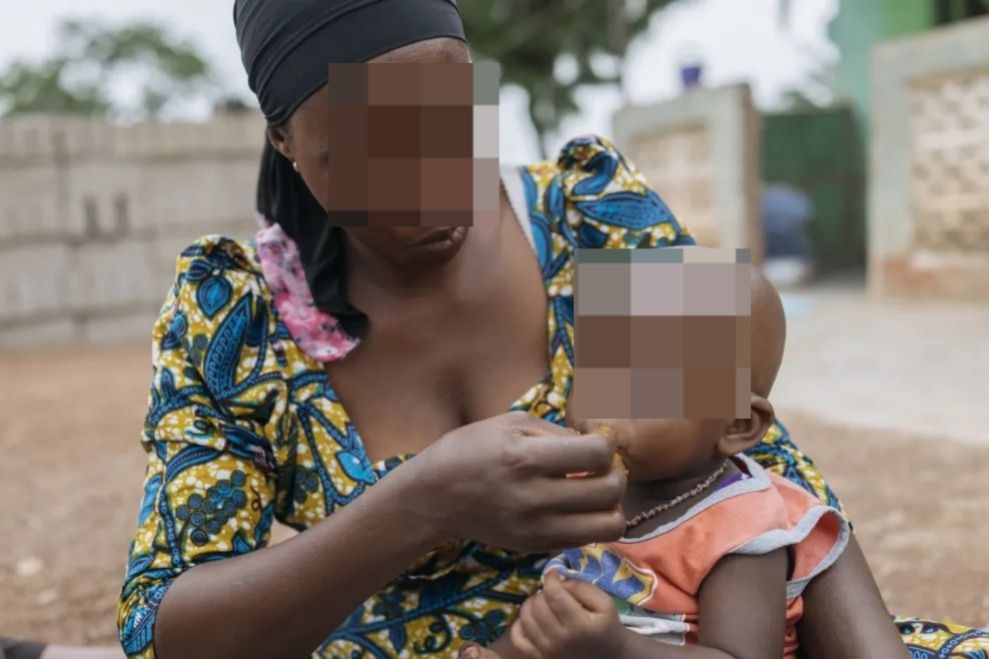
The fight against child malnutrition begins long before a newborn baby arrives. Health experts at the Greater Accra Regional Hospital emphasize that a mother’s diet during pregnancy directly dictates the physical growth and brain development of her unborn child.
Despite ongoing health interventions across Ghana, low income levels, poor feeding habits, and limited access to balanced diets continue to expose many young children to severe health risks.
When pregnant women lack balanced nutrition or suffer from health conditions like anemia and undernutrition, their babies face heightened medical risks. Expectant mothers who eat non-nutritional items or ingest edible clay like ayilo unknowingly block their bodies from absorbing critical iron nutrients.
These harmful eating habits often lead to low birth weight, growth delays, and weakened immune systems in newborn babies. First time mothers like Bernice Adu Antwi, who delivered underweight twins weighing 1.3 kilograms at birth, rely heavily on routine antenatal visits and professional medical advice to guide their children through recovery.
Deputy Director in charge of Nutrition at the Ghana Health Service, Madam Olivia Timpo, highlights the vital window from conception until a child turns two years old. Poor feeding during this critical period can cause permanent brain malformation and lower an individual’s intelligence quotient for life.
Across Ghana, approximately seventeen percent of children under five suffer from stunting caused by chronic malnutrition. Furthermore, six percent remain underweight while seven percent experience severe wasting. Failing to properly nourish children during these early months creates irreversible learning difficulties that follow them into adulthood.
The Ghana Health Service continues to expand essential community nutrition interventions, including growth monitoring, Vitamin A drops, and iron folic acid tablets for pregnant women. However, recent flooding events in several regions have heightened local food insecurity concerns.
While state health facilities maintain adequate stocks of ready to use therapeutic foods for severely malnourished infants, temporary stockouts of iron supplements for pregnant women and adolescent girls persist. Fortunately, the government is actively supporting local production initiatives to manufacture essential nutritional supplements within Ghana.
Medical workers urge all mothers to practice strict exclusive breastfeeding for the first six months of a baby’s life without introducing water or solid foods early. After six months, parents must transition to nutrient rich complementary foods while following medical guidance closely.
Combining quality antenatal care, adequate maternal nutrition, exclusive breastfeeding, and sustained family support gives every Ghanaian child the healthy start they truly deserve. Protecting expectant mothers from poor nutrition remains the most reliable way to build a healthy, intelligent future generation.
Also Read: UNICEF Report Reveals 80% of Ghana’s Children Under Five Live in Poverty and Deprivation