

 By Collins Sarkodieh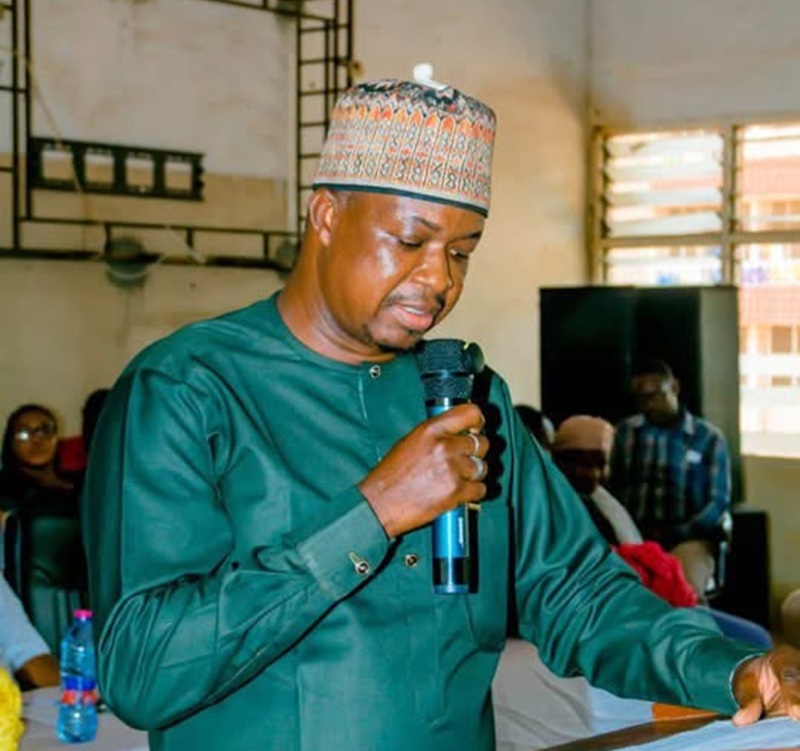
The Sagnarigu Municipal Assembly has completed the development of four modern markets equipped with ancillary facilities like clinics, police posts, and crèches. This initiative, highlighted during the maiden “Accounting to the People” forum, aims to stimulate local economic growth, provide a secure trading environment, and improve the daily livelihoods of residents in the Northern Region.
By integrating essential services into commercial hubs, the Assembly is moving beyond traditional “stalls-only” markets. The inclusion of healthcare and security infrastructure within trading spaces ensures that mothers can work while their children are in crèches, and traders can operate without fear of crime. This holistic approach to urban development reflects a modern strategy to accelerate socio-economic development in northern Ghana.
The projects were funded through various channels, including the Ghana Secondary Cities Support Programme. These markets are not just places of exchange; they are designed to be community hubs that solve multiple social challenges simultaneously. According to Municipal Chief Executive Abdulai Imoro Gong, these interventions are part of a broader commitment to transparent governance and inclusive growth.
What are the key features of the new Sagnarigu market projects?
The new markets in Sagnarigu feature 24 lockable stores, paved lorry parks, clinics, crèches, and police posts to ensure a safe and efficient trading experience. Specifically, the Jisonayili Market now boasts a two-storey commercial facility with 22 lockable stores and 72 stalls, while the Kalpohin Market has been upgraded with a 40-unit lockable store block and improved sanitation facilities.
These ancillary facilities are a game-changer for local economic development. A livestock market and a specialized loading ramp were also constructed to streamline the transportation and sale of animals, which is a major economic driver in the Northern Region. By providing paved areas and water-closet toilet facilities, the Assembly has addressed long-standing hygiene and logistics issues that previously plagued local traders.
The focus on “lockable” stores is particularly important for security, allowing traders to keep their inventory safe overnight without the constant threat of theft. With the addition of clinics and crèches, the Assembly is directly supporting women in business, who often struggle to balance childcare with market hours. This infrastructure serves as a model for participatory governance that listens to the specific needs of the working class.
How is Sagnarigu improving primary healthcare and education infrastructure?
The Assembly has successfully completed seven health infrastructure projects and eight educational buildings, alongside the distribution of 1,600 dual desks to local schools. These projects are designed to enhance the quality of teaching and learning while ensuring that primary healthcare is accessible to even the most remote communities within the municipality.
In the health sector, the new infrastructure reduces the distance residents must travel for basic medical attention, which is critical for maternal and child health. In education, the provision of 1,600 dual desks addresses a significant deficit that previously forced some students to learn in uncomfortable conditions. Improving the physical environment of schools is a proven way to increase student retention and academic performance.
The Assembly’s work also extends to the most vulnerable. Support has been provided to 163 Persons with Disabilities (PWDs) to help them with business development, healthcare, and education. This ensures that the economic boom sparked by the new markets is inclusive, leaving no resident behind as the municipality grows.
What steps have been taken to solve water and sanitation challenges?
To improve water access, the Sagnarigu Municipal Assembly drilled 10 new boreholes for mechanization and laid approximately 2,000 meters of pipelines to expand pipe-borne water supply. Sanitation has also seen a boost with the introduction of the “pay-as-you-dump” waste management system and the evacuation of refuse from 11 major sites across the municipality.
Water scarcity has historically been a bottleneck for both domestic life and commercial activities in the Northern Region. By mechanizing boreholes and expanding the pipeline network, the Assembly is providing a more reliable water source that can support the new market facilities and residential areas. The upgraded water system is essential for the clinics and washrooms built into the new market structures.
On the sanitation front, the “pay-as-you-dump” system encourages responsible waste disposal and provides a sustainable funding model for regular trash collection. Additionally, the construction of two kilometers of storm drains and the dredging of existing channels are vital steps to mitigate the seasonal flooding that often destroys property and disrupts trade in the municipality.
Factual Insights into Sagnarigu’s Development:
- Market Scale: Four modern markets have been fully developed with specialized livestock loading ramps.
- Road Infrastructure: 51 kilometers of roads are currently under construction, with 11 kilometers already bituminized.
- Youth Empowerment: 751 youth beneficiaries received start-up kits following their graduation from skills development programs.
- Water Access: 2,000 meters of new pipelines have been laid to improve the municipal pipe-borne water network.
- School Support: Exactly 1,600 dual desks were supplied to schools to improve student learning conditions.
- Inclusion: 163 Persons with Disabilities received direct financial and developmental support.
- Flooding Mitigation: Two kilometers of storm drains were constructed to protect the local economy from flood damage.
How is the Assembly supporting youth entrepreneurship and skills?
The Sagnarigu Municipal Assembly facilitated the graduation of 751 youth from various vocational programs and provided them with start-up kits to launch their own businesses. This focus on entrepreneurship aims to reduce youth unemployment and ensure that the municipality has a skilled workforce to maintain the newly built infrastructure.
Start-up kits are essential because many skilled youths lack the initial capital to purchase the tools of their trade, such as sewing machines, hair dryers, or masonry tools. By removing this barrier, the Assembly is turning “trained graduates” into “active entrepreneurs.” These individuals are expected to occupy the new lockable stores and stalls, creating a self-sustaining cycle of economic activity.
Northern Regional Minister Ali Adolf John praised this move, noting that providing tools alongside training is the most effective way to foster inclusive development. This strategy ensures that the “Accounting to the People” forum is not just about showing buildings, but about demonstrating how the people themselves are being empowered to build their own futures.
A Blueprint for Municipal Accountability
The “Accounting to the People” forum in Sagnarigu has set a high standard for transparency and local governance in the Northern Region. From building modern markets with police posts to bituminizing 11 kilometers of road, the Assembly is proving that decentralized governance can yield tangible results. These projects don’t just “boost the local economy” they provide the safety, health, and education needed for that economy to thrive long-term.
The success of the Sagnarigu Municipal Assembly lies in its ability to address multiple sectors simultaneously. By linking trade, health, water, and security, they have created a resilient urban environment. As 51 kilometers of road continue to be built and 751 new entrepreneurs enter the market, Sagnarigu is well on its way to becoming a premier commercial hub in northern Ghana.
Also Read: The Agbogbloshie Sanitation Crisis: Why One of Accra’s Largest Markets is Choking