

 By Collins Sarkodieh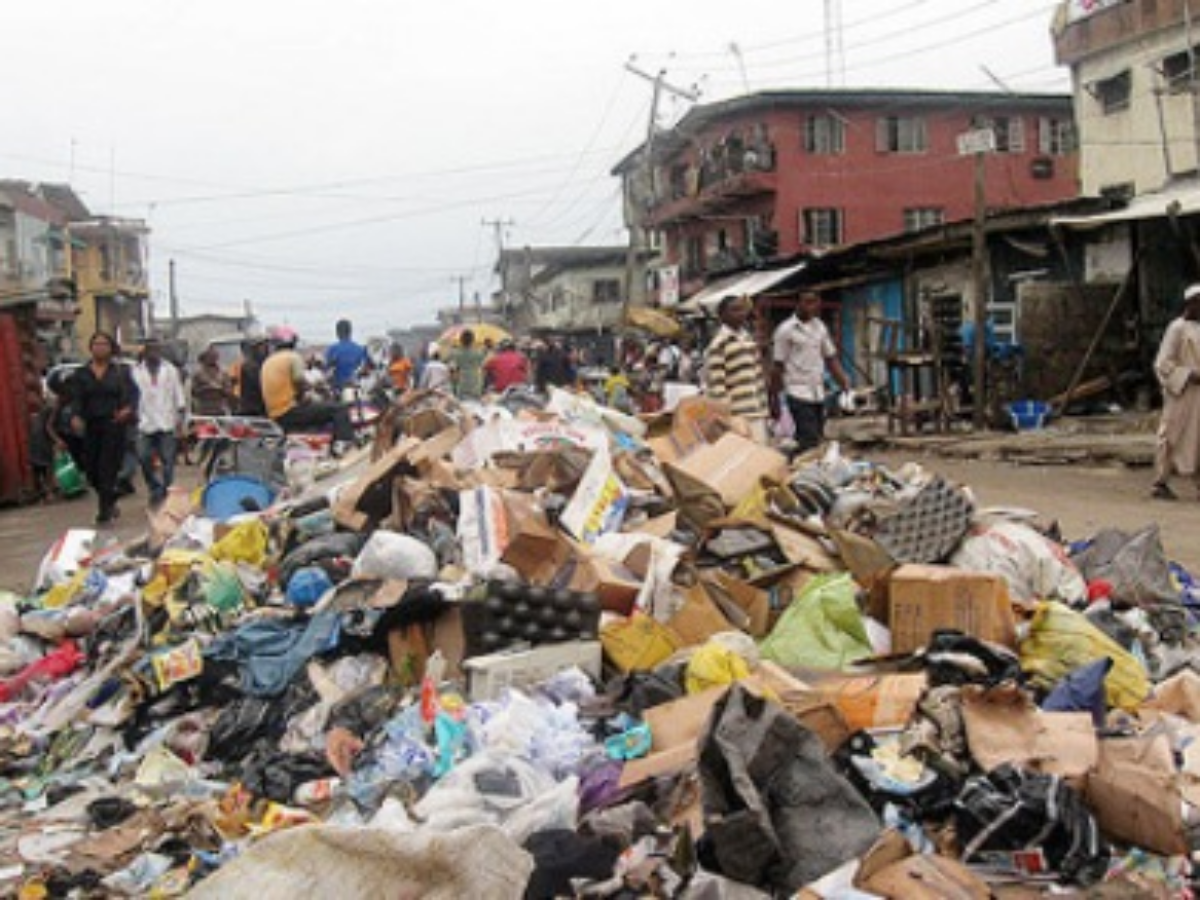
Traders at the Agbogbloshie Market are sounding a desperate alarm over a deteriorating sanitation crisis that threatens to collapse one of Accra’s most vital economic hubs. The convergence of a polluted lagoon, chronically choked gutters, and thick clouds of dust has transformed the marketplace into a hazardous environment where health risks are high and profit margins are shrinking.
This is not merely a matter of untidiness; it is a structural failure of urban waste management. The buildup of refuse in the nearby lagoon and drainage systems means that even minor rainfall causes gutters to overflow, spilling contaminated water directly into stalls and pedestrian walkways. For the thousands who earn their living here, the market has become a place where they must choose between their daily bread and their physical well-being.
The crisis at Agbogbloshie is a complex intersection of environmental pollution and economic decline. As the stench from stagnant water becomes unbearable and dust settles on fresh produce and clothing, customers are opting for cleaner, more modern alternatives. Without immediate intervention from the Accra Metropolitan Assembly (AMA), the heartbeat of this trading center risks flatlining.
What are the primary environmental hazards at Agbogbloshie?
The Agbogbloshie Market is currently battling a “triple threat” of environmental hazards: severe air pollution from e-waste burning, water contamination from blocked drains, and excessive dust levels. These factors combine to create a toxic microclimate that irritates the respiratory systems and eyes of everyone in the vicinity.
Musa Sulemana, a local mobile money vendor, describes a daily routine of breathing in thick smoke from burning wires and struggling with eyes that burn by the end of the shift. This smoke, often containing heavy metals from electronic waste, is a known carcinogen. When paired with the “unbearable smell” rising from gutters baked in the afternoon sun, the environment becomes physically exhausting for those stationed there for 12 hours a day.
Beyond the air, the water systems are failing. The drainage infrastructure is no longer capable of channeling water away because it is filled with silt and plastic waste. This creates stagnant pools that serve as breeding grounds for mosquitoes and bacteria, increasing the risk of malaria and cholera outbreaks within the heart of the capital.
How is poor sanitation affecting the market’s economy?
Poor sanitation is directly causing a decline in business activity as the unhygienic conditions drive away customers and damage the quality of goods on sale. Second-hand clothing traders and food vendors report that the pervasive smell and dust make customers rush their purchases or avoid certain sections of the market entirely.
Bernice Oduro, who sells second-hand clothing, notes that the stench is her biggest competitor. If a customer cannot stand to be near a stall for more than a minute, they are unlikely to browse or negotiate. Furthermore, the dust requires traders to constantly clean their stock; for those selling uncovered food or fabric, the dust lowers the perceived value of the product, leading to lower sales and wasted inventory.
The economic impact extends to the traders’ personal finances. Many report spending a portion of their daily earnings on medication for respiratory issues and eye infections caused by the environment. This “health tax” on their income makes it even harder for small-scale entrepreneurs to grow their businesses or save for the future.
What actions are the traders demanding from the authorities?
The traders are calling for a comprehensive and sustained intervention from the Accra Metropolitan Assembly (AMA) and other relevant authorities to desilt the drainage systems and improve waste collection. They are advocating for a shift from occasional clean-ups to a permanent sanitation framework that includes regular monitoring and enforcement.
Specifically, the traders are asking for:
- Drainage Desilting: Immediate removal of the solid waste and silt blocking the main gutters to prevent flooding during the rainy season.
- Lagoon Restoration: Measures to stop the dumping of waste into the nearby water bodies which act as the final collection point for the area’s runoff.
- Waste Management Infrastructure: More frequent trash collection and the provision of adequate bins to discourage littering within the market.
- Paving and Dust Control: Long-term plans to pave popular walkways to reduce the amount of loose soil that turns into dust during the dry season.
The belief among the traders is that a clean market is a profitable market. By restoring the basic hygiene of Agbogbloshie, the authorities can restore consumer confidence, which will ultimately lead to higher tax revenues and a more vibrant local economy.
Factual Insights into Accra’s Urban Sanitation Challenges:
- Waste Generation: Accra generates approximately 3,000 tonnes of solid waste daily, a significant portion of which ends up in open drains and lagoons if not properly managed.
- Economic Hub: Agbogbloshie is one of the largest food and electronic waste processing hubs in West Africa, supporting tens of thousands of livelihoods.
- Health Correlation: Respiratory infections and waterborne diseases remain top reasons for OPD visits in urban Accra, often linked to poor drainage and air quality.
- Drainage Limits: Most of Accra’s drainage systems were designed decades ago and are currently overwhelmed by the city’s rapid population growth and plastic waste.
- Legal Mandate: The Local Governance Act (Act 936) mandates Metropolitan Assemblies to be responsible for the development, improvement, and management of human settlements and the environment.
The crisis at Agbogbloshie Market is a stark reminder that trade cannot flourish in filth. The traders are not asking for a miracle; they are asking for the basic infrastructure and sanitation services that their taxes are meant to provide. Moving forward, the survival of this market depends on a partnership between the traders, who must maintain individual stall hygiene, and the government, which must fix the broken drainage system.
Restoring Agbogbloshie is not just about cleaning a market; it is about protecting the dignity of the Ghanaian worker and the health of the Ghanaian consumer. As the rainy season approaches, the window for action is closing. The time to desilt the gutters and clear the air is now.
Also Read: Nungua Fills Sacred Pots in 2nd ‘Dud) Mli Nu Woo Kusum’ Ahead of Homowo 2026