

 By Collins Sarkodieh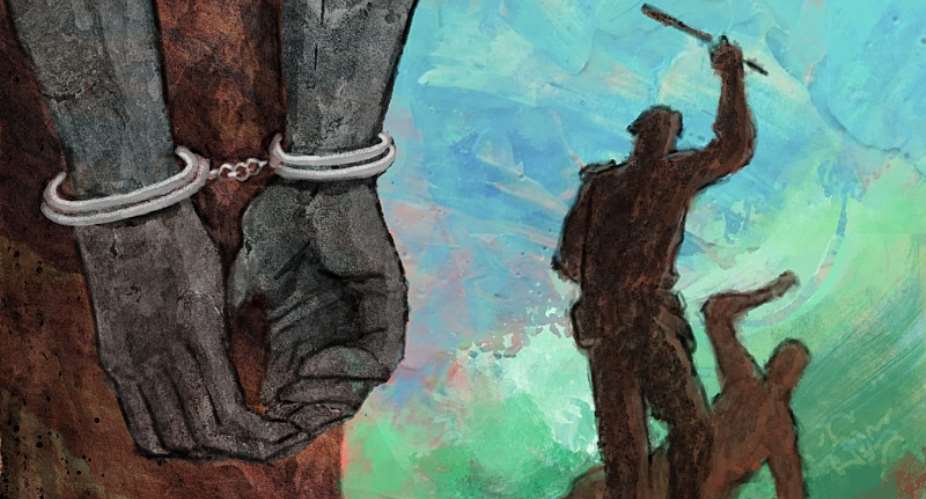
The political climate in Southeast Africa remains deeply volatile as state-backed intimidation tactics reportedly target democratic opposition structures. In the quiet, flood-prone neighborhood of Intaca on the outskirts of Maputo, activist Amilcar Francisco is currently recovering from a brutal assault.
The political organizer was forcefully abducted by six masked men in broad daylight, hooded, and driven to a remote wasteland where attackers systematically broke his feet with heavy iron bars.
This violent encounter is far from an isolated incident within the current Mozambican landscape. Francisco is an active member of Anamola, the National Alliance for a Free and Autonomous Mozambique, a prominent opposition party heavily challenging the status quo. His attackers explicitly outlined the names and specific administrative roles of local party coordinators, delivering a chilling message that political dissent carries a severe physical price.
The wave of targeted persecution has notably intensified as Anamola prepares for its inaugural national congress scheduled in Nampula. Just weeks prior to the upcoming convention, regional party coordinator Anselmo Vicente was shot dead directly outside his home in Chimoio. Only six days later, fellow party activist Pedro Chauke was assassinated at his residence in Gaza province by what eyewitnesses described as ruthless, professional gunmen.
The ruling Frelimo party, which has governed Mozambique continuously since securing independence from Portugal in 1975, downplays the rising body count. Parliamentary spokespersons have categorized the high-profile assassinations as isolated criminal acts rather than a coordinated state campaign. However, former presidential candidate Venancio Mondlane has filed formal legal complaints against the national police forces, accusing state security apparatuses of executing illegal extrajudicial violence.
Legal files reveal that at least 55 opposition supporters have been killed and over 400 violently assaulted since Anamola was established. In tandem with physical violence, the state is heavily utilizing strict anti-terrorism legislation to arbitrarily detain peaceful political dissidents. Activists and protest poets report being held in blood-stained cells for up to nine months without trial or access to legal counsel before cases are ultimately dropped due to zero evidence.
Independent human rights data from the Economist Intelligence Unit currently places Mozambique firmly within the autocracy category, scoring a meager 3.5 out of 10 on the global democracy index. Despite facing extreme threats of abduction and institutional torture, opposition members refuse to pull back from their democratic campaigns. These brave activists continue to wear their bright yellow party shirts publicly, demanding a transparent, multi-party democracy for the future of their nation.
This article has been adapted from the original version in French by Gaëlle Laleix, reporting from Cabo Delgado.
It is the fourth instalment of Mozambique Exposed, an investigation coordinated by Forbidden Stories, a global non-profit network of investigative journalists. The project is based on nearly 100 interviews and five months of reporting by 30 journalists from 10 media organisations, including RFI and Les Observateurs de France 24 (France), Evident Media (United States), Expresso (Portugal), M28 Investigates (Rwanda), Paper Trail Media (Germany), SourceMaterial (United Kingdom), ZDF (Germany) and Zitamar News (Mozambique).
Also Read: Rising Tensions: Protests Erupt Over Security and Economic Challenges