

 By Aaron Hammond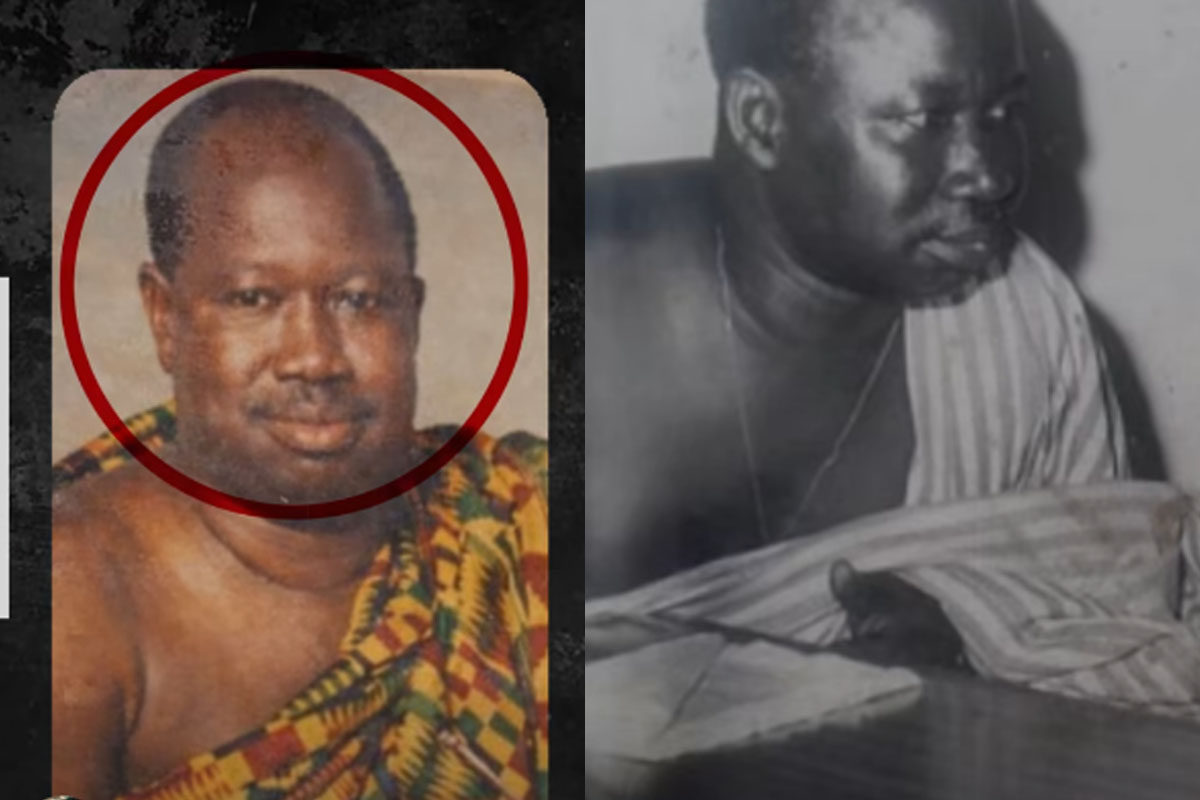
Ever heard of a person who built an absolute empire, only to watch the government snatch it all away? Meet J.K. Siaw, a legendary Ghanaian entrepreneur who created the Tata Brewery and dominated the beverage industry before political chaos ruined his life.
History often forgets the visionaries who built massive businesses from scratch. IMO, ignoring these incredible stories robs us of valuable lessons about business and resilience. Let us examine how this titan rose to unimaginable heights and lost everything overnight.
The Rise of an Industrial Giant
Building the Tata Brewery Empire
J.K. Siaw did not wait for handouts. He spotted a massive gap in the local market and launched the Tata Brewery Limited in the 1970s.
-
He produced popular beverages that quenched the thirst of the entire nation.
-
He employed thousands of local workers and provided stable livelihoods.
-
He proved that local industrialists could compete with multinational giants.
Building a manufacturing powerhouse required immense grit. Bureaucrats loved creating obstacles, yet Siaw smashed through every single roadblock they placed in his path.
Wealth and Philanthropy
Success brought staggering wealth and influence. Siaw used his fortune to fund philanthropic projects and support community development.
-
He funded educational initiatives for brilliant but needy students.
-
He invested heavily in local infrastructure projects.
-
He set the gold standard for corporate social responsibility in Ghana.
Did the government appreciate his massive contributions to the economy? Absolutely not, because envy often masks itself as patriotism.
The Brutal Fall from Grace
The 1979 Coup and Confiscation
Political instability destroyed decades of hard work in a matter of months. The turbulent political climate of 1979 brought brutal changes that targeted successful capitalists.
-
The ruling military regime confiscated all his hard-earned assets.
-
Soldiers seized his factories, his properties, and his bank accounts.
-
The state branded successful industrialists as enemies of the revolution.
Imagine pouring your entire soul into a business, only for men with guns to lock you out of your own office. That nightmare became Siaw’s harsh reality.
Exile and Final Days
Stripped of his wealth, the once-mighty tycoon fled his homeland to survive. He spent his final years living in exile, far away from the empire he constructed.
-
He watched his magnificent business operations mismanaged by political appointees.
-
He endured the bitter pain of betrayal by the very system he tried to uplift.
-
He passed away in exile in October 1986, carrying a broken heart
Could anyone survive such a devastating loss of dignity and fortune? The stress undoubtedly crushed his spirit.
Lessons from a Tragically Shortened Legacy
Why History Matters Today
Reflecting on Siaw’s tragic journey teaches us sobering truths about political risk and business. Governments possess terrifying power over private property.
-
Political protection remains just as important as a solid business plan.
-
Tyrants always punish wealth creation when they weaponize populist rhetoric.
-
Resilience defines true entrepreneurs, even when the deck stacks completely against them.
Do we appreciate the freedoms and protections we enjoy today? FYI, stable governance protects our daily hustle more than we realize.
Conclusion
J.K. Siaw started with a dream and built an industrial empire that shook West Africa. State-sponsored theft ultimately crushed his life’s work, proving that political winds blow harder than corporate profits. Let us remember his pioneering spirit next time we enjoy a cold drink on a sunny afternoon.
Also Read: Classic Ghanaian Cinema History and the Film Mr Mensah Builds a House