

 By Ishmeal
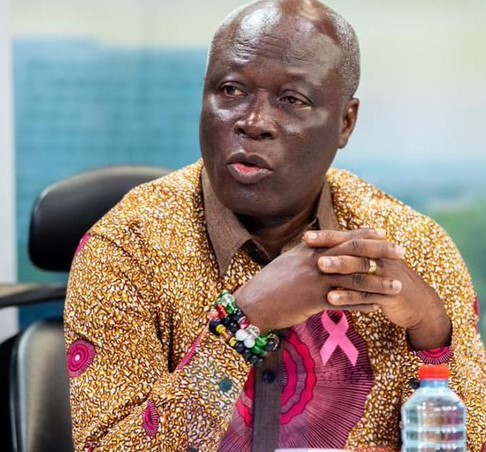
Former Sports Minister Nii Lantey Vanderpuye has called for a major rethink of Ghana’s football development strategy, urging the country to focus on rebuilding the Black Stars over eight years rather than prioritising immediate tournament targets.
Vanderpuye believes Ghana must be prepared to look beyond the 2027 Africa Cup of Nations (AFCON) and the 2030 FIFA World Cup if the country wants to build a more competitive and consistent national team.
His comments have reopened the debate about whether Ghana’s football authorities should prioritise short-term results or commit to a long-term plan that addresses the problems affecting the Black Stars.
Vanderpuye Calls for an Eight-Year Rebuilding Plan
Vanderpuye believes Ghana needs a clear and consistent football development plan that allows players to grow together and gives the national team a recognisable style of play.
He has raised concerns about the number of players used during the Black Stars’ World Cup qualifying campaign, arguing that frequent changes make it difficult to build a settled team.
According to his position, rebuilding the national team requires more than changing coaches or introducing new players. Ghana must establish a long-term vision, improve player development and maintain consistency in team selection.
He has also questioned the appointment of an older coach for a project that is expected to take several years, raising questions about whether the technical direction matches the proposed rebuilding timeline.
The broader message behind his call is that Ghana may need to accept short-term disappointment to create a stronger foundation for future international competitions.
Why the Black Stars Need Consistency
The Black Stars have long been a major source of national pride, but expectations from supporters remain high whenever the team competes in international tournaments.
Building a competitive national side requires more than assembling talented players before a major competition. Players need time to understand one another, adapt to the coach’s tactical system and develop the confidence required to perform under pressure.
Frequent changes to the squad and technical direction can make that process more difficult.
A sustained rebuilding programme could therefore focus on identifying suitable players, developing younger talents, improving competition for places and establishing a clear playing philosophy.
However, an eight-year plan would also require measurable targets and regular assessments to ensure that progress is being made along the way.
Vanderpuye Warns Kotoko and Hearts Could Go Five More Years Without a GPL Title
Vanderpuye has also warned that Asante Kotoko and Hearts of Oak could spend another five years without winning the Ghana Premier League if problems affecting domestic football are not addressed.
The two clubs are among Ghana’s most recognised football institutions, with large supporter bases and a long history of rivalry.
His warning suggests that their challenges should not be viewed only through match results or player performances. Wider concerns about the organisation and credibility of the domestic game also need attention.
One issue he has highlighted is the intimidation of referees at some league venues. Match officials need to be able to make decisions without threats, pressure or interference from supporters and other individuals.
Vanderpuye has expressed concern about the security challenges referees may face, particularly at smaller venues where the conditions for protecting match officials may differ from those at major stadiums.
Protecting referees and ensuring that matches are conducted fairly are important to maintaining confidence in the Ghana Premier League.
Ghana Football Needs Reform at Every Level
Vanderpuye’s comments highlight the relationship between the national team and the domestic football system.
A stronger Black Stars depends partly on a football environment that develops talented players, provides competitive opportunities and supports effective coaching.
At the same time, Ghana’s local clubs need conditions that allow them to operate sustainably, develop young players and compete in a league that supporters trust.
Football authorities, clubs and other stakeholders would need to work together on player development, coaching standards, officiating, stadium security and long-term planning.
Any rebuilding strategy would also need clear goals, regular reviews and accountability. Without these measures, a long-term plan could struggle to deliver the progress supporters expect.
Can Ghana Commit to Long-Term Football Development?
Vanderpuye’s proposal challenges Ghana to reconsider how it measures success in football. Instead of focusing exclusively on qualification for the next major tournament, he wants greater attention given to building a team capable of competing consistently over time.
His warning about Kotoko and Hearts of Oak also raises questions about the wider conditions needed for Ghanaian football to progress.
Whether the proposed eight-year approach becomes part of Ghana’s football strategy will depend on the decisions of the relevant authorities. For now, his comments have added to the discussion about the reforms needed to strengthen both the Black Stars and the domestic game.
Also Read:Julius kwame anthony criticises bawumias vp record