

 By Ishmeal
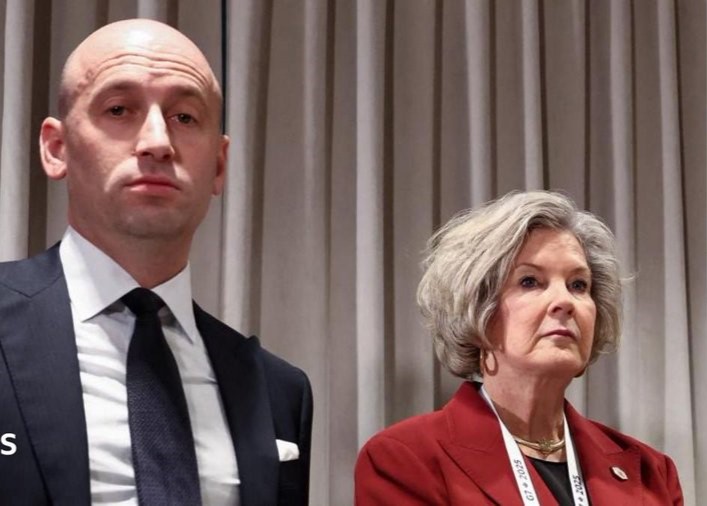
US President Donald Trump has appointed longtime adviser Stephen Miller as his new White House Chief of Staff, replacing Susie Wiles following the Republican Party’s heavy losses in the November 2026 midterm elections.
Miller officially assumed the position on Monday, November 9, after Trump announced the appointment on Friday, November 6.
The 41-year-old previously served as Deputy Chief of Staff and was one of Trump’s closest advisers. He has played a major role in shaping the administration’s immigration policies and broader domestic agenda.
Announcing the appointment, Trump described Miller as one of his most trusted advisers and praised his loyalty and commitment to the administration.
Miller’s Role in Trump’s Immigration Policies
Miller is widely recognised as one of the key architects of Trump’s hard-line immigration agenda.
He has been closely involved in the administration’s efforts to increase deportations, strengthen border enforcement and expand immigration restrictions.
He has also influenced policies involving federal government operations, universities and diversity programmes.
His appointment is expected to give him an even greater role in directing the White House’s daily operations and coordinating the President’s policy priorities.
Susie Wiles Leaves White House Position
Miller replaces Susie Wiles, who became the first woman to serve as White House Chief of Staff when she took up the position in January 2025.
Wiles submitted her resignation on Thursday, November 5, and is expected to move to Trump’s political operation.
Trump praised her service, describing her performance as outstanding.
Her departure marks a major change in the administration’s leadership following the Republican Party’s poor performance in the midterm elections.
Appointment Comes After Republican Election Losses
The leadership change comes after Democrats secured control of both chambers of Congress in the midterm elections, creating a difficult political environment for Trump’s administration.
The new Democratic majority is expected to increase congressional scrutiny of the President’s policies, particularly immigration enforcement and other controversial government actions.
Some Democratic leaders have criticised Miller’s appointment, arguing that his promotion signals Trump’s intention to maintain his existing policy direction rather than change course after the election setback.
The appointment could also make cooperation between the White House and the incoming Democratic-controlled Congress more difficult.
With Miller now leading the White House staff, attention will turn to how the administration manages its relationship with Congress and advances its remaining policy priorities.
Also Read:Uk Civil Servant Guilty Of Fraud Over Five Government Jobs