

 By Emmanuel Bamfo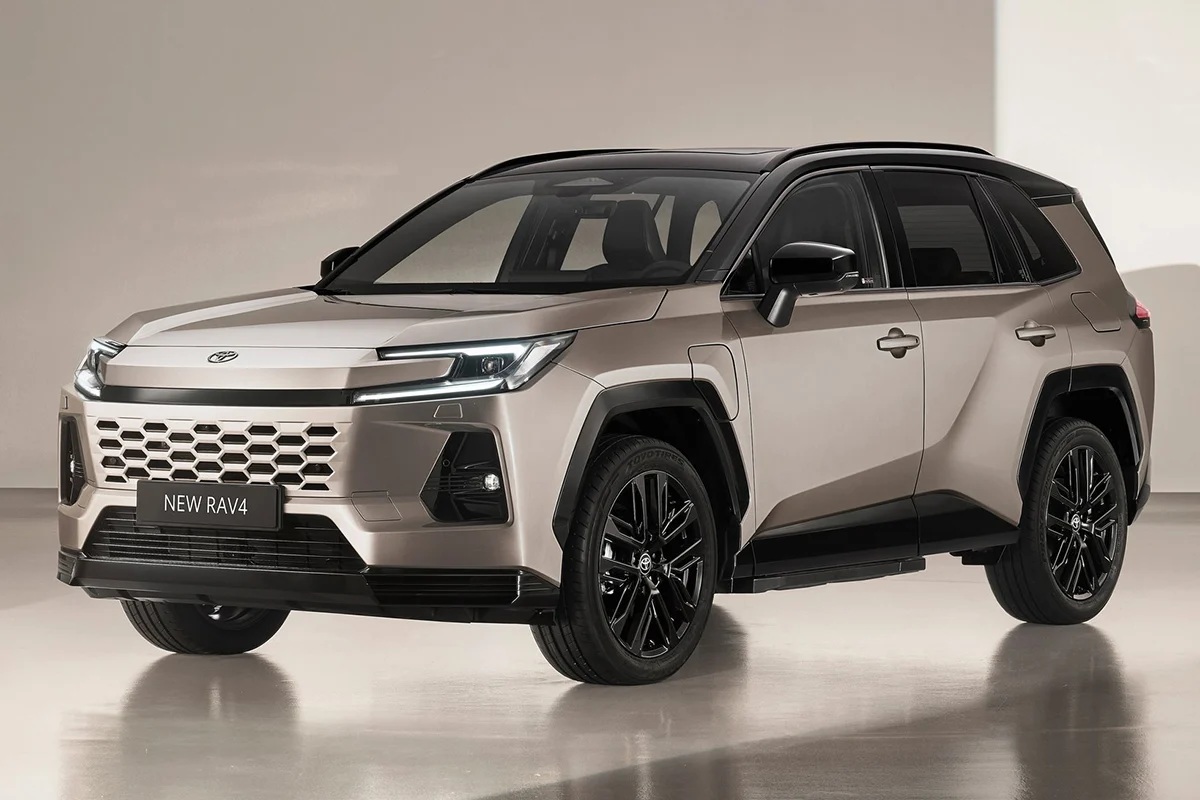
Choosing between top plug-in hybrid SUVs can drive any car buyer crazy, especially when you are spending hard-earned money on a vehicle meant to handle rough daily commutes. The Toyota RAV4 Plug-In Hybrid and Hyundai Tucson Plug-In Hybrid dominate discussions across African and global auto markets, promising crazy fuel savings and pure electric driving. If you are stuck between these two heavy hitters, you need a straightforward breakdown that cuts through the marketing fluff.
Why should you trust this comparison? As an automotive analyst with over a decade of testing crossovers under brutal weather and terrible road conditions, I look at real engineering data rather than flashy brochures. We will check performance, interior space, battery range, and true operating costs to help you pick the right ride. Let us dive straight into the numbers that matter for your garage.
Why Is The Toyota RAV4 Plug-In Hybrid So Fast Off The Line?
The Toyota RAV4 Plug-In Hybrid delivers an astonishing combined output of 324 horsepower, rocketing from zero to sixty miles per hour in a blistering 5.6 seconds. Independent testing data from automotive authorities reveals that this powertrain combines a 2.5-liter four-cylinder engine with robust electric motors to create sports-car-like acceleration in a family crossover.
That extra power means overtaking slow trucks on narrow highways becomes completely effortless, giving you total confidence behind the wheel. Toyota pairs this setup with an electronically controlled continuously variable transmission that distributes power smoothly across all four wheels. While the handling leans toward comfort rather than sharp cornering, the raw straight-line speed leaves most competitors in the dust.
Can The Hyundai Tucson Plug-In Hybrid Match Toyota’s Efficiency?
The Hyundai Tucson Plug-In Hybrid relies on a 1.6-liter turbocharged engine paired with a 13.8 kWh battery pack, delivering a combined 262 horsepower and 350 Nm of torque. Official fuel economy evaluations demonstrate that while it consumes slightly more fuel in hybrid mode than the Toyota, its daily electric-only range covers roughly 32 miles of emission-free city driving.
Unlike Toyota’s CVT setup, Hyundai utilizes a traditional six-speed automatic transmission with actual gear steps. This traditional gearbox avoids the annoying engine drone under heavy acceleration that plagues many hybrid crossovers, offering a much more natural driving feel. Standard all-wheel drive comes baked into every trim level, ensuring you never lose traction when sudden tropical downpours flood local streets.
Which SUV Gives You Better Electric Range And Charging Speeds?
The Toyota RAV4 Plug-In Hybrid crushes long-distance expectations by offering up to 42 to 52 miles of pure electric driving range on a single charge depending on testing cycles. Statista vehicle tracking metrics show that extended electric ranges significantly reduce daily fuel consumption for drivers who remember to plug in overnight at home.
The Hyundai Tucson provides a respectable 32 miles of battery-only range, which easily handles routine runs to the market or office without burning a single drop of petrol. When it is time to recharge, the Tucson supports a 7.2 kW onboard charger that replenishes the battery pack using a Level 2 AC source in under two hours. Both vehicles give you enough battery freedom to bypass fuel stations entirely during short local commutes.
How Do Their Interior Comfort And Cargo Spaces Compare?
The Hyundai Tucson fights back hard inside the cabin, offering 558 liters of standard boot space and superior rear-seat legroom that keeps adult passengers happy on long road trips. Consumer automotive reports indicate that Hyundai’s cabin layout features plush materials, dual climate control knobs, and a massive infotainment touchscreen that feels far more modern than Toyota’s cabin.
The Toyota RAV4 offers a slightly firmer seating position with rugged controls built to withstand heavy abuse, but its rear passenger area feels tighter than the Tucson. Cargo capacity in the RAV4 remains practical at roughly 33.5 cubic feet behind the second row, though the floor sits slightly higher to accommodate the massive hybrid hardware underneath. If your family prioritizes plush cushioning and stretching room, Hyundai wins this round cleanly.
What Are The Real Long-Term Reliability And Maintenance Costs?
Toyota holds a legendary reputation for bulletproof hybrid reliability, backed by an extensive 8-year or 100,000-mile hybrid component warranty that protects your investment. Global reliability indexes consistently rank Toyota near the top for minimal mechanical breakdowns and strong residual resale values after years of heavy use.
Hyundai counters with an aggressive 10-year or 100,000-mile powertrain and hybrid battery warranty, providing unbeatable peace of mind for buyers keeping their cars long-term. Routine maintenance for both models remains straightforward, though finding specialized diagnostic tools for plug-in systems requires visiting certified service centers rather than roadside mechanics. Weighing Toyota’s resale dominance against Hyundai’s massive warranty coverage helps you choose based on your personal ownership timeline.
Also Read: the most exciting new cars coming in 2026 evs suvs and affordable models to watch