

 By Aaron Hammond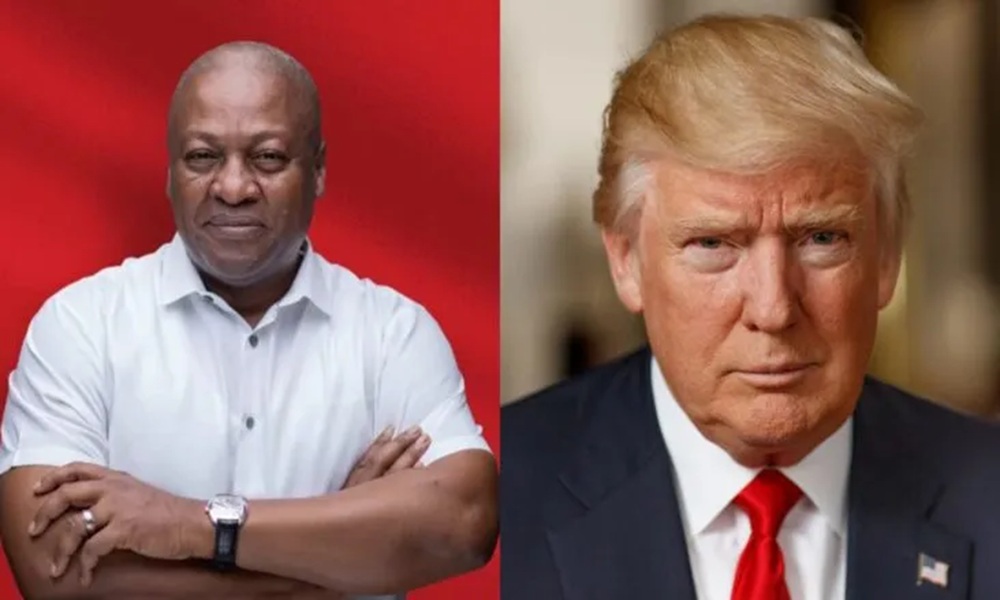
The United States and Ghana are preparing to revisit a health funding agreement that Ghana rejected earlier this year. President John Dramani Mahama says Washington has requested further discussions, with some disputed conditions open to amendment or removal.
The proposed five year health compact, valued at $109 million in US funding, could support Ghana’s health sector. However, the government wants changes before it considers signing the agreement.
President Mahama disclosed the latest development during a citizens’ engagement in Goaso, Ahafo Region, on October 10, 2026. He explained that Ghana was willing to discuss the agreement, provided both sides addressed the concerns raised by the government. One major issue involves sharing Ghana’s national pathogen profile and citizens’ private medical records with the United States. Pathogen information helps experts understand disease causing organisms and monitor possible outbreaks. However, Ghana wants stronger assurances about how sensitive health information would be handled.
Health Data, FDA Powers and Funding Remain Key Issues
Ghana’s concerns go beyond data privacy. Mahama previously explained that the proposed compact also raised questions about Ghana’s financial contribution and the authority of the Food and Drugs Authority (FDA) to inspect medical products brought into the country under the programme. These issues contributed to Cabinet’s decision to reject the agreement in April 2026. For Ghana, the question is not simply whether American funding could help improve healthcare. The government also wants to ensure that any partnership respects national laws, protects citizens’ information and preserves Ghana’s authority over medicines and public health decisions.
The renewed discussions could give both countries an opportunity to find common ground. The proposed agreement was intended to support health programmes while requiring Ghana to take greater responsibility for financing its own health priorities. Any revised compact will need to address the concerns that led to its rejection before Ghana can make a fresh decision. For ordinary Ghanaians, the outcome matters because public health funding can support disease prevention and healthcare services, while strong privacy protections help maintain trust in the health system. As negotiations continue, the key question is whether Washington and Accra can agree on terms that support healthcare without compromising Ghana’s interests.
Also Read: Ghana Makes Progress but Maternal Deaths Remain High