

 By Ghana News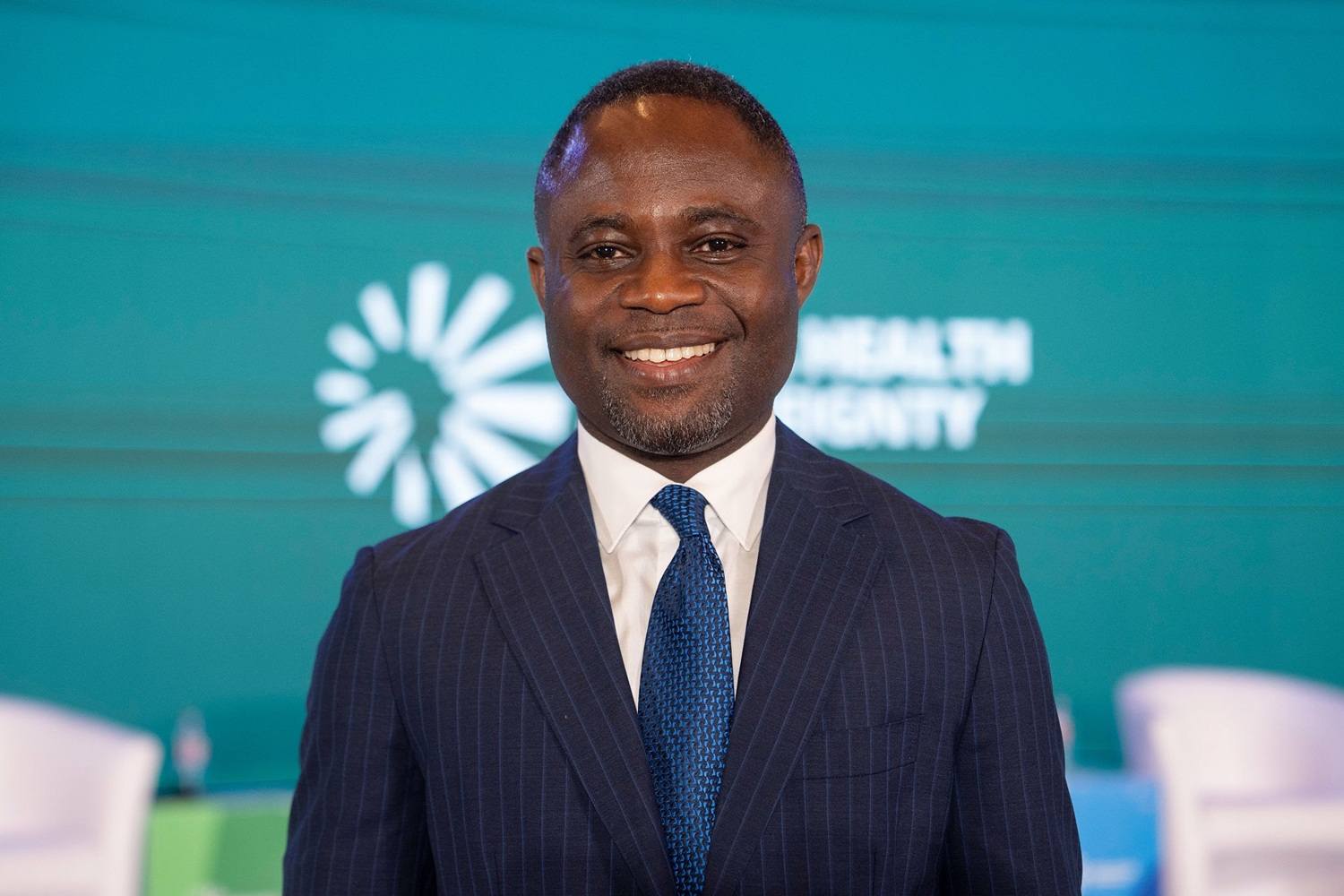
African leaders must take full control of funding their public healthcare systems to achieve true health sovereignty and universal coverage. Speaking on behalf of President John Dramani Mahama at the African Union Ministerial Meeting on Health in Accra on July 21, 2026, Health Minister Kwabena Mintah Akandoh urged member states to drastically reduce their reliance on foreign donors.
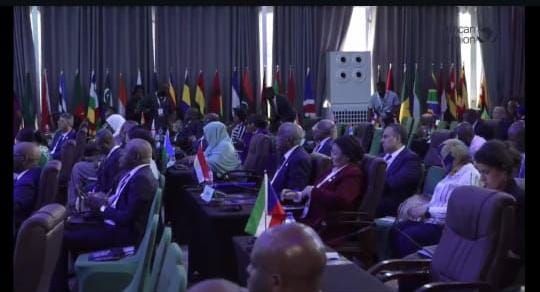
The high-level continental gathering brought together health ministers and policy experts to deliberate on building resilient health infrastructure across Africa. The meeting highlighted the urgent need to transition from endless international aid promises to sustainable domestic financing models.
Kwabena Mintah Akandoh emphasized that relying heavily on international partners leaves African nations vulnerable during global health crises. While foreign aid supported remarkable progress in cutting HIV infections by nearly sixty percent across eastern and southern Africa, relying indefinitely on outside charity remains an unsustainable strategy.
The minister reminded delegates that the original vision of the 2001 Abuja Declaration requires African governments to allocate at least fifteen percent of their annual budgets to health sector development. Mobilizing domestic financial resources creates predictable funding streams that protect hospitals from sudden international budget cuts.
Despite notable health achievements, Africa continues to bear nearly seventy percent of all global maternal deaths, losing almost two hundred thousand women every year to preventable pregnancy complications. Furthermore, Africa’s Universal Health Coverage index stands at just forty-four out of one hundred, well below the global average of seventy-one.
When medical emergency bills force poor families into catastrophic debt, healthcare system failure simply shifts the burden from illness to poverty. Government leaders must make concrete budget commitments to ensure that basic clinic visits and lifesaving maternity care remain affordable for ordinary citizens.
Achieving total health independence requires building strong pharmaceutical manufacturing hubs across our own continent. Importing over ninety percent of all essential drugs, medical equipment, and emergency vaccines creates dangerous supply chain delays whenever global trade stops.
Mintah Akandoh called for harmonized drug regulation and pooled procurement strategies to boost local medicine manufacturing. Establishing regional pharmaceutical factories in West Africa will create skilled jobs while guaranteeing that essential medicines remain available during future medical outbreaks.
The recommendations generated from this Accra ministerial session will directly inform discussions among African Heads of State during upcoming summits. Moving beyond mere diplomatic resolutions toward active domestic investments will secure lasting health sovereignty for future generations.
Ghana continues to champion self-reliant health policies that protect vulnerable families from out-of-pocket medical debts. Prioritizing domestic health funding guarantees that our clinics remain fully equipped, functional, and ready to serve all citizens.
Also Read: Greater Accra Healthcare Crisis: 60% of Medical Workers Consider Quitting