

 By Ishmeal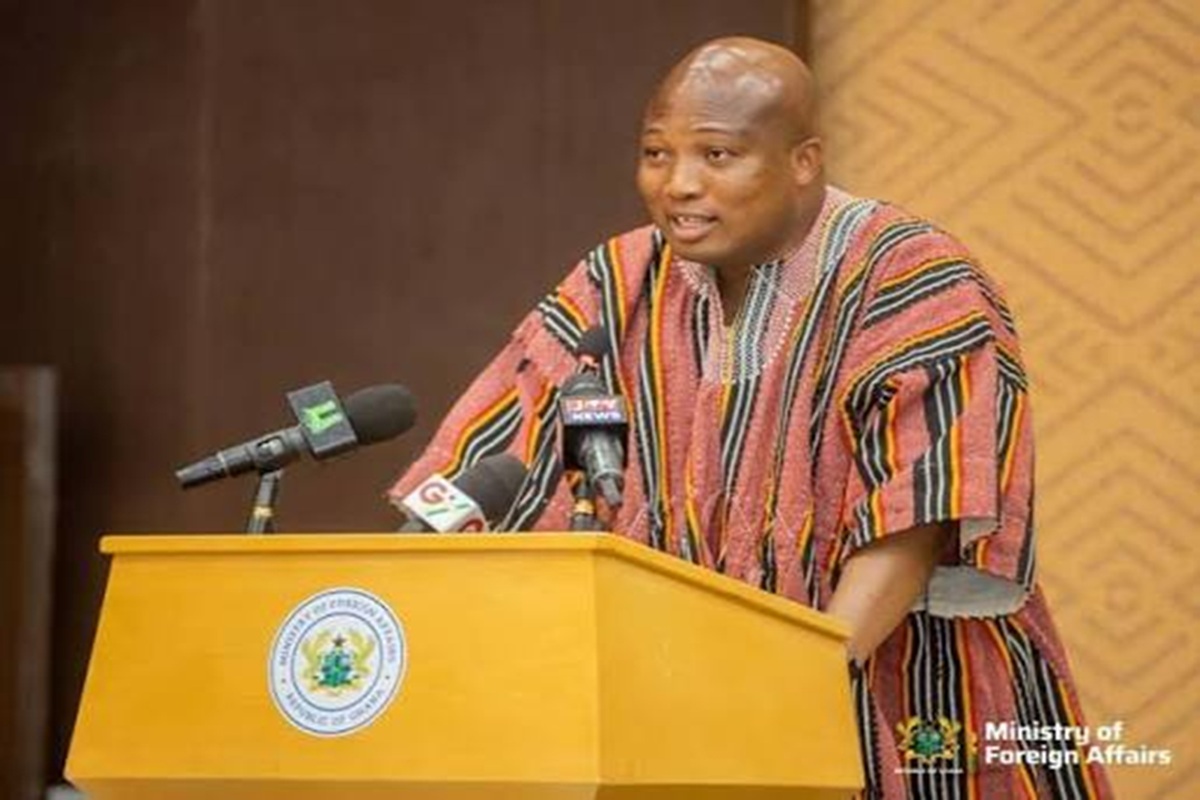
Ghana’s Minister for Foreign Affairs, Samuel Okudzeto Ablakwa, has revealed that the African Union (AU) has pledged to table Ghana’s concerns over xenophobic attacks for action.
The development follows Ghana’s efforts to draw attention to attacks against people because of their nationality or national origin.
According to Mr Ablakwa, the AU has committed to bringing Ghana’s concerns before the appropriate platform for consideration and action. The move could create an opportunity for African leaders to discuss the issue and explore ways to prevent further attacks.
Xenophobic attacks remain a concern across parts of the continent. Such incidents can threaten the safety of people living outside their home countries and strain relations between African nations.
The attacks can also create fear among migrants, traders, students and other citizens who travel to different countries in search of education, employment and business opportunities.
Ghana’s concerns highlight the need for African countries to work together to protect citizens and promote peaceful relations among their people.
The African Union plays an important role in encouraging cooperation among member states. It also provides a platform for countries to discuss shared challenges and pursue solutions through dialogue and collective action.
Mr Ablakwa’s remarks suggest that Ghana wants the issue to receive attention at the continental level rather than be treated only as a concern between individual countries.
However, the specific measures that may follow the AU’s commitment will depend on the discussions and decisions taken by the relevant bodies.
Beyond the issue of xenophobic attacks, the Foreign Affairs Minister also expressed confidence in Africa’s ability to overcome poverty through unity.
According to him, there remains a strong belief that a united Africa can win the war against poverty.
His statement points to the importance of cooperation among African countries in addressing economic challenges, improving living conditions and creating opportunities for their citizens.
Africa continues to face development challenges, including unemployment, limited economic opportunities and unequal access to essential services. Working together could help countries share knowledge, strengthen trade and support development initiatives.
Closer cooperation could also help African nations build stronger economic relationships and reduce barriers that limit the movement of goods, services and people across borders.
Mr Ablakwa’s comments therefore place two important issues at the centre of Africa’s development agenda: protecting citizens from xenophobic attacks and building a united continent capable of tackling poverty.
As Ghana engages the African Union on the matter, attention will be on the actions that follow the commitment and how member states work together to promote safety, dignity and cooperation across the continent.
The wider message is that African unity must go beyond statements and translate into practical action that protects people and improves their lives.
Also Read :Mr Eazi Eyes Billionaire Status In Afrobeats Industry