

 By Emmanuel Bamfo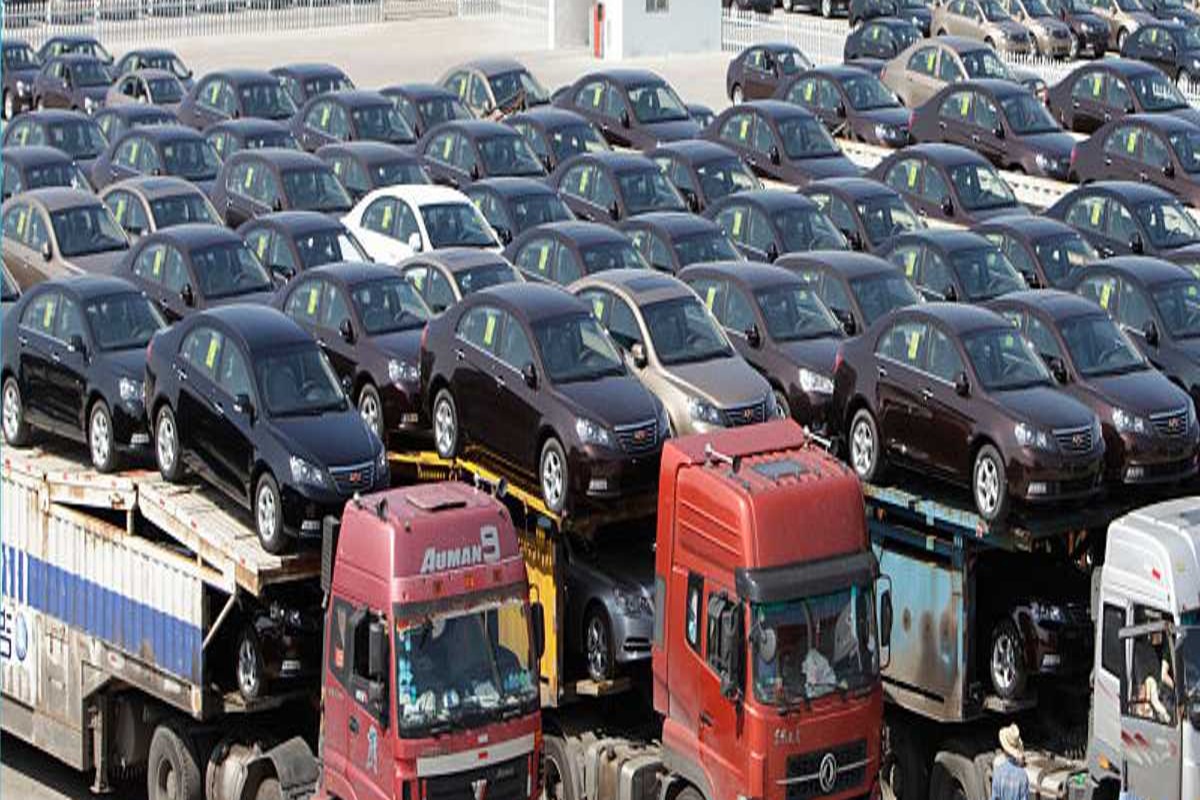
The Ghana Standards Authority (GSA) has officially announced full enforcement of national automotive standard GS 4510:2022 starting October 1, 2026. This major regulatory policy completely bars second-hand motor vehicles older than 10 years from entry into the country through a mandatory Pre-Export Verification of Conformity (PVoC) scheme. The mandate strictly blocks hazardous, overaged, and severely damaged automobiles before they leave foreign ports.
Many Ghanaians rely heavily on foreign secondhand cars to get around daily. In fact, official statistics reveal that about 90 percent of vehicles operating on Ghanaian roads arrived as used imports. This makes the new directive a huge turning point for automobile buyers, shipping agencies, and local car dealers nationwide.
The policy sets clear boundaries for what can cross our borders. If a vehicle was manufactured more than a decade ago from the current year, clearing officers will block its entry at Ghanaian ports. The goal is simple: end the practice of turning our country into a dumping site for worn-out scrap metals.
| Regulation Parameter | Official Requirement |
|---|---|
| Enforcement Date | October 1, 2026 |
| Age Cutoff Limit | Maximum 10 years from manufacture date |
| Mandatory System | Pre-Export Verification of Conformity (PVoC) |
| Emissions Requirement | Minimum Euro-2 exhaust standards |
| Prohibited Types | Salvage, flood-damaged, right-hand drive, spare parts |
For years, shippers at Tema and Takoradi ports brought in cars regardless of mechanical state. Now, every single importer must secure an official Certificate of Conformance before loading any car onto a vessel headed toward West Africa. Without that clearance document, your car stays at the overseas port.
Why Is Ghana Banning Used Vehicles Older Than 10 Years Right Now?
Ghana is implementing this restriction to protect human lives, cut air pollution, and encourage local vehicle assembly plants. Transport authorities cite high road fatality rates and toxic exhaust fumes from dilapidated automobiles as urgent national health concerns. Additionally, the state wants to safeguard consumer money by keeping dangerous scrap off our roads.
When you look at our highways, broken-down overaged cars frequently cause massive traffic jams and dangerous crashes. The GSA highlights that ancient exhaust systems spew unrefined fumes that poison urban air in cities like Accra and Kumasi. Enforcing stricter standards helps clean the environment and aligns Ghana with global climate goals.
Economic ambition plays a massive role in this regulatory decision too. Under the Ghana Automotive Development Programme (GADP), major global automakers including Toyota, Nissan, Volkswagen, and Hyundai built local assembly operations. The government promised these investors a structured market free from unfair competition against unsafe, dirt-cheap junk cars.
Furthermore, overaged cars strain personal finances over time. Buyers spend thousands of Ghana Cedis every month fixing broken drive shafts, faulty engines, and rusty suspensions. Restricting imports to healthier vehicles ensures consumers pay for reliable transport rather than perpetual repair bills.
Which Specific Vehicles Are Strictly Prohibited Under the GS 4510 Standard?
Under the GS 4510:2022 standard, inspectors will ban vehicles over 10 years old, salvage cars with structural damage, and right-hand drive models. Automobiles without metric speedometers or those failing Euro-2 emissions tests face total exclusion. Spare-part assembly cars and flood-damaged units are banned completely.
Let us break down the exact categories that GSA inspectors and third-party verifiers will reject at foreign loading docks:
- Overaged Automobiles: Any passenger car or commercial transport vehicle exceeding 10 years from its original year of manufacture.
- Structural Safety Cage Failures: Vehicles with bent, cracked, welded, or twisted chassis frames that compromise passenger safety during crashes.
- Flood and Fire Damage: Automobiles submerged in water, affected by saltwater flooding, or partially burned by engine fires.
- Right-Hand Drive Units: Automobiles originally built with steering wheels on the right side, unless converted using certified factory protocols.
- Non-Metric Speedometers: Cars displaying speed readings solely in miles per hour without clear kilometer per hour calibration.
- Spare Part Assemblies: Vehicles pieced together from leftover vehicle parts rather than original factory production lines.
| Prohibited Condition | Specific Inspection Standard |
|---|---|
| Overaged Vehicles | Older than 10 years from manufacture date |
| Submerged / Flood Salvage | Any water line damage inside passenger cabin |
| Structural Frame Damage | Cracked, bent, or twisted chassis cage |
| Uncertified Steering | Original right-hand drive conversions |
| Substandard Emissions | Vehicles failing Euro-2 environmental limit |
If your planned import falls into any of these forbidden categories, overseas inspectors will deny your certificate. Shipping lines will refuse to load non-compliant cars because Ghanaian port authorities will turn them back immediately.
How Does the Pre-Export Verification of Conformity (PVoC) Programme Work?
The Pre-Export Verification of Conformity (PVoC) program forces importers to inspect and certify used cars in the country of origin before shipment. International third-party inspection firms test the vehicle’s mechanics, chassis, and exhaust emissions against Ghanaian standards. Passing vehicles earn a mandatory Certificate of Conformance required for customs clearance.
In times past, importers bought cheap salvage cars from online auctions in North America, Europe, or Asia and shipped them directly to Tema Port. They would clear the car, fix severe frame damage at local mechanic workshops, and sell it to unsuspecting drivers. PVoC permanently ends that risky practice.
Now, the compliance steps are crystal clear for everyone involved:
- Purchase Verification: The buyer selects a used vehicle abroad that meets the 10-year age limit and basic structural criteria.
- Physical Inspection: An authorized international inspection agency evaluates the chassis, brakes, speedometers, and engine emissions.
- Certification: If the car passes all safety checks, the agency issues an official Certificate of Conformance.
- Shipping Authorization: The shipping carrier verifies the certificate before loading the vehicle onto the vessel.
- Port Entry: Customs officers at Ghanaian ports verify the digital certificate online to grant quick clearance.
This system protects buyers from losing money on unsafe cars. It ensures that every car landing on Ghanaian shores is roadworthy from the moment it rolls off the ship.
What Happens to Salvage and Accident Cars at Tema and Takoradi Ports?
Salvage cars with major structural damage, compromised safety cages, or flood histories face total bans at foreign ports. Under Section 58 of the Customs Act and standard GS 4510, clearance officers will confiscate or reject non-compliant salvage vehicles. Minor cosmetic defects remain permissible if the core structure and safety features remain fully intact.
For decades, the “accident car” trade supported thousands of local panel beaters, spray painters, and spare part dealers at Abossey Okai and Suame Magazine. Many importers made significant profits bringing in wrecked cars, repairing them cheaply, and selling them as “home-used” vehicles.
The Deputy Director-General of General Services at GSA, Samuel Abdulai Jabanyite, clarified the exact line between minor repairs and total bans. Cars with minor, fixable body scratches or replaceable external panels can still enter if certified roadworthy. However, vehicles with crushed roofs, twisted chassis frames, fire destruction, or flood damage will never get clearance.
| Damage Type | Structural Impact | Import Status Allowed? |
|---|---|---|
| Scratched Panels | Cosmetic only | YES (with inspection pass) |
| Broken Headlights | Component replacement | YES (with inspection pass) |
| Bent Frame/Chassis | Severe safety hazard | NO (Strictly Banned) |
| Flood / Submerged | Electrical corruption | NO (Strictly Banned) |
| Burned Interior | Fire structural damage | NO (Strictly Banned) |
This clear distinction protects buyers from hidden death traps while preserving legitimate trade in repairable, low-mileage automobiles.
Will This Import Ban Make Car Prices Skyrocket for Average Ghanaians?
Car prices for newer secondhand imports will likely experience short-term price increases due to tighter supply and higher purchase costs abroad. However, long-term market stability will emerge as local assembly plants scale production and car financing options expand. Consumers will spend significantly less money on endless mechanical repairs.
It is no secret that older used cars were popular because they matched modest household budgets. A driver could import a 15-year-old sedan for a fraction of the cost of a newer model. Banning older cars means buyers must save more initial capital to purchase vehicles manufactured within the 10-year window.
Yet, viewing this purely as an added expense misses the larger picture. Older cars often come with hidden costs like failing transmissions, broken air conditioners, and leaky radiators that devour savings. A 6-year-old certified vehicle costs more upfront but runs reliably without constant garage visits.
| Financial Factor | Overaged Import (10+ Yrs) | Compliant Import (<10 Yrs) |
|---|---|---|
| Initial Purchase Cost | Lower initial price | Higher upfront capital |
| Port Penalty Risk | Extremely high | Zero compliance penalties |
| Annual Repair Costs | Very high and continuous | Low maintenance expenses |
| Fuel Efficiency | Poor (High emissions) | Optimized (Euro-2+) |
| Financing Eligibility | Ineligible for bank loans | Eligible for auto loans |
Furthermore, the government and local banks are partnering with automotive assemblers to launch structured car financing plans. Instead of paying 100 percent cash upfront for an unreliable imported car, citizens can pay monthly installments for brand-new or certified pre-owned vehicles assembled right here in Ghana.
How Will DVLA, GRA Customs, and VEDIS Enforce These New Regulations?
Enforcement combines physical inspection with real-time digital integration across state security and transport networks. The Vehicle Import and Data Integration System (VEDIS) connects the Ghana Revenue Authority (GRA) Customs, DVLA, GSA, Insurance platforms, and Interpol. This integrated network tracks every vehicle from port arrival through registration.
You cannot circumvent the system through informal shortcuts or fake documentation. The moment a vehicle arrives at the port, customs officers scan its unique Vehicle Identification Number (VIN) into VEDIS. The digital system instantly checks whether a matching Certificate of Conformance exists in the GSA database.
If the data displays an missing certificate, overaged status, or stolen record from Interpol, the system flags the vehicle immediately. DVLA officers will automatically decline license plate registration for any vehicle flagged by VEDIS.
Here is how the data moves through the integrated enforcement network:
- Overseas PVoC Inspection: Third-party agencies inspect the car and log the Certificate of Conformance into the GSA database.
- Customs VIN Scan: When the ship docks, GRA Customs scans the VIN into VEDIS to verify the GSA certificate.
- Automated Cross-Checks: VEDIS cross-references Interpol databases for theft history and insurance status.
- DVLA Final Approval: Once all digital flags pass, DVLA releases official license plates and registration documents.
This seamless digital bridge stops fraud cold. It guarantees that uncertified or overaged cars cannot be cleared, licensed, or insured anywhere in Ghana.
How Can Ghanaian Car Buyers and Importers Protect Their Investments Today?
Importers must verify vehicle manufacture dates, order PVoC inspections before shipping, and buy through verified dealerships. Drivers should demand official Certificates of Conformance before making payments on imported cars. Avoid buying discounted overseas salvage cars that fail structural safety requirements.
To keep your hard-earned money safe under the new import laws, follow these steps:
- Calculate the True Manufacture Age: Confirm the exact production month and year from the door jamb sticker, not just the registration year listed on dealer websites.
- Demand the Certificate of Conformance: Never send money for an imported car unless the seller provides a verifiable PVoC document.
- Avoid Flood and Structural Auctions: Stay away from online auto auctions selling flood-damaged or frame-damaged insurance write-offs.
- Partner with Registered Dealerships: Buy from licensed dealers who follow GSA homologation guidelines.
- Verify Speedometer Units: Ensure your intended car displays speed in kilometers per hour to pass basic port clearance.
Planning ahead keeps your money secure and prevents your vehicle from getting trapped at Tema port.
Frequently Asked Questions About Ghana’s Overaged Vehicle Import Ban
Can I Still Import Right-Hand Drive Vehicles or Spare Parts?
No, you cannot import right-hand drive vehicles unless they have undergone a certified factory-grade conversion to left-hand drive. The GS 4510 standard strictly prohibits right-hand drive automobiles to protect road safety on our right-hand traffic system. Additionally, vehicles assembled purely from loose spare parts are completely banned from entry.
What Happens If My Shipped Car Arrives After October 1 2026?
Any used vehicle arriving at Ghanaian ports on or after October 1, 2026, without a valid Certificate of Conformance will face outright rejection. Customs officers will not issue clearance for overaged or uncertified cars regardless of when you bought them abroad. Importers will bear all financial losses, including return freight charges or port confiscation expenses.
Also Read: ghanas new used car import rules are here