

 By Collins Sarkodieh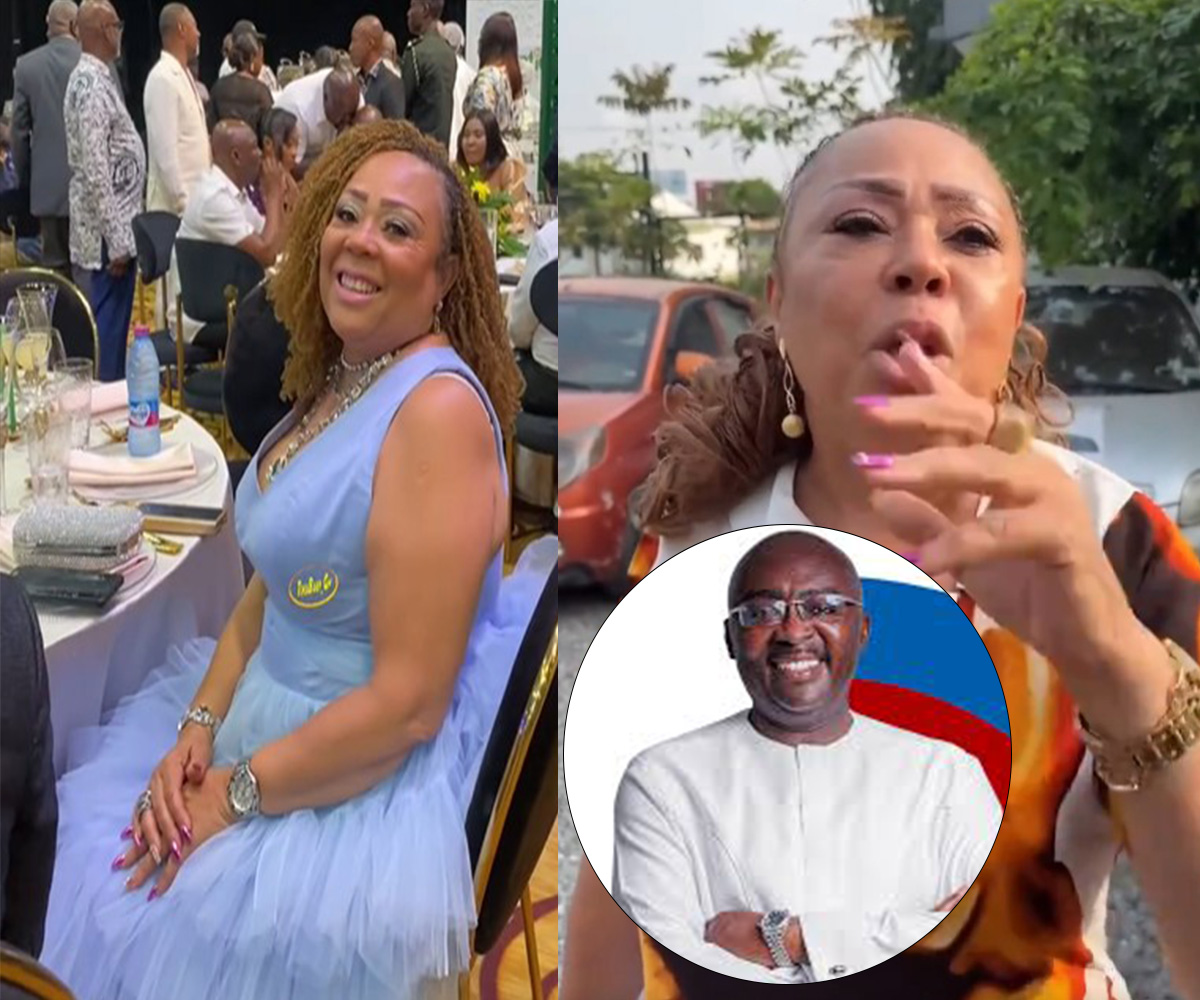
Moments after provisional results suggested that Dr. Mahamudu Bawumia was leading the NPP presidential primaries, a strong and controversial reaction surfaced on the internet about Dr. Mahamudu Bawumia.
Victoria Duncan Williams did not mince words speaking emotionally as the figures began circulating, she declared flatly that Dr. Bawumia would never become President of Ghana, insisting that his leadership had already brought damage to the party. “I’m saying it with authority,” she said. “He came to destroy the NPP… and that’s the end.”
The comments, recorded and shared widely, immediately stirred debate not just about party politics, but about religion, numbers, and national identity.
Religion Enters the Conversation Again
Victoria Duncan Williams based her argument largely on religious demographics, claiming that Ghana’s Christian majority would never allow a Muslim candidate to lead the country.
According to her breakdown, Christians make up about 75 percent of the population, Muslims 14 percent, with the rest belonging to other faiths. From her perspective, this numerical reality alone makes Bawumia’s path to the presidency impossible.
“There’s no way anywhere in this world that the majority will allow a minority to lead,” she argued, drawing comparisons to other countries and political systems.
She questioned whether, even in Parliament, a minority group would be allowed to lead a majority — framing the issue not as policy or performance, but as numbers and identity.
Comparisons That Raised Eyebrows
In pushing her point, she referenced situations in other parts of the world, suggesting that religious minorities rarely lead in countries where they are not dominant. These comparisons quickly became the most controversial part of her statement, with many viewers describing them as extreme and unnecessary.
While she claimed she had “no problem with Muslims,” her remarks sparked concern over how easily religious rhetoric enters political debates in Ghana.
Social Media Reacts: Politics or Prejudice?
The reaction online was swift and divided. Some agreed with her assessment, arguing that Ghana’s voting patterns still reflect religious comfort zones, even if people don’t admit it openly. Others strongly disagreed, pointing out that Ghana’s democracy is built on constitutional rights, not religious arithmetic.
“Today it’s religion, tomorrow it will be tribe,” one user commented. “That road is dangerous.”
Several NPP supporters also questioned why such statements were being made before official results were even declared, warning that early narratives could deepen divisions within the party.
Victoria Duncan Williams’ comments have now become part of a wider national conversation:
Is Ghana truly past identity politics or are those lines just quieter than before?
Dr. Bawumia’s rise within the NPP has often been cited as evidence of progress beyond religious barriers. But reactions like this show that old tensions still exist, even if they are not always spoken aloud.
As of now, the Electoral Commission has not released final results, and the NPP’s internal process is still unfolding. Party leaders have continued to urge calm, unity, and respect for due process.
One thing, however, is clear: As Ghana’s politics evolve, words spoken in emotional moments can travel far and reopen debates many thought were settled. And in this race, it’s no longer just about who is leading but about how the country chooses to talk about leadership at all.
Also Read: Opposition Parties Even Appreciate Mahama’s Performance – Oscar Bedzra