

 By Ishmeal
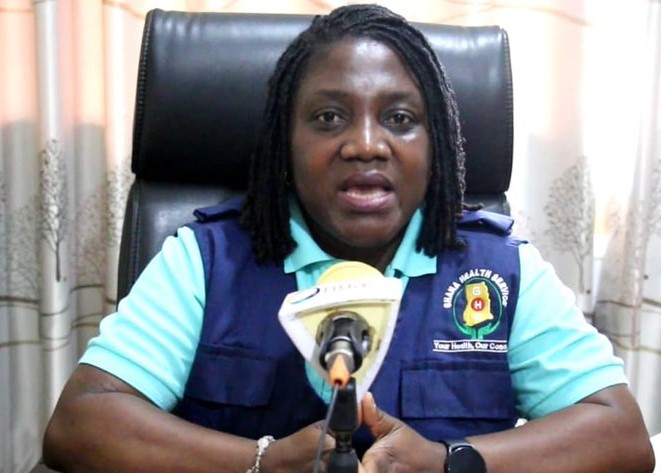
The Bono Regional Health Directorate has intensified its campaign to protect young girls against cervical cancer through increased Human Papillomavirus (HPV) vaccination efforts across the region.
The initiative forms part of the National Periodic Intensification of Routine Immunisation (PIRI) programme, which seeks to improve vaccination coverage and raise public awareness about the importance of immunisation.
Health officials are targeting girls aged 9 to 14 years, using school-based and community-based activities to reach eligible children across the region’s 12 districts and municipalities.
The campaign is aimed at increasing access to the HPV vaccine, which protects against infections that can cause cervical cancer later in life.
Parents and Guardians Urged to Support Campaign
Bono Regional Director of Health, Dr Abdulai Abukari, has called on parents, guardians, traditional authorities, religious leaders, school authorities and community organisations to support the vaccination exercise.
The Directorate is collaborating with the Ghana Education Service and other stakeholders to reach eligible girls in schools and communities, including those who are not attending school.
Health officials are also intensifying public education to address misconceptions about the HPV vaccine and encourage parents to make informed decisions about their children’s health.
The HPV vaccine offers protection against the types of human papillomavirus responsible for most cases of cervical cancer. Health experts recommend vaccination before exposure to the virus to provide the greatest protection.
Bono Records 8,497 HPV Vaccine Doses
Figures from the Bono Regional Health Directorate indicate that 8,497 doses of the HPV vaccine were administered between January and August 2026.
This represents 63.5 per cent of the region’s annual target, highlighting the need for continued efforts to reach more eligible girls.
For the second round of the intensified campaign, the Directorate set a target of vaccinating 9,196 girls.
Achieving this target will require continued cooperation among health workers, school authorities, parents and community leaders to ensure that eligible girls receive the vaccine.
Why HPV Vaccination Is Important
Cervical cancer remains an important public health concern in Ghana. Persistent infection with high-risk types of HPV causes almost all cases of cervical cancer, making vaccination a key preventive measure.
Increasing HPV vaccination coverage among girls aged 9 to 14 can help reduce their risk of developing cervical cancer in adulthood.
The campaign also provides an opportunity to educate families about the importance of prevention and the role of routine immunisation in protecting children’s health.
Parents and guardians are encouraged to ensure that eligible girls receive the HPV vaccine. Those whose children missed the vaccination exercise can contact their nearest public health facility for guidance on available vaccination services.
Directorate Calls for Community Support
The success of the campaign will depend on strong collaboration between health professionals, schools, families and community leaders.
By improving awareness and addressing concerns about vaccination, the Bono Regional Health Directorate hopes to reach more eligible girls and strengthen efforts to prevent cervical cancer.
The intensified campaign forms part of the broader public health effort to protect the next generation and reduce the future burden of cervical cancer in Ghana.
Also Read:Akonta Mining Restricted Forest Access Witness Tells Court