

 By Emmanuel Bamfo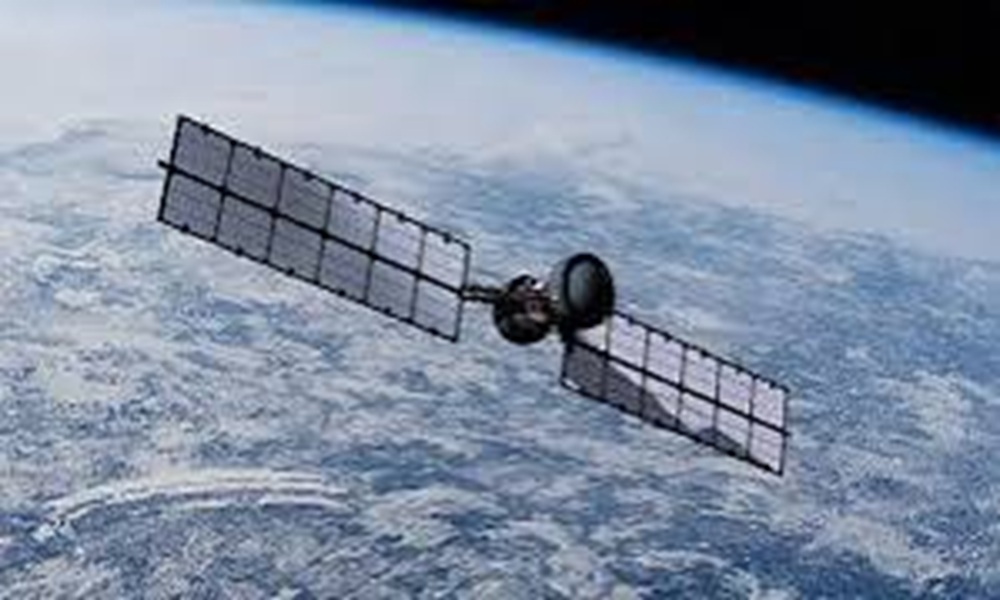
China has achieved a historical milestone in space tech after firing a giant solid-fuel rocket directly from a mobile sea platform off the coast of Shanghai. The mission successfully placed nine satellites into low-Earth orbit, marking the world’s very first mobile maritime launch dedicated entirely to building a broadband internet constellation.
I always joke that while we are here struggling with local telco data bundles disappearing into thin air, people are sailing mobile launchpads into the open ocean to beam high-speed internet from the sky! IMO, firing heavy rockets off a moving ship without hitting a single snag is pure engineering brilliance 🙂
 Sea Platform Deploys Off Shanghai Coast  ===>  Gravity-1 Rocket Launches  ===>  9 Satellites Reach Orbit  ===>  Global Internet Network Expands
      (Mobile Vessel Stationed at Sea)            (Carries 3+ Ton Payload)         (Qianfan Constellation Fixed)        (Broadband Coverage Grows)
Why Firing Internet Satellites From The Sea Is A Huge Game Changer
Why are space engineers ditching traditional inland launchpads and sailing heavy rockets straight into the open ocean? The Gravity-1 Y3 launch vehicle, built by Orienspace, delivered eight Qianfan constellation internet satellites and one testing satellite into precise orbit, breaking records for payload mass and altitude.
According to official flight data published by Science and Technology Daily, the total payload mass surpassed 3 tonnes and reached an injection altitude of 800 kilometers.
-
Total Fleet Mobility: Sea-based launch platforms can sail directly to optimal low-latitude locations near the equator to maximize rocket efficiency.
-
Enhanced Safety: Launching over open sea waters completely removes the danger of spent rocket boosters falling on residential towns.
-
High Payload Records: Firing a 3-tonne payload over 800km proves maritime vessels can handle massive commercial internet satellites.
I remember when space launches were strictly land-locked affairs surrounded by massive concrete towers, so watching a giant vessel blast heavy rockets from the sea feels like pure science fiction coming to life.
The Tech Behind China’s Giant Gravity-1 Solid-Fuel Rocket
How did a solid-propellant rocket manage to withstand harsh maritime environments like salty sea fog, high humidity, and oceanic waves without malfunctioning?
The solid-fuel Gravity-1 rocket boasts a maximum low-Earth orbit capacity of 6.5 tonnes, making it the world’s most powerful solid-propellant carrier rocket in active service.
                 [ Mobile Launch Platform Deploys at Sea ]
                                   |
              Gravity-1 Solid Rocket Ignites Off Shanghai
                                   |
                 [ Injection Altitude Reaches 800 Kilometers ]
                                   |
            8 Qianfan Internet Satellites Deployed to Network
-
Environmental Resilience: Built specifically to survive extreme salt fog, moisture, and high temperatures at sea.
-
Rapid Deployment turnaround: Executed its second mobile sea mission just 56 days after its previous flight.
-
Complex Payload Separation: Deployed both stacked and flat-panel satellite configurations simultaneously during flight.
FYI, building a global satellite constellation takes intense speed, and mobile sea platforms give space agencies unmatched launch flexibility!
Challenging Starlink And Redefining Global Space Connectivity
This successful maritime launch directly accelerates the development of the Qianfan mega-constellation, which aims to provide global internet access to remote regions worldwide. Commercial space analysts note that sea launches drastically lower operational costs while speeding up network deployment schedules.
Also Read: MTN nigeria hits 100m the real deal behind big tech scale
Source: Ghana News Page