

 By Ishmeal
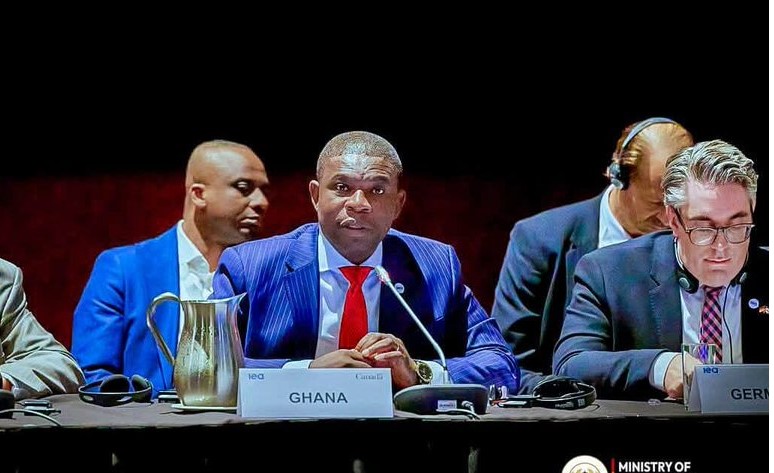
Ghana is seeking financial and technical support from the United States to advance plans for its first fully state-owned nuclear power plant, while maintaining discussions with Russia over the proposed project.
The move follows a five-day working visit to the United States by a Ghanaian government delegation led by Deputy Minister for Energy and Green Transition, Richard Gyan-Mensah, on behalf of sector Minister Dr John Abdulai Jinapor.
During the visit, the delegation held discussions with US government agencies, the Nuclear Energy Institute, George Mason University and major nuclear technology companies.
According to Mr Gyan-Mensah, the engagements identified possible areas of American support, including grants for preparatory studies, project-development financing, investment guarantees and technical assistance.
The discussions also covered independent assessments of available nuclear technologies, nuclear regulation, security, academic cooperation and training opportunities for Ghanaians interested in working in the nuclear industry.
The government hopes these partnerships will help provide the expertise, financing and institutional support needed to move the country’s nuclear power ambitions forward.
Ghana plans US$200 million nuclear-readiness programme
The discussions with American institutions come as Ghana prepares to invest US$200 million in a 24-month nuclear-readiness programme from January 2027 to December 2028.
The programme was announced by Finance Minister Dr Cassiel Ato Forson during the presentation of the 2027 Budget to Parliament.
It is expected to support important preparatory activities, including site studies, nuclear technology selection, environmental assessments, financing arrangements, licensing preparations, nuclear safeguards and emergency planning.
Government also intends to strengthen the country’s technical workforce by training more than 2,000 scientists.
By December 2028, Ghana hopes to complete the readiness process and sign an engineering, procurement, construction and financing contract for the proposed facility.
However, the 2028 target does not mean the plant will begin generating electricity that year. It marks the government’s target for completing the necessary preparations and reaching the stage where a construction contract can be signed.
Russia also involved in Ghana’s nuclear plans
Ghana’s engagement with the United States is taking place alongside discussions with Russia.
During the Third Russia-Africa Summit in Moscow in October 2026, President John Dramani Mahama held bilateral talks with Russian President Vladimir Putin.
Foreign Affairs Minister Samuel Okudzeto Ablakwa later announced that Russia had agreed to work with Ghana towards establishing a 2,000-megawatt nuclear power plant.
The proposed partnership is intended to strengthen Ghana’s electricity supply and support industrial development.
The Russian commitment represents another international partnership being explored by Ghana as it works towards developing its nuclear energy programme.
Government insists on full state ownership
A key part of Ghana’s plan is to ensure that the proposed nuclear power plant remains a strategic national asset under full state ownership.
According to the 2027 Budget, international partners will provide technology, financing, engineering and specialist services without taking ownership of the facility through an independent power producer arrangement.
The government says the nuclear programme will help diversify Ghana’s electricity sources, improve long-term energy security and provide reliable baseload power to support businesses and industrial growth.
Ghana’s latest engagement with Washington and its discussions with Moscow mark important steps in its efforts to develop nuclear energy.
However, the country must still complete major technical, regulatory and financial preparations before construction can begin.
Also Read:Man Utd Complete Deal To Sign Ghanaian Descent Star Tyler Adjei