

 By Collins Sarkodieh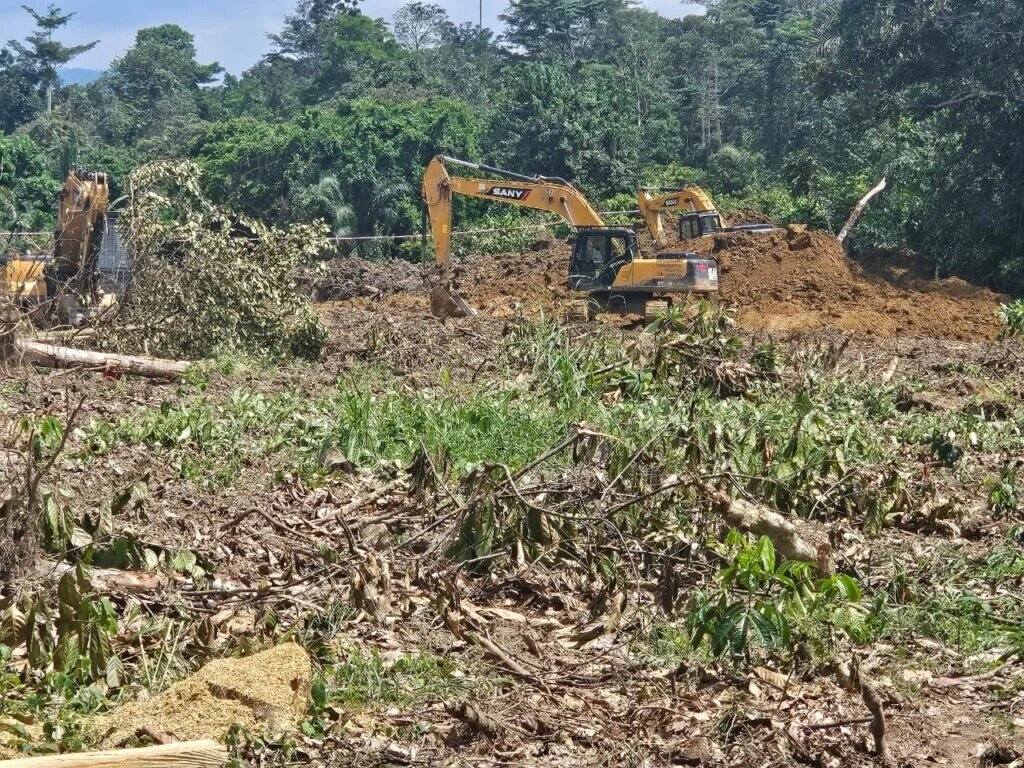
The High Court at Dunkwa Offin has granted an injunction filed by the Ghana Cocoa Board (COCOBOD) to stop the destruction of cocoa farms by the Chief of Dunkwa Offin, Okoforobour Obeng Nuako III. This judicial intervention aims to protect the livelihoods of local farmers and preserve the nation’s cocoa output after approximately 50 acres of mature farms were reportedly leveled for estate development.
The legal dispute erupted following a land ownership contest between the Chief of Dunkwa and the Chief of Ayenfuri, Nana Kojo Appiah II. While the Ayenfuri stool historically granted these lands to farming families generations ago, the Dunkwa Chief recently claimed ownership and deployed land guards to clear the area. Despite COCOBOD’s initial attempts at diplomatic mediation, the destruction continued, forcing a transition from dialogue to litigation.
Beyond stopping the current destruction, COCOBOD is seeking formal compensation for the farmers whose investments were destroyed. The court’s decision provides a temporary reprieve for the remaining cocoa trees, ensuring that “estate development” does not come at the expense of national food security and rural economic stability. The case is set to continue on May 26, 2026, as the court determines the long-term status of these vital lands.
Why did COCOBOD file for an injunction against the Dunkwa Offin Chief?
COCOBOD filed for an injunction to immediately halt the illegal destruction of over 50 acres of cocoa farms by land guards acting on the orders of Okoforobour Obeng Nuako III. The move was triggered by a desperate petition from farmers at Denkyira Agyinpaboa who faced losing their entire life’s work to unauthorized land clearing.
Cocoa is the backbone of Ghana’s rural economy, and the sudden destruction of productive farms represents a significant blow to the national harvest. COCOBOD initially sent a delegation to resolve the matter through engagement, but the Chief reportedly ignored these efforts. By turning to the High Court, COCOBOD is fulfilling its mandate to protect the cocoa industry from internal and external threats.
The injunction serves as a legal shield, preventing any further entry or development on the disputed land until the court can rule on the underlying ownership claims. For the farmers involved, this is not just about land; it is about the survival of their families and the preservation of a legacy handed down by the Ayenfuri stool.
What are the legal and economic implications of the farm destructions?
The destruction of these farms has significant legal and economic consequences, potentially leading to massive compensation claims against the Dunkwa stool. Economically, the loss of 50 acres of mature cocoa trees translates to thousands of dollars in lost annual revenue for both the farmers and the state of Ghana.
From a legal standpoint, COCOBOD is pleading with the court to allow the law to take its course regarding the “land guard” activities, which are illegal under Ghanaian law. The destruction of crops is often viewed as a criminal act of atmospheric and economic sabotage. If the court finds the Chief liable, the financial penalties could be substantial to cover the re-planting and gestation periods of the lost trees.
Furthermore, this case sets a precedent for how traditional authorities interact with agricultural lands. While chiefs are custodians of the land, their power is not absolute, especially when it involves the destruction of national assets like cocoa. The 2026 legal climate in Ghana is increasingly focused on protecting agricultural investments against erratic real estate expansion.
How does the land dispute between the Dunkwa and Ayenfuri Chiefs affect farmers?
The dispute leaves farmers caught in a dangerous middle ground where their ancestral land rights are being challenged by modern territorial claims. The families at Denkyira Agyinpaboa received these lands from the ancestors of the Ayenfuri Chief, Nana Kojo Appiah II, and have cultivated them for decades without incident until now.
When two stools clash over boundaries, it is often the tenant farmers who suffer the most immediate physical and financial harm. Land guards frequently use intimidation tactics to prevent farmers from accessing their crops, leading to a total loss of seasonal income. This uncertainty discourages farmers from investing in modern fertilizers or equipment, further lowering productivity.
The High Court’s intervention is essential to restoring order and clarifying which stool has the rightful authority to grant or revoke farming rights. Until May 26, 2026, the status quo remains, allowing farmers to breathe a sigh of relief while the “big men” battle it out in the courtroom rather than on the farm.
Factual Insights into Ghana’s Cocoa Sector and Land Rights:
- National Impact: Cocoa contributes approximately 15% of Ghana’s export earnings, making the protection of every acre a national security priority.
- Legal Protections: The Land Act, 2020 (Act 1036) provides frameworks to protect occupants and farmers against unlawful evictions and land guard activities.
- Compensation Standards: COCOBOD utilizes specific valuation metrics to determine the “life-of-tree” value when demanding compensation for destroyed crops.
- Traditional Authority: While Article 267 of the Constitution vests stool lands in trust for the subjects, it does not permit the arbitrary destruction of private economic assets.
- Acreage Loss: The Dunkwa Offin incident has already resulted in the loss of 50 acres, which could have produced several tons of premium cocoa beans annually.
- Mediation First: COCOBOD follows a “mediation-first” protocol, only moving to litigation when traditional dialogue fails to stop the damage.
What are the next steps for the Dunkwa Offin cocoa farmers?
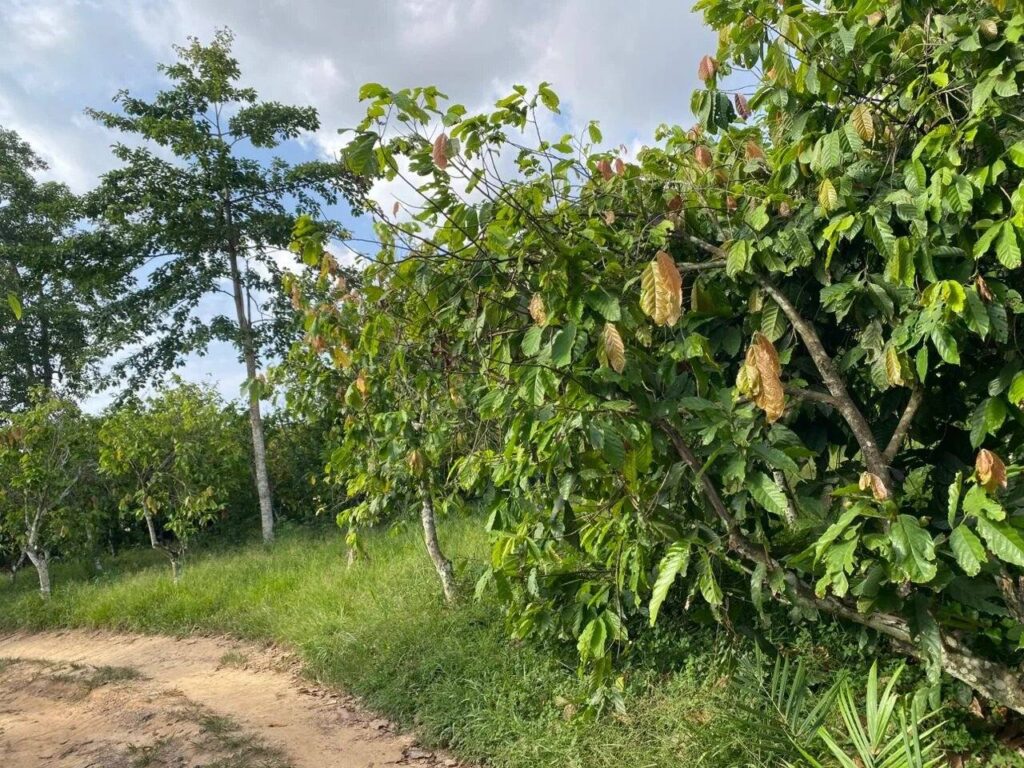
The next step for the farmers is to wait for the court’s hearing on May 26, 2026, where the specific claims for compensation and a permanent injunction will be discussed. In the meantime, the temporary injunction allows them to resume care for their remaining farms without the fear of harassment from land guards.
Farmers are encouraged to document the extent of the damage to their properties to support COCOBOD’s plea for financial restitution. This evidence will be vital when the court assesses the “punitive and compensatory” damages requested by the COCOBOD legal team. It’s essentially “bring your receipts” time for the agricultural sector.
Moving forward, the goal is to formalize land titles under the new Land Act to prevent such disputes from recurring. While a chief’s word was once the only law, modern Ghana requires a paper trail that even a powerful stool must respect. The success of this case could inspire other farming communities to stand their ground against unlawful land seizures.
The clash between Okoforobour Obeng Nuako III and COCOBOD represents the larger struggle in Ghana between traditional land tenure and the modern need for agricultural security. By securing this injunction, COCOBOD has signaled that “tradition” is no excuse for the destruction of the nation’s economic lifeblood.
As we wait for the May 26 court date, the message to developers and traditional leaders is clear: cocoa farms are protected zones. The High Court at Dunkwa Offin has taken a stand for the “small farmer,” ensuring that the cocoa pods of today don’t become the construction rubble of tomorrow.
Also Read: Ending the Offshore Era: COCOBOD’s New Plan to Self-Fund Ghana’s Cocoa