

 By Collins Sarkodieh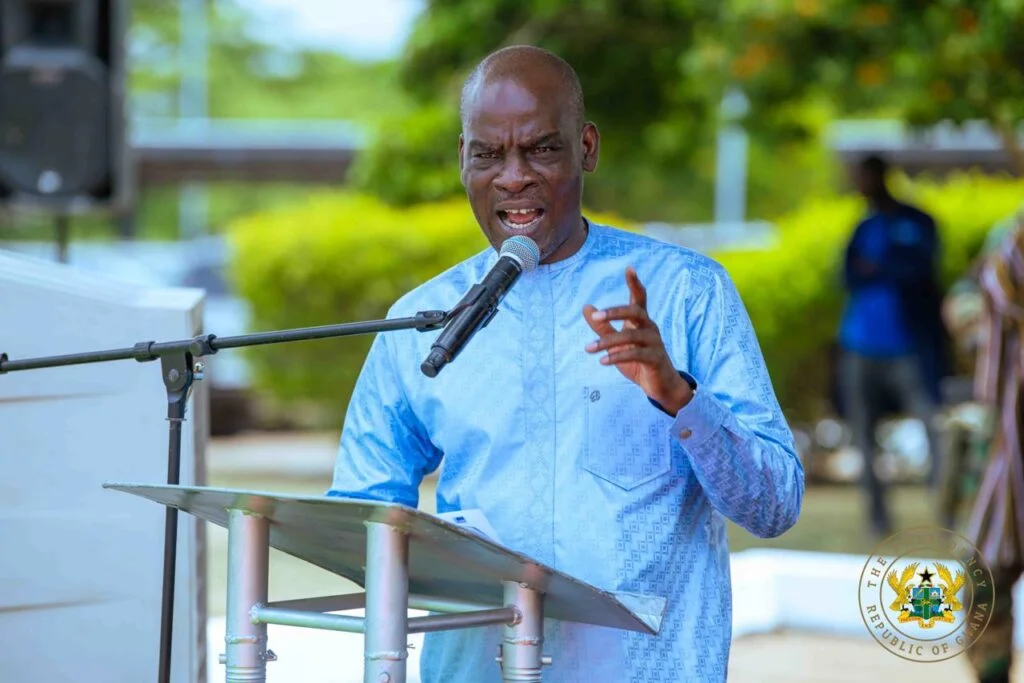
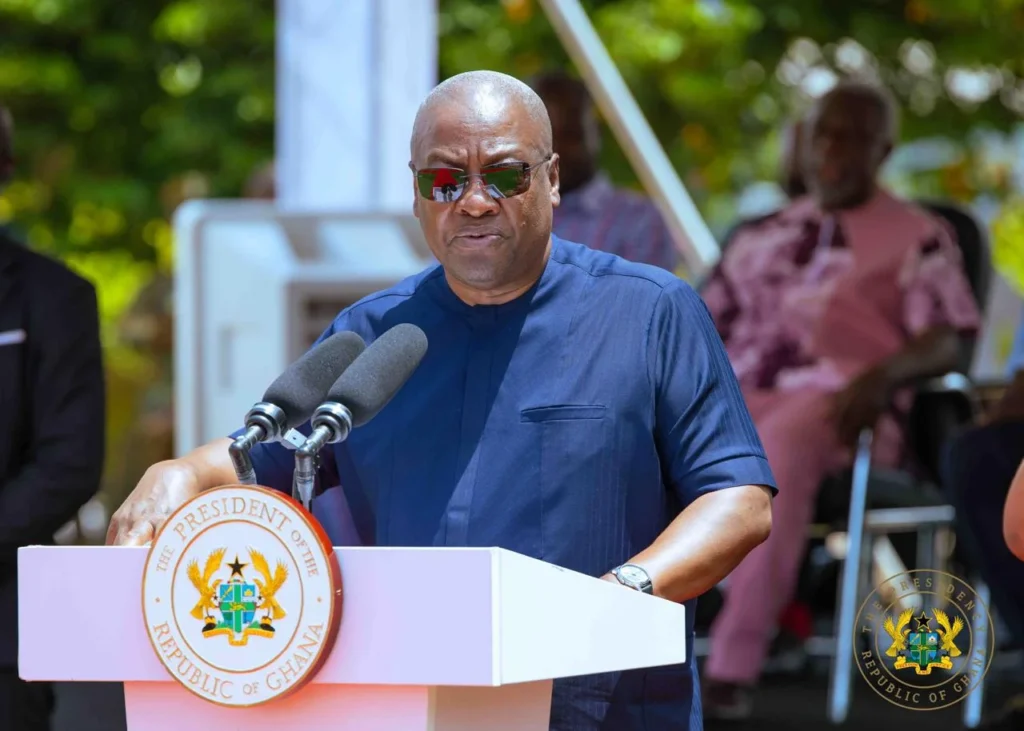
President John Dramani Mahama has announced that Ghana will officially end the Double-Track System in all senior high schools by 2027. This ambitious target is supported by the $300 million World Bank-funded STARR-J programme, which aims to upgrade school infrastructure and increase the capacity of secondary institutions nationwide.
The Transformative Secondary Education for Access, Results and Relevance for Jobs (STARR-J) initiative focuses on upgrading 50 senior high schools to higher categories. By improving facilities and operationalizing existing community day schools, the government intends to eliminate the shift system that has categorized Ghanaian secondary education for several years.
This $300 million investment is designed to ease the pressure on boarding facilities while ensuring that urban families have better access to quality education closer to home. With the STARR-J project now in motion, the transition back to a single-track academic calendar is expected to be completed within the next year, marking a significant milestone in Ghana’s educational infrastructure development.
What is the $300M STARR-J Programme?
The STARR-J programme is a $300 million initiative funded by the World Bank to improve the quality, access, and relevance of secondary education in Ghana. Its primary mechanical goal is to provide the physical infrastructure necessary to end the Double-Track System by upgrading 50 specific schools and operationalizing dormant community day facilities.
Under this project, the government will upgrade 30 “Category C” schools to “Category B” status and elevate 20 “Category B” schools to “Category A.” These upgrades involve expanding classrooms, dormitories, and science laboratories, effectively increasing the student capacity of each institution. This allows schools to accommodate more students at once, removing the need for alternating “Green” and “Gold” tracks.
Furthermore, the programme focuses on the “Relevance for Jobs” aspect, ensuring that the curriculum and facilities support modern technical and vocational skills. By making secondary education more job-oriented, the STARR-J initiative aims to reduce youth unemployment while solving the immediate logistical crisis of school overcrowding.
How will the STARR-J project end the Double-Track System?
The STARR-J project will end the Double-Track System by physically expanding the capacity of the most pressured schools to handle a full student population simultaneously. By 2027, the goal is for every secondary school to have enough dormitory and classroom space to operate on a single-track calendar without excluding any qualified students.
A major part of this strategy involves operationalizing community day schools. Many of these structures were built to bring education closer to urban and rural families but lacked the necessary final touches or staffing to be fully effective. The STARR-J funding will provide the “last mile” investment needed to make these schools viable alternatives to traditional boarding houses.
When students can attend high-quality schools within their communities as day students, it significantly reduces the “boarding crunch” that necessitated the double-track system in the first place. It is a logical solution: if you have more desks and more schools, you don’t need to ask half the students to stay home while the other half learns.
Why is 2027 the target for a single-track system?
The 2027 target allows for a realistic construction and transition period to ensure that no student is displaced during the move away from the double-track system. President Mahama noted that the “next year” (2026) will see the bulk of the infrastructure improvements, leading to a total phase-out by the start of the 2027 academic cycle.
Transitioning an entire national education system requires more than just money; it requires time for procurement, construction, and teacher placement. Setting the deadline for 2027 gives the Ministry of Education the space to ensure that the upgraded schools are fully equipped with the necessary teaching materials and personnel to maintain high standards.
This timeline also aligns with World Bank project cycles, ensuring that the $300 million facility is utilized efficiently across the designated 50 schools. It provides a clear roadmap for parents and students, promising an end to the confusion and logistical hurdles that the alternating track system often created for families.

Factual Insights into Ghana’s STARR-J Education Reform:
- Total Funding: The programme is backed by a $300 million facility from the World Bank.
- School Upgrades: A total of 50 senior high schools are targeted for immediate infrastructure upgrades.
- Categorization: The project will elevate 30 schools to Category B and 20 schools to Category A.
- Infrastructure Goal: The primary physical objective is to increase dormitory and classroom capacity to end the Double-Track System.
- Timeline: The President has set a hard deadline for the system to be fully phased out by 2027.
- Economic Strategy: The “STARR-J” acronym stands for Transformative Secondary Education for Access, Results and Relevance for Jobs.
- Community Impact: The project prioritizes urban day schools to ease the pressure on overcrowded boarding facilities.
What are the benefits of upgrading Category B and C schools?
Upgrading Category B and C schools helps democratize access to high-quality education by reducing the overwhelming demand for a few “elite” Category A institutions. When more schools have “Category A” facilities, students are more likely to accept placements in varied locations, knowing they will receive the same standard of resources.
Currently, the double-track system is most prevalent in highly sought-after schools that simply don’t have the space for their massive intake. By elevating the status of 50 other schools, the STARR-J programme effectively redistributes the student population. This “leveling up” ensures that a student in a former Category C school has access to the same labs and libraries as one in a top-tier institution.
This strategy also improves the “Relevance” portion of the STARR-J mission. Better-equipped schools can offer more specialized courses in STEM and vocational arts, better preparing Ghanaian youth for the global job market. It’s a win-win: the tracks disappear, and the quality of the education actually improves.
The announcement that no SHS will run the double-track system by 2027 is a significant pledge for the future of Ghana’s youth. Through the $300 million STARR-J programme, the government is not just solving a space problem; it is investing in the long-term relevance and accessibility of secondary education.
As the 50 targeted schools undergo their transformations, the focus remains on ensuring that every Ghanaian child can attend school on a stable, single-track schedule. With the support of the World Bank and a clear infrastructure roadmap, the 2027 deadline represents a promising light at the end of the tunnel for students, parents, and teachers alike.
Also Read: The End of a Legal Era: How the Legal Education Reform Act, 2025, Changes Ghana Forever