By Collins Sarkodieh
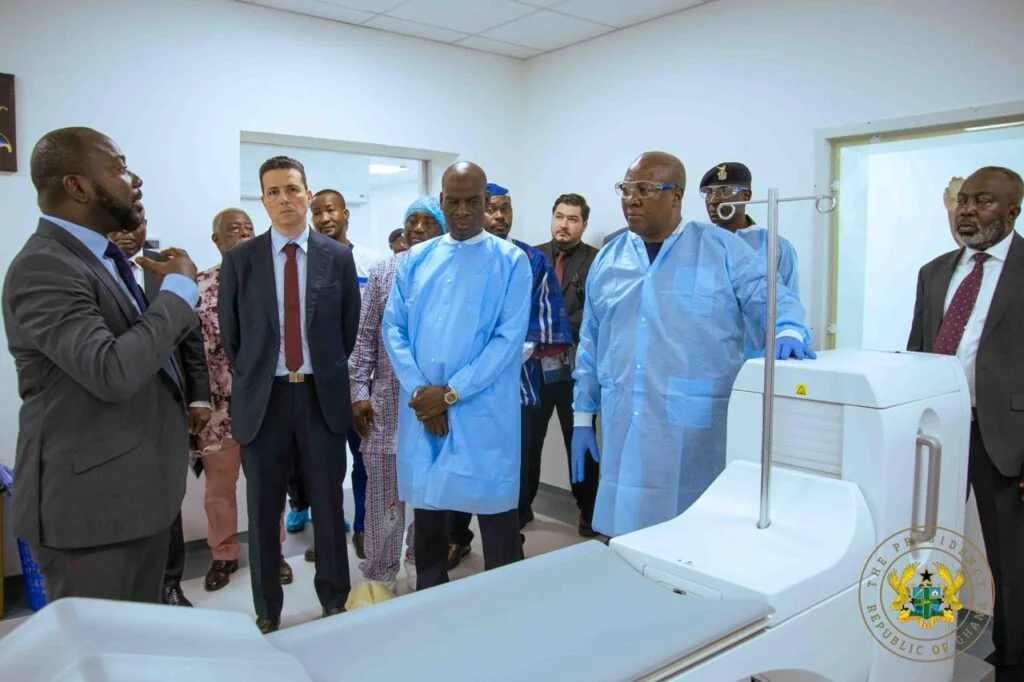
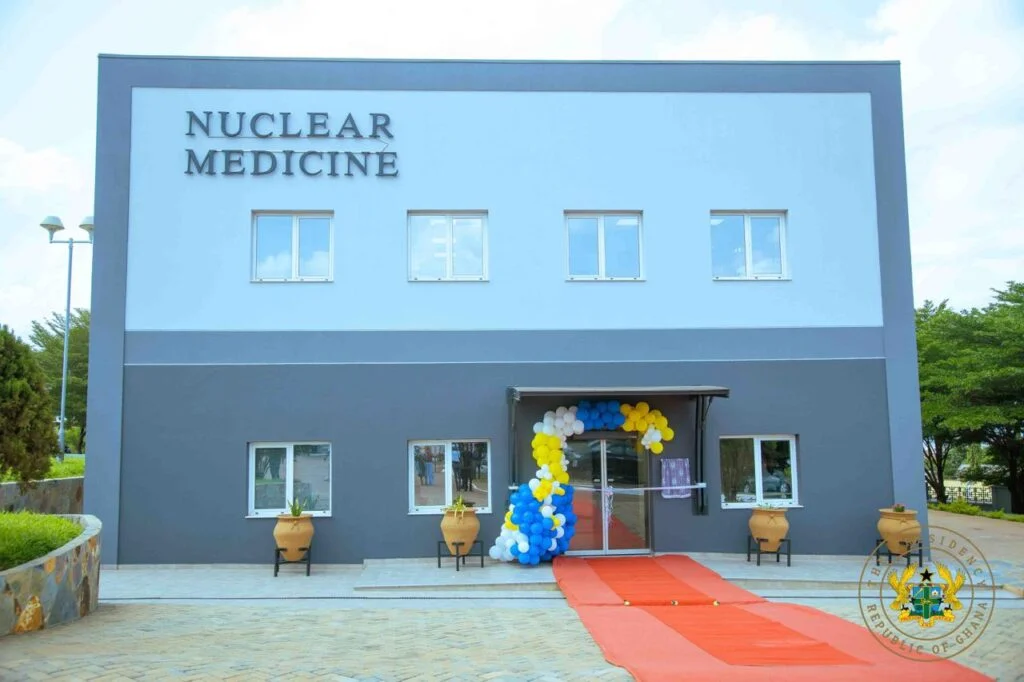
President John Dramani Mahama has commissioned a state-of-the-art Positron Emission Tomography (PET) Scan facility at the Sweden Ghana Medical Centre (SGMC) in Accra. This advanced diagnostic center is designed to improve cancer detection and treatment outcomes, significantly reducing the need for Ghanaians to travel abroad for specialized medical imaging. By integrating this technology into the national healthcare framework, the government aims to establish Ghana as a premier medical hub in West Africa.
The introduction of PET CT Scan technology represents a shift from traditional imaging to functional diagnostics at the cellular level. Unlike standard X-rays or CT scans that show the body’s structure, PET scans allow doctors to observe how the body functions and metabolizes. This precision leads to earlier detection of malignancies, more accurate staging of cancers, and better-targeted treatment plans for patients.
To ensure accessibility, President Mahama announced that the facility will be registered under the Ghana Medical Trust Fund, popularly known as “MahamaCares.” This move will provide financial support for oncology patients, ensuring that high-end diagnostic services are not reserved solely for the wealthy. The project also highlights a unique partnership with the Ghana National Association of Teachers (GNAT), whose investment played a key role in bringing this infrastructure to life.

How does the new PET Scan facility improve cancer diagnosis in Ghana?
The new PET Scan facility improves cancer diagnosis by allowing medical professionals to identify diseases at the molecular level long before physical changes appear on conventional scans. By monitoring metabolic activity, doctors can pinpoint exactly where cancer cells are active, leading to much earlier intervention. This technology is essential for accurate cancer staging and monitoring how well a patient is responding to chemotherapy or radiation.
Traditional imaging like MRIs and CT scans are excellent for looking at the “geography” of the body, but PET scans look at the “chemistry.” For a cancer patient, this means a doctor can see if a tumor is shrinking or if the cells inside it are still active and dangerous. This level of detail prevents unnecessary surgeries and allows for highly personalized medicine that saves lives and reduces suffering.
Furthermore, having this technology locally eliminates the immense emotional and financial burden of traveling to Europe or India for a scan. For years, the lack of a PET scan in Ghana meant that many diagnoses were delayed or incomplete. Now, patients can access world-class diagnostics right in Accra, ensuring that their treatment journey begins with the most accurate data possible.
What is the role of the MahamaCares Fund in cancer treatment?
The MahamaCares Fund, officially known as the Ghana Medical Trust Fund, will act as a financial safety net for cancer patients using the new PET Scan facility. By registering the Sweden Ghana Medical Centre as a recognized oncology provider under this fund, the government is making advanced diagnostics affordable for ordinary citizens. This initiative ensures that the “financial toxicity” of cancer does not prevent patients from receiving life-saving care.
President Mahama emphasized that the fund is designed to cover the high costs associated with advanced oncology services. Cancer treatment is notoriously expensive, and diagnostic scans are often the first major hurdle for families. Integrating these costs into a structured trust fund allows the state to subsidize treatments, making “innovation and accessibility” a reality rather than just a political slogan.
By providing a sustainable funding model, MahamaCares ensures that the PET scan facility remains operational and utilized to its full capacity. It bridges the gap between the availability of high-tech equipment and the ability of the average Ghanaian to pay for it. This holistic approach is what the President described as a “new chapter” in the country’s healthcare journey.
Why is Ghana being positioned as a West African medical hub?
Ghana is being positioned as a medical hub because it is now one of the few countries in the sub-region equipped with functional PET CT Scan technology and a dedicated oncology infrastructure. By investing in these high-end services, the country attracts patients from neighboring nations who previously sought care outside of Africa. This “medical tourism” can generate significant revenue while raising the overall standard of local clinical expertise.
The involvement of the Ghana National Association of Teachers (GNAT) in this project is a prime example of domestic investment in national health. When large unions and local entities invest in healthcare infrastructure, it creates a sustainable ecosystem that doesn’t rely solely on foreign aid. This self-reliance is a key requirement for becoming a regional leader in any scientific or medical field.
President Mahama noted that scientific advancement and innovation are the anchors of this transformation. As more advanced facilities like the one at the Sweden Ghana Medical Centre come online, Ghana builds a reputation for clinical excellence. This attracts international talent, fosters local research, and ensures that the country remains at the forefront of medical technology in Africa.
Factual Insights into Ghana’s Healthcare Transformation:
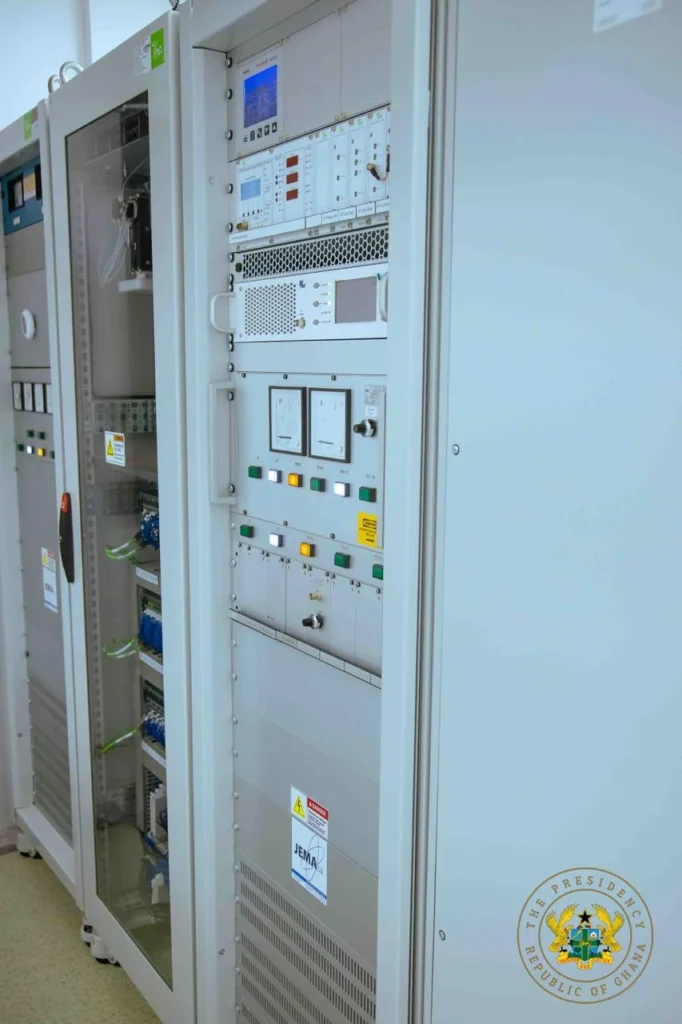
- Technology Type: The facility utilizes Positron Emission Tomography (PET) combined with Computed Tomography (CT) for molecular imaging.
- Economic Impact: Local access to PET scans reduces capital flight caused by citizens spending thousands of dollars on medical tourism abroad.
- Funding Mechanism: The MahamaCares (Ghana Medical Trust Fund) will provide ongoing financial support for oncology patients.
- Strategic Partnership: The Ghana National Association of Teachers (GNAT) is a major investor in the medical infrastructure at the SGMC.
- Clinical Benefit: PET technology can detect metabolic changes in cells months before they are visible on a standard X-ray or MRI.
- Regional Status: With this commissioning, Ghana joins a select group of African nations capable of providing advanced molecular cancer staging.
How does the GNAT investment benefit teachers and the public?
The investment by the Ghana National Association of Teachers (GNAT) benefits the public by providing the capital needed for high-impact healthcare projects while securing the welfare of its members. Teachers, as part-owners of the infrastructure through their union, gain prioritized or subsidized access to these advanced diagnostic services. It is a logical model where union dues are invested into assets that save the lives of the members themselves.
Beyond the teaching fraternity, the investment benefits the broader population by increasing the total number of specialized medical centers in the country. When a union invests in a facility like the Sweden Ghana Medical Centre, it adds to the national pool of resources, easing the pressure on government-funded hospitals. It demonstrates a proactive approach to social security that goes beyond mere salary negotiations.
President Mahama commended the union for this foresight, noting that it reflects a deep commitment to the welfare of the broader Ghanaian population. This “social partnership” between labor unions and the healthcare sector is likely to become a blueprint for future infrastructure projects in Ghana. It proves that when national associations pool their resources, they can solve some of the country’s most complex developmental challenges.
The commissioning of the PET Scan facility at the Sweden Ghana Medical Centre is more than just a technological upgrade; it is a promise of hope for thousands of families. By combining cutting-edge science with the financial backing of the MahamaCares Fund, President John Dramani Mahama has addressed two of the biggest hurdles in cancer care: early detection and affordability.
As Ghana steps into its role as a regional medical leader, the focus remains on ensuring that these advancements reach the people who need them most. With the support of organized labor and a clear national health agenda, the journey toward an innovative and accessible healthcare system is well underway. For cancer patients in Ghana, the “new chapter” has finally begun.
Also Read: Ghana Workplace HIV Policy 2026: What It Means for Employees, Employers, and Public Health