

 By Emmanuel Bamfo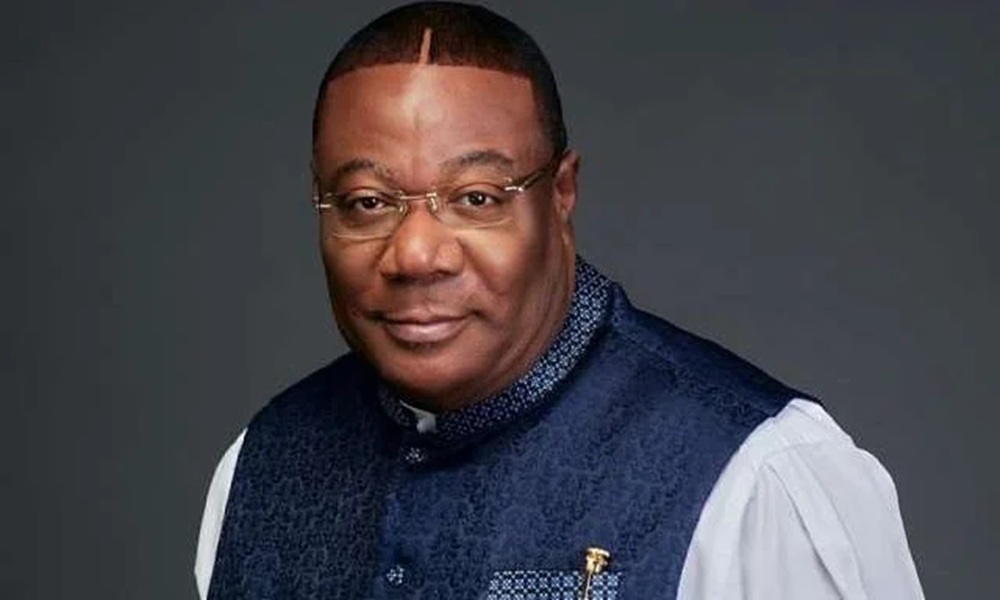
I drove past the proposed construction site for Ghana’s National Cathedral last month, and I saw what millions of Ghanaians affectionately call the most expensive pit in West Africa.
That giant hole in the ground stands as a silent monument to grand ambitions, deep political squabbles, and public outrage. When Archbishop Nicholas Duncan-Williams spoke out about why the project stalled, everybody listened.
Ever wondered how a massive religious monument backed by top clergy members somehow turned into a complete project shutdown? I spent hours reading through the Archbishop’s statements, tracking the board resignations, and comparing official promises with what actually happened. Today, I want to walk you through the key reasons Archbishop Duncan-Williams highlighted regarding why Ghana’s National Cathedral never came to life.
1. The Call for an Independent Audit Fell on Deaf Ears
Archbishop Nicholas Duncan-Williams and Reverend Eastwood Anaba did not just wake up one morning and walk away from the Board of Trustees. They raised serious red flags long before they submitted their joint resignation letter. The two respected clergymen demanded an immediate, independent corporate audit of the project’s state-issued funds and private donations.
IMO, demanding an audit for a massive public project should be basic common sense rather than a revolutionary act. However, the leadership failed to institute the requested independent audit in a timely manner.
Here is a quick breakdown of what the clergymen wanted verified:
-
Total Government Transfers: Absolute clarity on every cedi released from national coffers into the project accounts.
-
Contractor Payments: Clear documentation proving where millions of dollars in consultancy and design fees actually went.
-
Private Donor Contributions: A verified accounting system for public donations raised both locally and abroad.
-
Financial Governance Compliance: Strict adherence to statutory procurement rules and public financial management protocols.
When project handlers delayed this crucial audit, the Archbishop realized his reputation was on the line and stepped aside. 🙂
2. Economic Hardship vs. Grand Religious Monuments
Timing matters in every major infrastructure project, and building a cathedral during an economic crisis represents a severe misstep. Archbishop Duncan-Williams recognized that forcing a costly monument on a struggling public created massive social resistance. You cannot easily persuade citizens facing high inflation to applaud multimillion-dollar cathedral expenditures.
Have you ever tried convincing a hungry person that building a cathedral solves their immediate problems? The public pushback grew stronger every day as economic conditions worsened. The project quickly lost moral authority because leadership prioritized concrete structures over the immediate welfare of ordinary citizens.
-
Public Backlash: Taxpayers openly questioned state funding while public hospitals lacked basic supplies.
-
Loss of Moral Ground: Religious leaders lost support when perceived as endorsing government spending amid hardship.
-
Shrinking Donations: Private donors pulled back their contributions as public controversy surrounding the project grew.
3. Political Polarization Ruined National Consensus
A project meant to unify the country ended up dividing Ghanaians along strict party lines. Archbishop Duncan-Williams pointed out that national unity forms the foundation of any sacred project. Without broad consensus across the political spectrum, the project faced guaranteed opposition from day one.
The government framed the National Cathedral as a personal pledge to God rather than a shared national vision. Consequently, opposition parties, civil society organizations, and everyday taxpayers viewed the whole initiative with deep suspicion.
The Breakdown of Trust
Instead of bringing religious communities together, the project created sharp divisions.
-
State vs. Church Boundary: People fiercely debated whether secular state funds belonged in a religious edifice.
-
Lack of Bipartisan Support: Politicians turned the site into a weapon for campaign arguments and parliamentary brawls.
-
Judicial and Procurement Controversy: Allegations of bypassed procurement procedures destroyed public confidence completely. :/
4. Architectural Ambition Outstripped Practical Realities
Sir David Adjaye designed a stunning architectural masterpiece featuring biblical gardens, a 5,000-seat auditorium, and Africa’s first Bible museum. However, grand blueprints require realistic execution plans, continuous funding, and total transparency.
When financial transparency dissolved and public mistrust peaked, foreign and local contractors could not continue work without guaranteed funding streams. The project ground to a sudden halt, leaving behind a heavily excavated site that cost millions of dollars to dig.
Archbishop Duncan-Williams provided a crucial lesson in leadership when he insisted on accountability over political convenience. A cathedral requires pure intentions, public trust, and absolute financial integrity before anyone lays a single brick.
The project stalled because leadership ignored calls for transparency, misread the economic climate, and allowed political infighting to destroy national unity. Until leaders prioritize transparency and public trust, that famous site will remain a quiet reminder of what happens when ambition ignores accountability.
Also Read: