

 By Collins Sarkodieh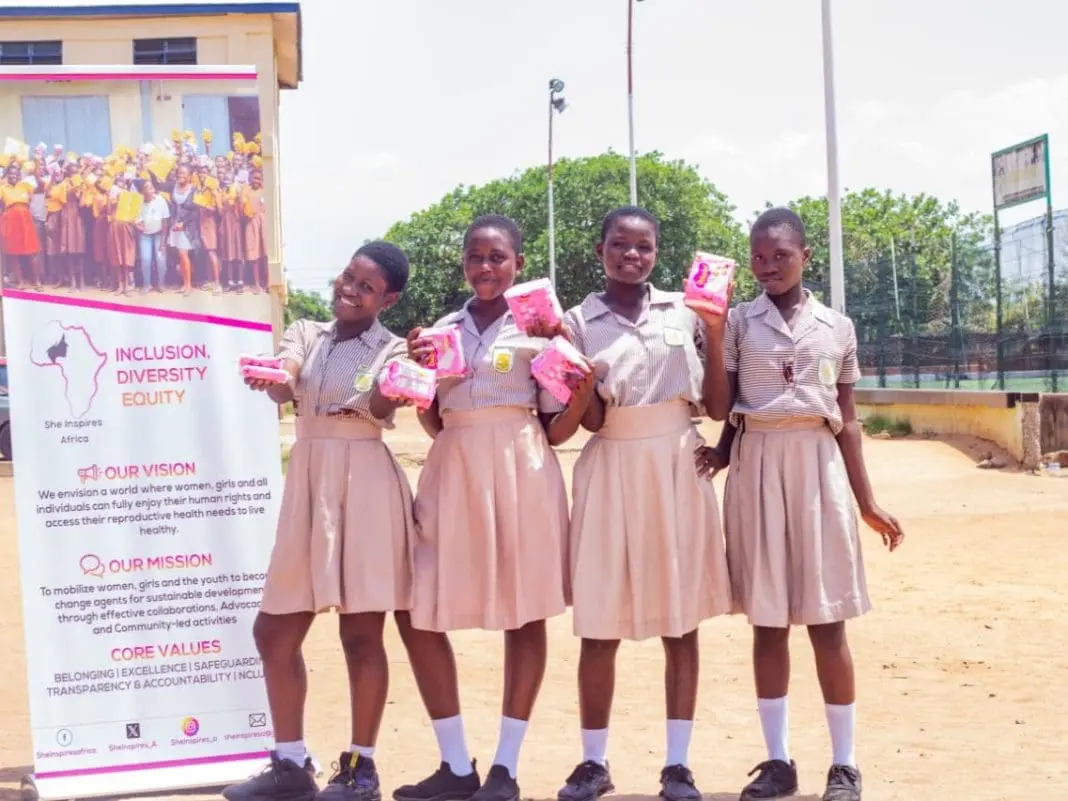
The Ghana CSOs Platform on the Sustainable Development Goals (SDGs) is calling for a crucial expansion of the national Free Sanitary Pad Distribution Policy.
This initiative, which currently supports nearly two million schoolgirls every month, needs to reach those outside the formal school system to truly achieve menstrual equity.
The push for this change coincides with the third anniversary of the #DontTaxMyPad campaign, celebrated on World Menstrual Hygiene Day 2026 under the theme “Together for a #PeriodFriendlyWorld”. While the government has made commendable progress, activists believe the current scope remains incomplete.
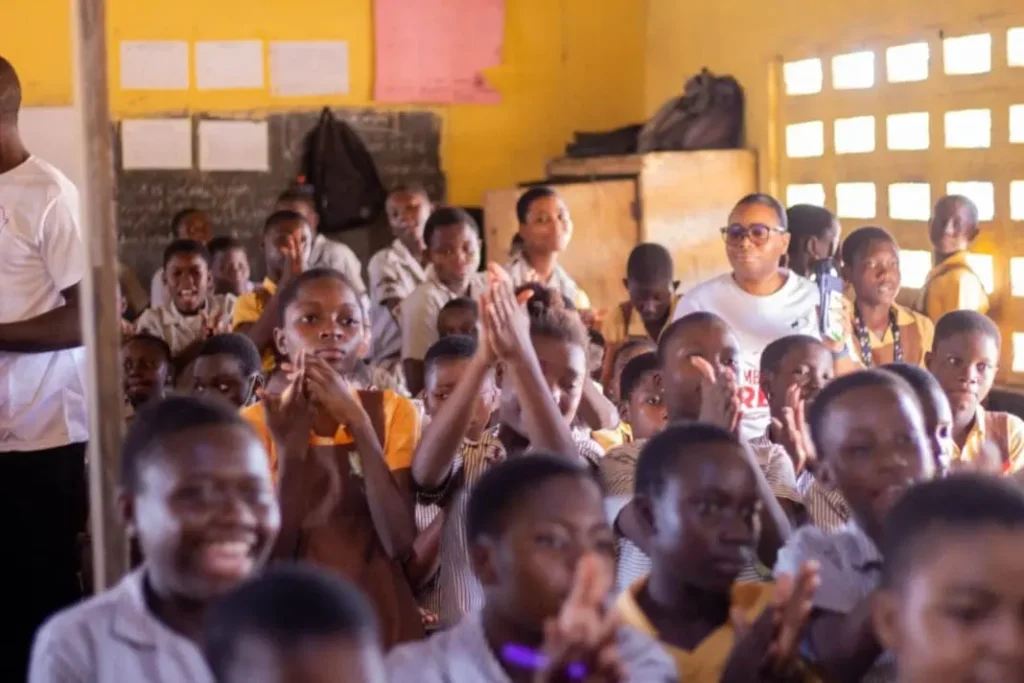
The existing government program focuses primarily on primary and secondary school students, effectively leaving out a massive vulnerable demographic. An estimated 1.8 million girls and young women who are in apprenticeships, vocational training, informal employment, or are out of school altogether currently lack access to these free supplies.
These young women face the exact same economic barriers that originally sparked the #DontTaxMyPad advocacy. Whether a girl is working in a chop bar in Nkwanta or learning a trade in Kumasi, her need for menstrual hygiene products is just as urgent as that of her peers in the classroom.
What progress has been achieved since 2023?
The #DontTaxMyPad movement has secured major policy victories through persistent activism, including petitions and picketing at Parliament. Three years ago, sanitary pads faced taxes exceeding 32 percent, which was financially crippling when a single pack cost more than the daily minimum wage of GH¢14.88.
In 2024, the government responded by announcing zero-rated VAT on locally produced pads and import duty waivers on raw materials. By 2025, a GH¢292.4 million investment was committed to the distribution program for schoolgirls, marking a significant milestone for menstrual health advocacy in Ghana.
What are the key recommendations for a national menstrual health strategy?
The Ghana CSOs Platform recommends a comprehensive approach that moves beyond schools to cover all girls and women regardless of their location. Their roadmap for an inclusive policy includes several strategic actions:
- Extend free distribution to girls in Technical and Vocational Education and Training (TVET) programs, apprenticeships, and informal settlements.
- Increase investment in essential Water, Sanitation and Hygiene (WASH) infrastructure to support better menstrual health outcomes.
- Integrate professional menstrual health services into the existing Community Health Planning and Services (CHPS) program to reach underserved rural communities.
- Implement strict market monitoring to ensure that tax waivers on materials actually lead to lower retail prices for all consumers.
- Publish regular, transparent data regarding the reach and impact of the distribution program to maintain public accountability.
Ensuring that no girl or young woman is left behind is central to the mission of the Ghana CSOs Platform on the SDGs, which unites over 400 organizations dedicated to the 2030 goals. By formalizing a more inclusive national strategy, Ghana has the opportunity to lead the region in prioritizing the dignity and health of its youth.
Expanding access to menstrual hygiene is not just a health issue, but an economic and social necessity that empowers young women to participate fully in society. As the country moves forward, the focus must remain on creating a system where every girl can menstruate with dignity, regardless of her educational status.
Also Read: Ending SHS Food Shortages: How the Reviewed Free SHS Policy and GETFund Reforms Work
Source: ghananewspage.com