

 By Emmanuel Bamfo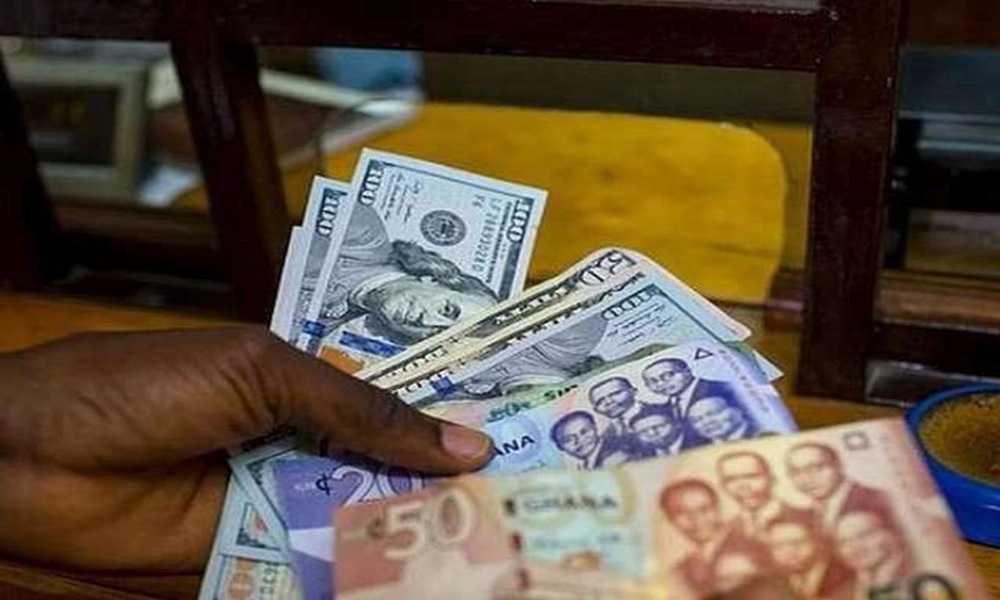
If you planned on paying for online subscriptions or buying dollars for an upcoming business trip today, your wallet definitely felt that familiar pinch. On September 9, the Ghanaian Cedi sold at GHS12.15 against the US dollar at local forex bureaus, while the Bank of Ghana (BoG) interbank market posted a selling rate of GHS11.43.
I checked my banking app early this morning to pay an international supplier, and seeing the divergence between bureau rates and official bank rates instantly reminded me why tracking foreign exchange matters. Everyone knows how quickly shifting exchange rates impact the prices of imported goods, fuel, and everyday consumer tech across Ghana. Let’s look closely at where major currencies stand today, how remittance platforms compare, and what this spread means for your daily spending.
What Are the Current Dollar, Pound, and Euro Rates Today?
To understand how your purchasing power is holding up, you need to look at both the official commercial figures and street bureau rates. Forex bureaus report average buying rates of GHS11.75 and selling rates of GHS12.15 for the US dollar, maintaining a clear premium over the central bank’s interbank rate.
Have you ever wondered why money changers charge noticeably more than traditional banks? IMO, forex bureaus react instantly to retail demand and cash availability on the street, while commercial banks move at a slightly slower regulatory pace. If you plan to shop in town or exchange physical notes, expect to pay bureau prices.
Here is a breakdown of today’s key exchange rates across the major global currencies:
-
US Dollar (USD): Forex bureaus buy at GHS11.75 and sell at GHS12.15, while the BoG interbank market pegs buying at GHS11.41 and selling at GHS11.43.
-
British Pound (GBP): Bureaus trade at an average of GHS15.32 buying and GHS16.31 selling, compared to the official interbank rate of GHS15.47.
-
Euro (EUR): Street operators buy at GHS13.14 and sell at GHS14.02, while the central bank lists the interbank rate at GHS13.28.
How Are Money Transfer Platforms and Cards Performing?
If you rely on money sent from relatives abroad or frequently use bank cards for software subscriptions, retail rates tell a very different story. Digital remittance services like Taptap Send and LemFi are offering competitive dollar transfer rates of GHS11.43 and GHS11.40 respectively for incoming transfers.
Receiving remittances directly to your mobile money wallet remains one of the most efficient ways to convert foreign currency right now. However, paying for digital services like Netflix or Spotify with local Visa or Mastercard debit cards costs noticeably more.
Digital Remittance and Card Processing Rates
When relatives send money from the US or UK, choosing the right transfer service guarantees more value on arrival. Card issuers settle international digital transactions at higher retail rates, ranging between GHS12.28 and GHS12.31 per dollar.
-
Remittances for GBP: Taptap Send offers GHS15.50, while LemFi quotes GHS15.44 per pound.
-
Remittances for EUR: Taptap Send delivers GHS13.28, and LemFi offers GHS13.26 per euro.
-
Card processing fees: Visa and Mastercard settle international digital subscriptions at GHS12.31 and GHS12.28 per dollar respectively.
Does anyone actually enjoy seeing extra card processing charges on their monthly bank statement? Probably not, which makes tracking these settlement rates essential for smart online shoppers.
What Does the Forex Spread Mean for Consumers?
If you look at the gap between the GHS11.43 interbank selling rate and the GHS12.15 bureau selling rate, you see a spread of roughly 72 pesewas per dollar. This price difference means importers pay significantly more when acquiring physical cash for overseas orders, driving up retail prices on shop shelves.
Whenever forex bureau rates creep upward, local traders adjust their profit margins to cover future inventory restocks. Keeping an eye on these daily market trends prevents unwanted surprises at the checkout counter.
-
Importers: Face higher cash procurement costs when funding trade trips.
-
Online shoppers: Pay premium processing rates when using local bank cards online.
-
Remittance receivers: Enjoy solid exchange value when receiving direct app transfers 🙂
My Personal Take: How to Manage Your Money Wisely Today
While market rates fluctuate daily, adopting a few proactive financial habits keeps your personal budget balanced. Planning foreign exchange transactions ahead of time prevents panic buying at inflated street rates.
I remember last month when I needed urgent dollars for a digital renewal and rushed into a street purchase without checking bank card rates first. I ended up paying a steep premium simply because I didn’t compare options beforehand :/
Here are three simple tips to optimize your currency exchanges:
-
Compare remittance apps: Check payout rates on Taptap Send and LemFi before approving incoming family transfers.
-
Use official channels for large sums: Purchase dollars directly through commercial bank accounts whenever possible to secure interbank rates.
-
Track digital subscription costs: Audit your recurring card payments to account for credit card settlement surcharges.
What Lies Ahead for the Ghanaian Cedi?
Market watchers continue monitoring central bank interventions and commercial liquidity to predict short-term currency movements. Stabilizing exchange rates depends heavily on sustained forex reserves, strong export earnings, and disciplined fiscal management.
Will the gap between interbank and bureau rates narrow in the coming weeks? FYI, staying updated on daily market figures empowers you to make smarter financial choices whether you are running a business or managing household bills.
Keep your financial eyes open, compare rates before making big purchases, and plan your spending carefully!
Also Read: Bog names 20 illegal loan apps check the full list