

 By Emmanuel Fletcher
Ghana is making noticeable progress in the national health campaign against HIV. Official figures from the Ghana AIDS Commission reveal that new infections fell from 15,290 cases in 2024 to 13,951 cases in 2025, representing a drop of over eight percent.
While this statistical decline gives us genuine reason to celebrate, health officers emphasize that the health battle is far from over. Thousands of local families still face serious emotional distress and social stigma following a fresh medical diagnosis.
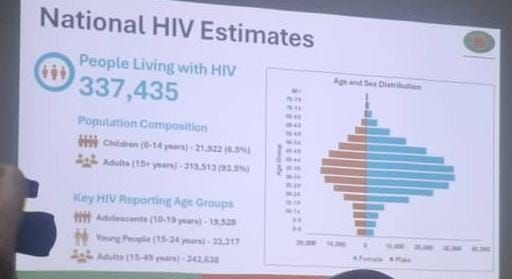
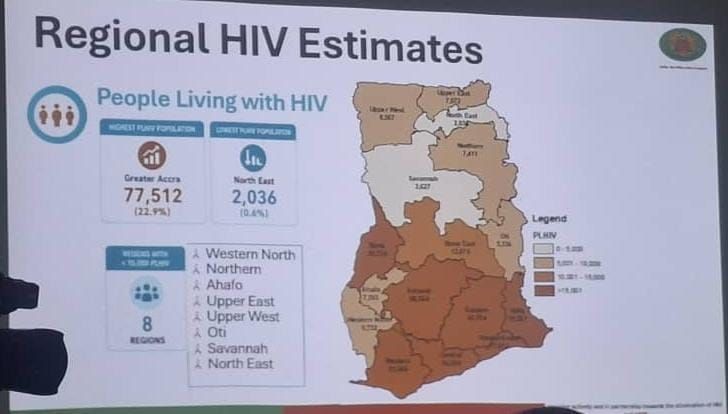
The subnational data shows clear regional differences in case distribution across the country. Greater Accra recorded the highest volume of new cases at 3,141, while the North East Region recorded the lowest figure at 108 cases.
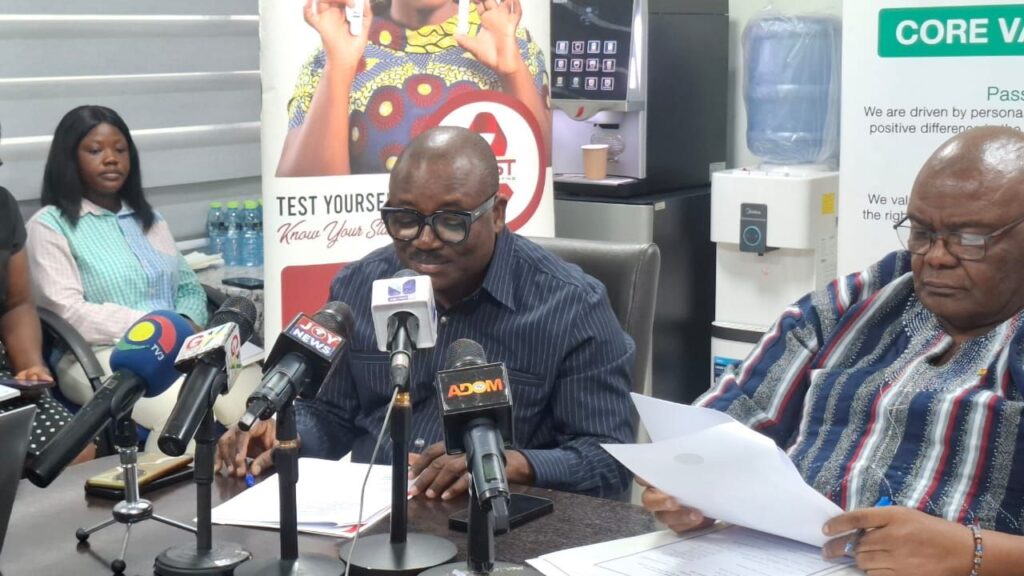
Young adults aged fifteen and above account for over ninety-one percent of all new diagnoses. Programme Manager for the National AIDS Control Programme, Dr Emmanuel Teviu, explained that health teams will deploy innovative community methods to educate young workers and protect children living with the condition.
Health experts highlight one major gap that requires urgent national attention. Over one hundred thousand Ghanaians currently live with the virus without knowing their status or receiving proper clinical care.
Late medical testing continues to drive preventable deaths and accidental transmissions. Out of 334,721 total citizens living with HIV, roughly 227,593 know their status, 156,821 receive life saving antiretroviral therapy, and 140,357 have achieved viral suppression.
Director General of the Ghana AIDS Commission, Dr Kharmacelle Akanbong, noted that steady funding for testing and treatment yields real results. He urged citizens to get tested regularly, start early medication, and reject social discrimination.
Ending AIDS as a public health threat by 2030 requires active support from every community. Closing national funding gaps and encouraging voluntary health checks will ensure that Ghana secures a healthier future for all citizens.
Also Read: Health Advocates Raise Alarm Over Shortage of HIV Testing Kits and TB Medicines in Ghana