

 By Collins Sarkodieh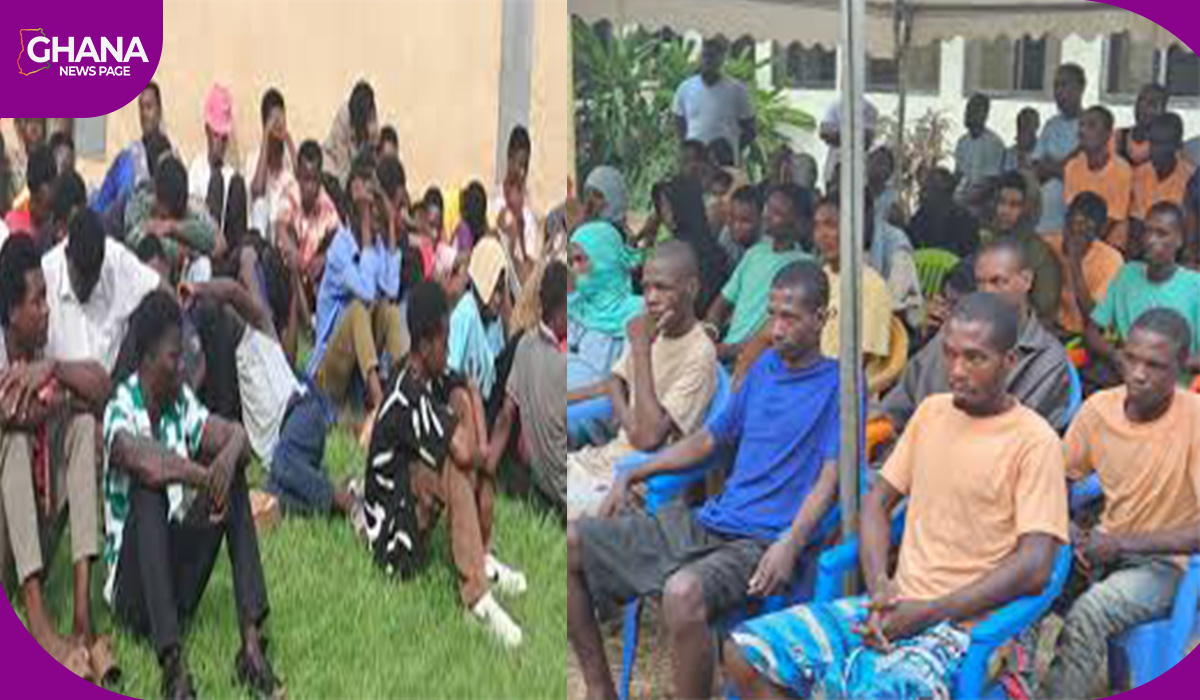
Twenty-eight young Ghanaians have been successfully rescued and repatriated after being trafficked to Côte d’Ivoire under the guise of lucrative job opportunities. A coordinated joint security operation between Ghanaian and Ivorian authorities dismantled the network, marking a significant victory in the ongoing battle against regional human trafficking syndicates.
This rescue comes at a critical time as the Ghanaian government intensifies its warnings against sophisticated trafficking networks. These criminal organizations specifically target vulnerable youth in rural and peri-urban areas, using social media and deceptive “travel agents” to promise high-paying jobs in neighboring countries. Instead of employment, many victims find themselves trapped in forced labor or domestic servitude.
The successful return of these 28 individuals highlights the growing effectiveness of cross-border security cooperation. However, it also serves as a somber reminder of the persistent threats facing the youth. Government officials are now urging families to verify all international job offers through the Ministry of Employment and Labour Relations to prevent further tragedies.
How were the 28 Ghanaians rescued from Côte d’Ivoire?
The rescue was the result of a high-stakes joint security operation involving the Ghana Police Service, the Ghana Immigration Service, and their Ivorian counterparts. Acting on intelligence gathered from escaped victims and local informants, security forces raided several locations in Côte d’Ivoire where the youth were being held against their will.
The operation utilized intelligence-led policing to track the movement of the victims across the border. Human trafficking often relies on informal porous border crossings, making the coordination between the two nations essential. Once the victims were identified and secured, they were provided with immediate medical attention and psychological support before being transported back to Ghana.
This successful intervention is part of a broader regional strategy to tighten border controls and share real-time data on suspected traffickers. By hitting the syndicates where they operate, security agencies are sending a clear message that West African borders are no longer a safe haven for human exploiters.
What deceptive tactics are trafficking networks using today?
Human trafficking networks in West Africa predominantly use “fake job offers” and “travel packages” to lure unsuspecting youth into exploitative situations. Many traffickers now utilize social media platforms like WhatsApp and Facebook to advertise non-existent positions in hospitality, construction, or domestic work in countries like Côte d’Ivoire, Togo, or even further abroad.
These syndicates often pose as legitimate recruitment agencies, sometimes even providing forged documents to build trust with the victims and their families. Once the individual crosses the border, the traffickers typically seize their identification documents and mobile phones, effectively cutting them off from any help.
The government has noted a disturbing trend where “peer recruitment” is used where previous victims are forced to lure their own friends and family members into the trap. This emotional manipulation makes it harder for victims to detect the danger until it is too late. Understanding these psychological tactics is the first step in protecting vulnerable populations.
How can Ghanaians stay safe from human trafficking scams?
To stay safe, individuals must always verify the credentials of any recruitment agency with the Labor Department or the Ghana Export Promotion Authority. Legitimate job offers will never require a candidate to hand over their passport to an employer or “agent” for safekeeping, nor will they insist on using unofficial border crossings for travel.
Education is the most potent weapon against traffickers. Families should be wary of any offer that sounds too good to be true—such as high salaries for unskilled work in a foreign country. If an agency discourages you from speaking to your local police or family about the details of your travel, it is a major red flag that an illegal operation is afoot.
The Ministry of Gender, Children and Social Protection also maintains a hotline for reporting suspected trafficking activities. Reporting suspicious “travel agents” can save lives and help security agencies map out the locations of active syndicates before they can strike again.
Factual Insights into Human Trafficking in West Africa:
- Global Scale: According to the International Labour Organization (ILO), approximately 27.6 million people are in forced labor globally at any given time.
- Regional Hub: West Africa is a major hub for “intra-regional trafficking,” where victims are moved between neighboring countries rather than to Europe or the Americas.
- Economic Factor: Vulnerability to trafficking in Ghana is often linked to high youth unemployment and the search for “greener pastures” across borders.
- Legislation: Ghana’s Human Trafficking Act, 2005 (Act 694), provides a comprehensive legal framework for the prevention, reduction, and punishment of trafficking.
- Tier Status: Ghana is currently ranked as a Tier 2 country in the U.S. State Department’s Trafficking in Persons (TIP) report, meaning it is making significant efforts to meet minimum standards.
- Gender Dynamics: While many focus on sex trafficking, a large percentage of male victims are trafficked for forced labor in the fishing and agricultural sectors.
What support is available for returned trafficking survivors?
Returned survivors are typically enrolled in rehabilitation programs that provide medical care, trauma-informed counseling, and vocational training to help them reintegrate into society. The goal is to ensure that survivors do not fall back into the cycle of vulnerability that made them targets for traffickers in the first place.
Organizations like the International Organization for Migration (IOM) work alongside the Ghanaian government to provide “reintegration packages.” these may include small grants to start businesses or support to return to formal education. Providing a sustainable livelihood is the most effective way to ensure that survivors can move forward with dignity.
Psychological support is equally vital. Many of the 28 rescued youth experienced severe emotional trauma, including threats and physical abuse. Long-term counseling helps them process their experiences and rebuild their self-esteem, which is often shattered by the betrayal of the traffickers.
The rescue of 28 young Ghanaians from the clutches of traffickers in Côte d’Ivoire is a victory to be celebrated, but it is not the end of the war. As long as syndicates continue to evolve their tactics, the Ghanaian public must remain one step ahead through awareness and caution.
The government’s warning is clear: there are no shortcuts to success in a foreign land that begin with a “fake job offer.” By protecting our youth and strengthening our borders, we can ensure that the next group of 28 is never taken in the first place.
Also Read: 450 Ghanaians Trapped in Trafficking Camps in Côte d’Ivoire: Government Responds to Crisis