

 By Collins Sarkodieh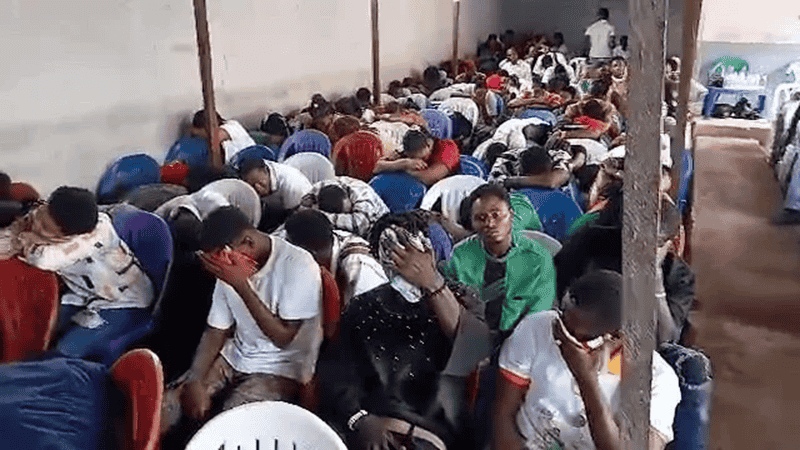
The Ghanaian government is currently coordinating an emergency response following reports that over 450 Ghanaians are trapped in human trafficking camps across Côte d’Ivoire. These individuals are reportedly being held under duress in various locations, prompting an immediate intervention from national security and diplomatic channels to ensure their safe repatriation.
This breaking news has sent shockwaves through the West African sub-region, highlighting the persistent and evolving threats posed by organized human trafficking syndicates. The scale of this particular operation—involving nearly half a thousand citizens suggests a highly coordinated criminal network that leverages economic vulnerabilities to lure victims across borders. As the government moves from the reporting phase to active rescue, the focus remains on the logistical challenges of identifying and extracting victims from these illicit camps.
What is the current situation for the 450 Ghanaians trapped in Côte d’Ivoire?
Over 450 Ghanaians are currently being held in specialized trafficking camps within Côte d’Ivoire, where they face restricted movement and forced labor. Early reports indicate that many of these victims were lured away from their homes with promises of lucrative employment opportunities, only to find themselves stripped of their identification and forced into servitude.
The conditions within these camps are described as dire, with victims often subjected to physical abuse and psychological manipulation to prevent escape. Because many of these camps are located in remote or hidden areas, the difficulty of exact tracking has made the initial discovery of the 450 individuals a major breakthrough for intelligence agencies.
The Ghanaian government’s response involves a multi-agency approach, including the Ministry of Foreign Affairs and regional security forces. The immediate priority is establishing a safe corridor for these individuals to be processed and returned to Ghana, while also providing the necessary medical and psychological support upon their arrival.
How are human trafficking syndicates operating between Ghana and Côte d’Ivoire?
Human trafficking syndicates typically operate by exploiting the “ECOWAS free movement” protocols to move victims across the Ghana-Côte d’Ivoire border under the guise of legitimate travel. These criminals often use recruiters who are known to the victims, building a false sense of trust before transporting them to isolated camps.
Once the victims cross the border, the syndicates often seize their mobile phones and national ID cards, effectively cutting off their communication with the outside world. In many cases, the victims are told they owe a “debt” for their transportation and housing, which they must work off in mines, agricultural plantations, or through other forms of forced labor.
The 2026 report revealing the 450 trapped Ghanaians suggests that these syndicates have become increasingly sophisticated, using digital platforms to recruit victims on a larger scale. By promising jobs in booming sectors like construction or trade in neighboring countries, traffickers can quickly gather large groups of people before moving them into high-security trafficking hubs.
What is the Ghanaian government’s official response to the trafficking report?
The Ghanaian government has officially acknowledged the crisis and has begun high-level diplomatic engagements with Ivorian authorities to secure the release of the 450 citizens. National security operatives are working alongside international partners to map out the exact locations of the trafficking camps to facilitate a coordinated rescue mission.
Government spokespeople have emphasized that the state is committed to the “no citizen left behind” policy, ensuring that resources are allocated for the repatriation process. This includes setting up temporary shelters at the borders and preparing the Human Trafficking Secretariat to handle the influx of returnees who will require specialized care.
Furthermore, the government is expected to launch a massive public awareness campaign to warn citizens about the specific tactics used by these cross-border traffickers. By highlighting the case of the 450 individuals, the state hopes to prevent more people from falling into similar traps while the current rescue operation remains active.
Why is cross-border human trafficking a growing threat in 2026?
Cross-border human trafficking is a growing threat due to a combination of economic pressures, increased digital recruitment, and the porous nature of regional borders. Despite stricter laws, the high “profitability” for traffickers makes it a resilient criminal industry that constantly adapts to new enforcement measures.
In 2026, the rise of “job scamming” via social media has made it easier for traffickers to reach victims in rural areas of Ghana. These digital lures often look like legitimate recruitment advertisements, complete with fake company logos and professional-looking contracts, which significantly lowers the victim’s guard before they travel.
Additionally, the economic fallout in certain sectors has left many young Ghanaians desperate for any opportunity to earn foreign currency. Traffickers exploit this desperation by offering positions that pay in Ivorian Francs (CFA) or Dollars, knowing that the promise of a better exchange rate is a powerful motivator for people to overlook potential red flags.
Also Read: Beyond “Shock and Awe”: Why Ghana’s Child Trafficking Discourse Needs a Reality Check
Factual Insights into Human Trafficking in West Africa:
- Scale of the Crisis: The report of 450 Ghanaians trapped at once represents one of the largest single-event trafficking discoveries in recent West African history.
- Target Demographics: Traffickers often target young men and women between the ages of 18 and 30, promising roles in “service industries” or “modern agriculture”.
- Legal Framework: Ghana operates under the Human Trafficking Act, 2005 (Act 694), which provides for the prevention and prosecution of these crimes, though enforcement remains challenging.
- Regional Cooperation: The Accra Initiative and other regional security pacts are being utilized to coordinate the 2026 response between Ghana and Côte d’Ivoire.
- Economic Drivers: Estimates suggest that human trafficking globally generates billions in illicit revenue, with a significant portion tied to forced labor in unregulated sectors.
- Rescue Logistics: Repatriating 450 individuals requires significant transportation and healthcare infrastructure to be deployed at the border in a very short timeframe.
- Victim Support: Long-term rehabilitation for trafficking survivors includes trauma counseling and vocational reintegration to prevent them from being re-trafficked.
What role can citizens play in preventing human trafficking?
Citizens play a vital role by practicing “informed skepticism” regarding any overseas or cross-border job offer that seems too good to be true. Verifying the legitimacy of recruitment agencies through the Ministry of Employment and Labour Relations is a critical step that can save lives.
Community leaders and families are also urged to report sudden disappearances or suspicious “job opportunities” that involve groups of youth leaving for neighboring countries at once. Often, traffickers rely on silence and the lack of reporting to move their victims before anyone realizes they are in danger.
By staying educated on the latest trafficking trends such as the 2026 Côte d’Ivoire incident Ghanaians can act as the first line of defense for their friends and family. Sharing information about how these 450 individuals were trapped can empower others to recognize the signs of a trafficking camp lure before it is too late.
What are the next steps for the rescue mission in Côte d’Ivoire?
The next steps involve the finalization of a joint tactical operation between Ghana’s security services and the Ivorian police to raid the identified camps. This will be followed by a comprehensive screening process to identify each of the 450 Ghanaians and prepare them for transport back to their home regions.
Once back in Ghana, the focus will shift to a criminal investigation to find and prosecute the individuals responsible for this mass trafficking operation. The government has signaled that it will seek the maximum penalties for anyone involved in luring these citizens into such a horrific situation.
The successful return of these 450 individuals will also serve as a moment for policy review. It is expected that the government will look at ways to tighten border monitoring and increase the budget for the Human Trafficking Secretariat to handle the growing scale of these international crimes.
Also Read: Police Foil Alleged Child Trafficking Attempt at Airport: What Happened and Why It Matters