

 By Collins Sarkodieh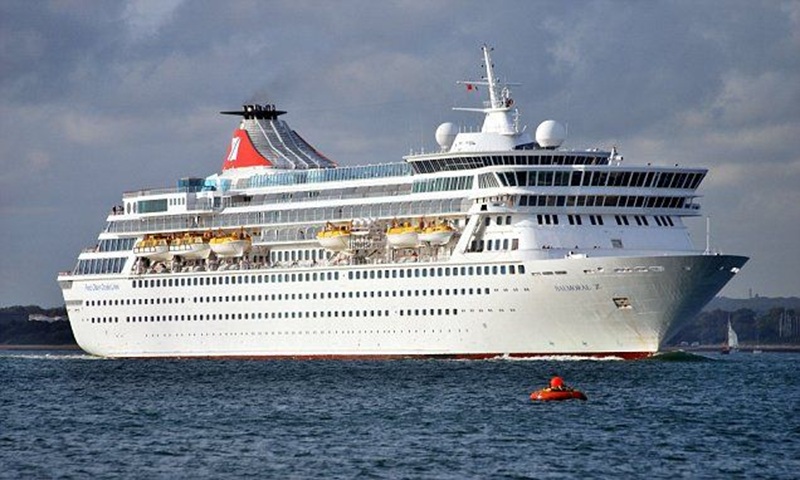
The World Health Organization (WHO) has identified a suspected case of human-to-human hantavirus transmission aboard the MV Hondius cruise ship. While hantaviruses typically jump from rodents to humans through contact with waste, officials believe close contact between passengers led to a rare outbreak that has claimed three lives and left others in critical condition.
This development is significant because it challenges the traditional understanding of how this lethal virus spreads. Typically, humans are “dead-end” hosts for hantavirus, meaning the virus stops with the infected individual. However, the Andes variant, which is the suspected culprit in this Atlantic outbreak, has a documented history of limited person-to-person spread, particularly among those in extremely close proximity, such as married couples.
As the vessel remains stationary off the coast of Cape Verde, international health authorities are racing to coordinate medical evacuations and viral sequencing. The situation highlights the complexities of managing high-fatality viral outbreaks in isolated environments like expedition ships, where medical resources are limited and evacuation logistics are hampered by international quarantine protocols.
Is hantavirus now spreading between humans like the flu?
The WHO has clarified that hantavirus does not spread like the flu or COVID-19; it requires much closer and more prolonged contact for human-to-human transmission to occur. Dr. Maria Van Kerkhove of the WHO noted that while transmission between individuals is suspected on the MV Hondius, the risk to the general public remains very low.
Unlike respiratory viruses that linger in the air over long distances, hantavirus transmission between people is an anomaly. In this specific outbreak, the suspected spread occurred between individuals in “very close contact,” such as the Dutch couple who both tragically succumbed to the illness. This suggests that the virus does not possess the high transmissibility required to trigger a wider community pandemic.
The public should view this as a localized medical event rather than the start of a new airborne global threat. The virus remains primarily a zoonotic disease one that moves from animals to humans and the “Andes variant” is currently the only known strain capable of this rare person-to-person jump.
What are the symptoms of hantavirus and how lethal is it?
Hantavirus is exceptionally dangerous, with a fatality rate of approximately 38% among those who develop respiratory symptoms, according to the CDC. Victims often experience an initial phase of fever, headaches, and abdominal pain before the virus rapidly progresses to pneumonia and acute respiratory distress.
On board the MV Hondius, passengers reported a terrifyingly quick progression of the disease. Symptoms noted between April 6 and April 28 included gastrointestinal issues and shock, often followed by a “rapid progression” to severe lung failure. Because these symptoms can initially mimic a common stomach bug or the flu, early diagnosis is notoriously difficult without specialized laboratory testing.
The high mortality rate makes every suspected case a high-priority emergency. Currently, the outbreak has killed two Dutch nationals and one German national, with several others, including a British passenger, requiring intensive care in specialized hospital units.
How did the virus get onto a luxury expedition ship?
Health experts believe the initial infections occurred during land excursions on remote islands visited during the ship’s month-long voyage. Passengers participating in birdwatching and wildlife viewing likely came into contact with infected rodents or their droppings in remote areas like Tristan da Cunha or St. Helena.
Expedition cruises are unique because they take travelers into pristine, underdeveloped environments where local wildlife may carry pathogens rarely encountered in urban settings. Dr. Van Kerkhove pointed out that rodents living in these remote island ecosystems are the natural reservoirs for the virus. Once the first passenger was infected on land, the close quarters of the ship provided the environment for the suspected rare transmission to others.
The MV Hondius had departed from Ushuaia, Argentina a region where the Andes hantavirus variant is known to exist. This geographic link provides a strong lead for epidemiologists trying to trace the viral lineage and confirm how the pathogen was introduced to the 148 people on board.
Also Read: World Malaria Day 2026: Why Scientists Are Sounding the Alarm in Ghana
Factual Insights into the Hantavirus Outbreak:
- Fatality Rate: Approximately 38% of people who develop the respiratory form of the virus (HPS) do not survive, making it far more lethal than the seasonal flu.
- Case Count: As of early May, there are seven identified cases on the MV Hondius, consisting of two confirmed and five suspected infections.
- The Suspected Variant: The “Andes virus” is the specific type of hantavirus known for limited person-to-person transmission, often found in South America.
- Incubation Period: Passengers on the ship developed symptoms over a three-week window, spanning from April 6 to April 28.
- Isolation Logistics: 148 people, including 17 Americans, are currently following strict social distancing and isolation protocols on the anchored vessel.
- Global Response: Specialized aircraft from the Netherlands and epidemiologists from Spain are involved in the emergency evacuation and assessment.
- Rodent Reservoirs: Hantavirus is typically shed in the urine, feces, and saliva of infected deer mice, cotton rats, and rice rats.
Why is Cape Verde refusing to let the ship dock?
Cape Verde refused the MV Hondius’s request to dock due to the high lethality of the virus and the potential strain on local medical infrastructure. The vessel is currently anchored off Praia, awaiting drone-monitored emergency evacuations to transport the sickest individuals to Europe for treatment.
Small island nations often lack the high-level biocontainment facilities required to treat viral hemorrhagic fevers or severe respiratory viruses safely. By keeping the ship at anchor, authorities minimize the risk of the virus spreading to the local population while specialized international teams handle the logistics of the medevac.
The ship’s next planned destination is the Canary Islands Gran Canaria or Tenerife where Spanish health officials are better equipped to conduct a full disinfection and a comprehensive epidemiological investigation. This three-day journey will only begin once the most critical patients have been safely removed by air.
What is life like for the passengers under quarantine?
Passengers on the MV Hondius are living in a state of high-stress isolation, following strict medical monitoring and social distancing protocols to prevent further spread. Travel vloggers on board have described the mood as somber, with passengers feeling more like “human beings in a crisis” than a news headline.
While the crew and the operator, Oceanwide Expeditions, have been praised for their efforts to keep everyone informed and comfortable, the reality of being trapped on a ship with a lethal virus is grueling. Passengers are essentially confined to their quarters, receiving regular health checks while watching emergency drones and aircraft circle their isolated vessel.
The psychological toll is compounded by the grief of losing fellow travelers. The family of the deceased Dutch couple has spoken of the profound shock of a “beautiful journey” being permanently cut short, a sentiment echoed by the 148 people still awaiting their chance to return to shore.
What are the next steps for the international medical community?
The immediate priority is the successful medical evacuation of symptomatic crew members and close contacts of the deceased to the Netherlands. Once the ship reaches Spanish waters, a full forensic disinfection will occur alongside definitive viral sequencing by the WHO to confirm the exact strain.
In addition to the ship, a global contact-tracing effort is underway for individuals who may have been exposed during earlier flights, specifically those who traveled to Johannesburg with the infected Dutch passenger. This illustrates the complex, multi-continental nature of modern disease surveillance.
The MV Hondius situation serves as a stark reminder of the risks associated with remote travel. While the risk to the general public remains low, the medical community will be watching the viral sequencing results closely to ensure the virus hasn’t mutated into a form that spreads more easily than the rare Andes variant currently suspected.
The outbreak aboard the MV Hondius is a tragic and rare intersection of wildlife biology and modern travel. While the WHO emphasizes that the general public is not at risk, the suspected human-to-human transmission marks a critical moment for epidemiological study. For the families of the three victims and the passengers still isolated at sea, the focus remains on a safe return home a goal that requires unprecedented international cooperation and strict adherence to quarantine science.
Also Read: Nigeria Declares Lassa Fever Outbreak as Benue Records 56 Suspected Cases