

 By Ghana News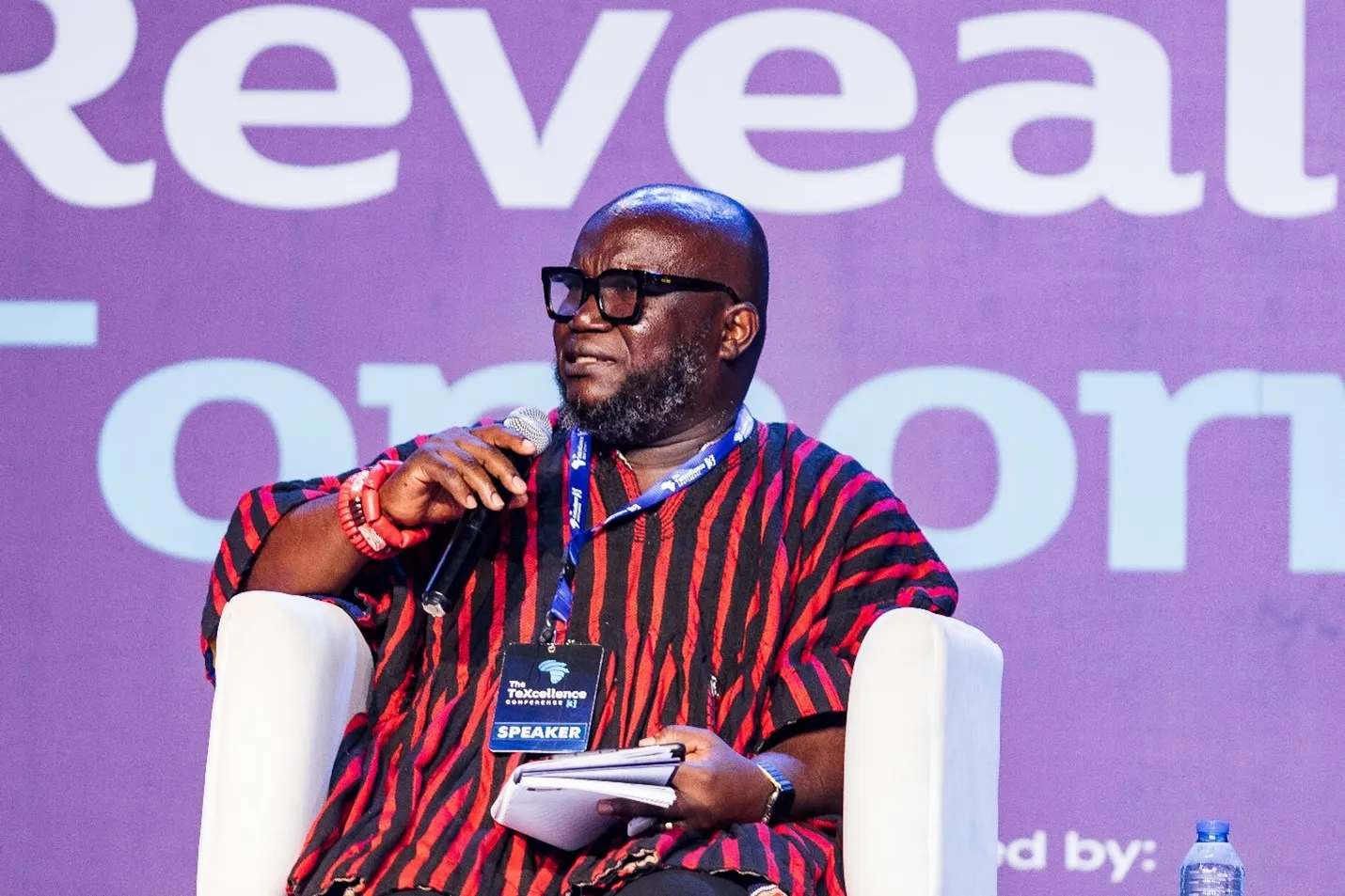
The ongoing debate over resource ownership in West Africa has taken a highly pragmatic turn. The Chief Executive Officer of the Ghana Chamber of Mines, Ken Ashigbey, has stated that the nation will continue to depend heavily on international capital and foreign investment to fully exploit its extensive mineral wealth.
He argues that the sheer scale of the country’s underground deposits is simply too massive for local industry players to develop entirely on their own.
Speaking at a high-level policy dialogue in Accra on Tuesday May 26 2026, Ashigbey emphasized that Ghana possesses six major gold belts containing trillions of ounces of untapped gold. Unlocking the true value of these deep underground reserves requires sophisticated technical expertise and billions in upfront capital that local firms currently lack.
The strategic event, organized by JoyNews, was themed around whether the country should pursue full nationalization or transform the extractive sector through hybrid models. National conversations are increasingly shifting toward how the state manages its traditional assets alongside newly discovered critical minerals like lithium, which are vital for the global energy transition.
While full resource nationalization sounds wonderful in a political speech, logic dictates that building modern deep-shaft mines requires external partnerships to share the immense financial risks. Ghana has enjoyed a long history as a top-tier gold, bauxite, and manganese producer, and has maintained steady oil production since commercial operations began at the Jubilee Field in 2010.
Three Factual Insights on Ghana Mining Sector
- The Ghana Chamber of Mines functions as the main voluntary private sector organization representing large-scale mining companies, exploration firms, and catering service providers nationwide.
- Developing a modern large-scale underground mining operation typically requires hundreds of millions of dollars in initial capital expenditure before extracting the first ounce of commercial gold.
- Lithium and manganese are officially classified as critical green transition minerals due to their essential role in manufacturing high-capacity electric vehicle batteries globally.
Relying on foreign investment does not mean a country has to sacrifice its national sovereignty. The smartest path forward involves crafting robust legal frameworks that mandate strong local content participation, fair corporate tax revenues, and strict environmental compliance.
By combining international technical expertise with local talent, Ghana can successfully modernize its extractive industries. This balanced approach ensures that the country effectively scales its mineral output, creates sustainable jobs for the youth, and protects its long-term economic interests while remaining a highly attractive destination for global mining conglomerates.
Also Read: Ghana Offers Gateway to Africa 1.4 Billion Consumer Market – Trade Minister
Source – ghananewspage.com