

 By Ishmeal
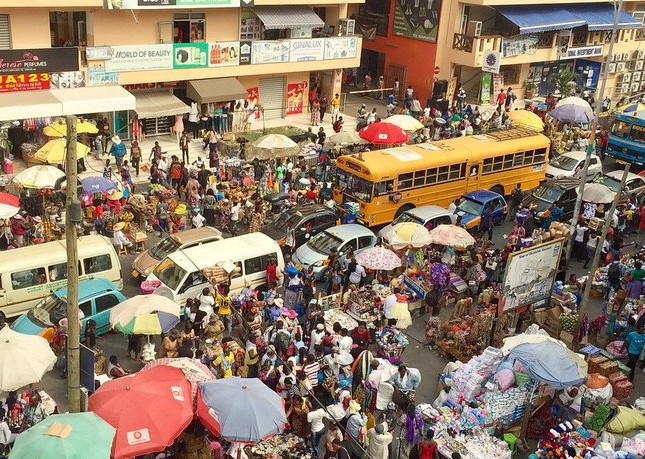
Ghana’s year-on-year inflation rate increased to 5.5% in October 2026, from 5.2% in September, marking the third consecutive monthly rise since July.
The latest figures released by the Ghana Statistical Service (GSS) show that the increase was largely driven by rising prices in the non-food sector, particularly transport and services.
Government Statistician Dr Alhassan Iddrisu announced the figures on Wednesday, November 4, 2026, during the presentation of the October Consumer Price Index and Inflation Report.
Although inflation has increased for three consecutive months, the October rate remains significantly lower than the 8% recorded in October 2025.
Non-food prices drive inflation increase
According to the Government Statistician, non-food inflation accounted for approximately 76% of the overall inflation rate, while food inflation contributed about 24%.
This means that for every GH¢1 increase in prices during October, approximately 76 pesewas came from non-food items and 24 pesewas from food.
Non-food inflation increased to 7.9% in October from 6.2% in September.
Services inflation also recorded a sharp increase, rising from 8.3% to 11.5%. Meanwhile, goods inflation declined slightly from 4.2% to 3.8%.
Dr Iddrisu explained that prices of services were increasing almost three times as fast as prices of goods.
Food inflation continues to decline
Despite the increase in headline inflation, food inflation provided some relief to households.
Food inflation declined to 2.8% in October from 4% in September and 9.5% in October 2025.
On a month-on-month basis, food prices fell by 2%, contributing to a 0.1% reduction in the overall price level between September and October.
However, some food items continued to record significant year-on-year increases.
Fresh tomatoes recorded a 119.3% increase, followed by shrimps at 88.8% and ginger at 88.2%.
On the other hand, prices of some food staples declined, including guinea corn, which fell by 28%, and maize, which dropped by 27.2%.
Transport and housing remain major contributors
Transport recorded the highest inflation rate among the 13 expenditure divisions, increasing from 5.7% in September to 14.1% in October.
Transport prices also increased by 8% within the month.
Housing, water, electricity, gas and other fuels recorded inflation of 10.5%, making it the largest contributor to the overall inflation rate, accounting for 24.4%.
Food and non-alcoholic beverages contributed 24.3%, while transport accounted for 22.5%.
Together, these three expenditure divisions represented approximately 70% of Ghana’s overall inflation.
Ashanti records highest regional inflation
The regional breakdown showed significant differences in inflation across the country.
The Ashanti Region recorded the highest inflation rate at 9.7%, followed by the Eastern Region at 7.8%, Ahafo at 6.8% and Central at 6.2%.
The Northern Region recorded the lowest rate at negative 0.5%, indicating that average prices were lower than they were in October 2025.
The figures highlight how the cost of living differs depending on the region and the goods and services households purchase.
Inflation remains below Bank of Ghana’s target
Despite the recent increases, Ghana’s October inflation rate of 5.5% remains below the Bank of Ghana’s medium-term target of 8%, with a tolerance band of plus or minus two percentage points.
The latest figures present a mixed picture for the economy. While declining food inflation offers some relief, rising transport, housing and service costs continue to put pressure on household budgets.
For many Ghanaians, the key concern will be whether the recent increase in inflation continues in the coming months or whether the economy can return to a sustained downward trend.
The figures are expected to remain important for government, businesses, workers and households as they make decisions on spending, pricing, wages and economic planning.
Also Read:Three Arrested Over Motorcycle Robberies In Suame