By Collins Sarkodieh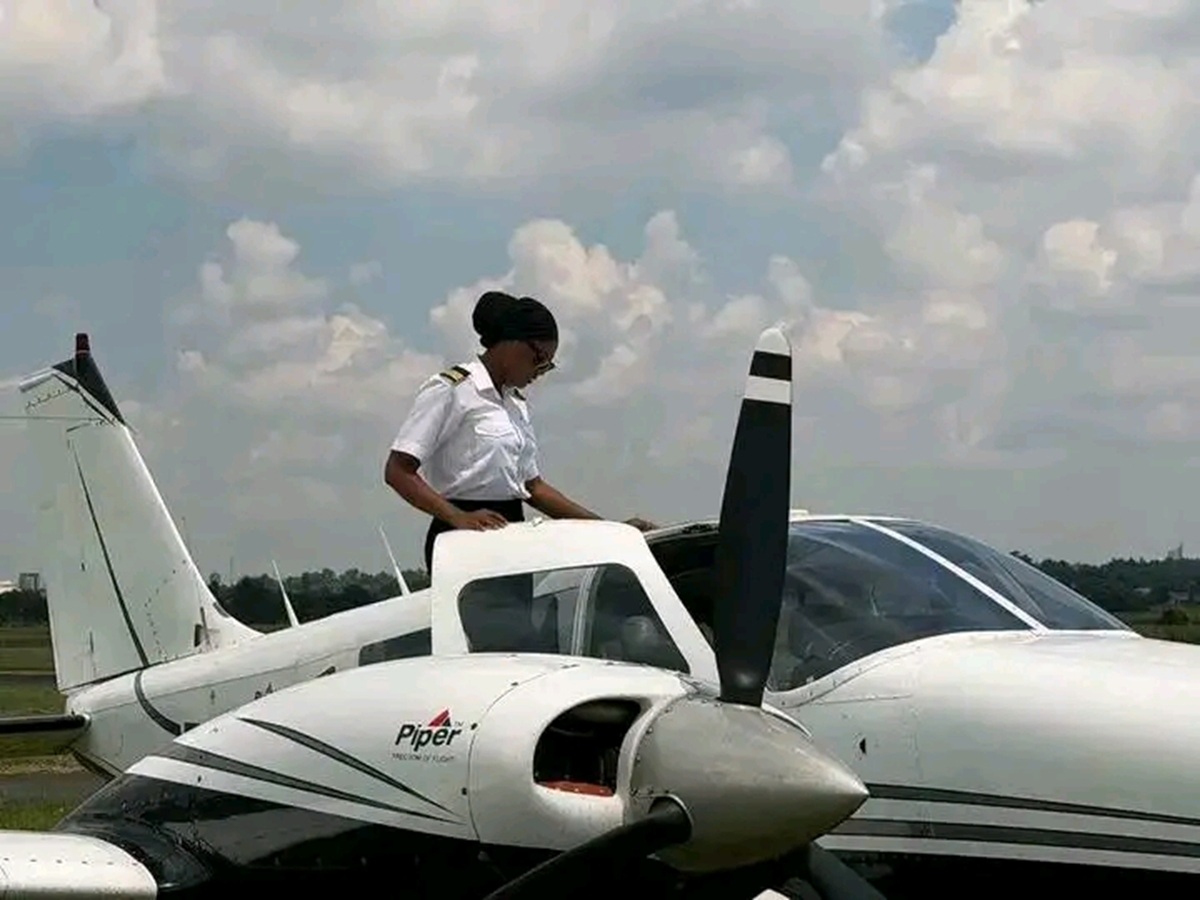
Who Is Hamida Fuseini and Why Is Her Story Important?
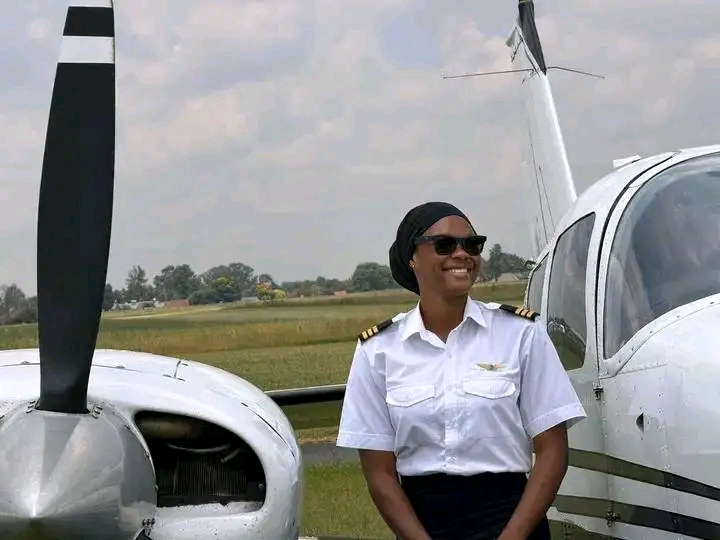
Hamida Fuseini is a young Ghanaian pilot breaking barriers in aviation.
She is the first female pilot from Northern Ghana to achieve multiple aviation licenses.
Her journey reflects resilience, ambition, and the changing face of aviation in Ghana.
The story of Hamida Fuseini is more than personal success. It represents a broader shift as Ghanaian women in aviation continue to rise and challenge long standing gender barriers.
At just 24 years old, Hamida has earned a Private Pilot License, a Commercial Pilot License, and a Multi Engine Instrument Rating. Coming from Yendi Adibo and currently based in Tamale, her journey stands as a powerful example of what determination can achieve.
What Does It Mean to Be a Female Pilot in Ghana Today?
It means entering a field that has traditionally been male dominated.
It requires persistence, training, and financial commitment.
It also represents growing opportunities for women in STEM careers.
Aviation remains one of the most male dominated industries globally. According to the International Civil Aviation Organization, women make up less than 5 percent of commercial pilots worldwide.
In Ghana, the numbers are also low, but the trend is changing. More women are enrolling in aviation schools and pursuing pilot training, signaling gradual progress.
What Licenses Has Hamida Fuseini Achieved?
She has earned three major aviation certifications.
These include Private, Commercial, and Multi Engine Instrument ratings.
Each license represents a significant milestone in pilot training.
Hamida’s achievements include:
Private Pilot License, which allows basic flying for non commercial purposes
Commercial Pilot License, which qualifies her to be paid for flying
Multi Engine Instrument Rating, which enables flying complex aircraft in various weather conditions
These certifications require extensive training, flight hours, and rigorous testing. Achieving all three at a young age is a remarkable accomplishment.
Why Is Her Achievement Significant for Northern Ghana?
She is the first female pilot from Northern Ghana to reach this level.
Her success challenges regional and gender stereotypes.
It opens doors for more young women from the north.
Northern Ghana has historically faced challenges in access to specialized education and career opportunities. Hamida’s success proves that talent and determination can overcome these barriers.
Her story is particularly inspiring for young girls in regions where aviation may seem out of reach.
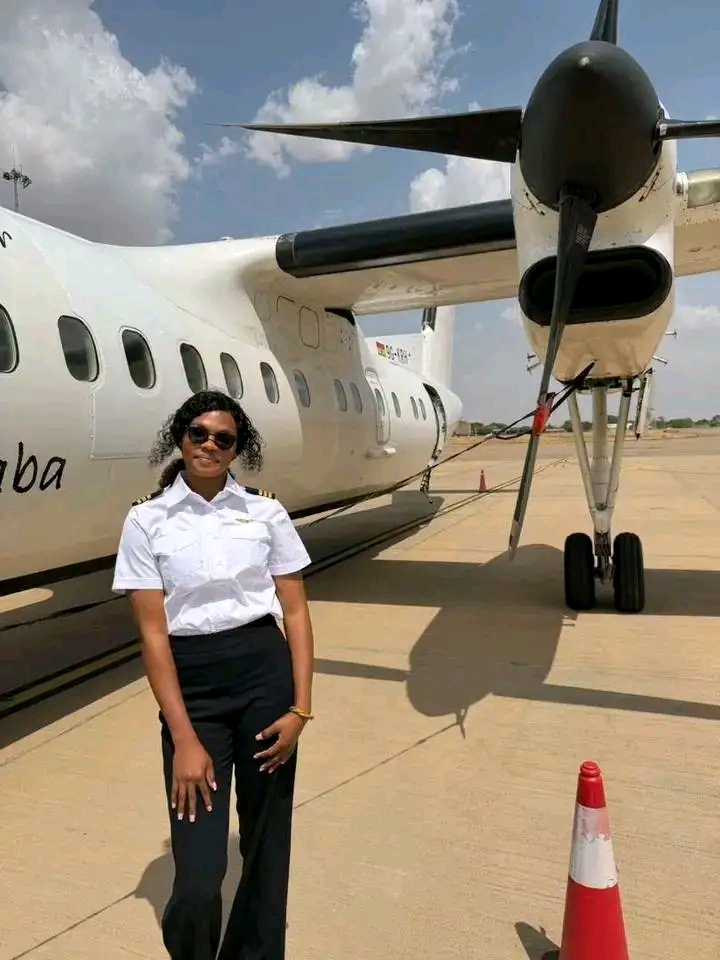
How Are Ghanaian Women Breaking Barriers in Aviation?
More women are entering aviation training programs.
They are pursuing careers as pilots, engineers, and air traffic controllers.
Support systems and awareness are gradually improving.
The rise of Ghanaian women in aviation reflects global efforts to promote gender equality in STEM fields. Organizations and governments are encouraging female participation through scholarships, mentorship, and advocacy.
In Ghana, institutions like the Ghana Civil Aviation Authority play a role in regulating and supporting aviation training and standards.
What Challenges Do Women Face in Aviation?
High training costs can be a major barrier.
Cultural perceptions may discourage female participation.
Access to mentorship and opportunities can be limited.
Becoming a pilot requires significant financial investment. Training costs can run into tens of thousands of dollars, making it inaccessible for many.
In addition, societal expectations sometimes discourage women from pursuing careers in technical fields. However, stories like Hamida’s are helping to change these perceptions.
Also Read: Ghana Set to Relaunch National Airline Within a Year – Transport Minister
What Are the Key Facts About Women in Aviation?
Women make up less than 5 percent of airline pilots globally
Aviation training requires hundreds of flight hours
Commercial pilot training can take several years
Demand for pilots is expected to grow worldwide
Diversity improves innovation and performance in aviation
More women are entering STEM fields globally
Scholarships and mentorship programs are increasing
African aviation is expanding rapidly
These facts highlight both the challenges and opportunities within the industry.
How Did Hamida Fuseini Begin Her Journey?
She developed an interest in aviation after secondary school.
She pursued training with determination and focus.
Her journey required bold decisions and persistence.
After completing her education at Nobisco, Hamida chose to follow her passion for flying. This decision required courage, especially in a field where few women from her region had ventured.
Her success shows the importance of following one’s passion despite obstacles.
What Skills Are Required to Become a Pilot?
Strong technical knowledge is essential.
Decision making and focus are critical.
Physical and mental fitness are required.
Pilots must master:
Navigation and flight systems
Weather analysis and risk assessment
Communication with air traffic control
Training also emphasizes discipline, precision, and responsibility.
How Does Aviation Training Work?
Training combines classroom learning and flight experience.
Students must log a required number of flight hours.
Examinations test both theory and practical skills.
Pilot training typically involves:
Ground school for theoretical knowledge
Simulator training for real world scenarios
Actual flight hours under instructor supervision
This structured approach ensures that pilots are fully prepared for real world operations.
Why Is Representation Important in Aviation?
Seeing role models inspires future generations.
Representation breaks stereotypes and builds confidence.
It encourages more women to pursue similar careers.
Hamida’s story provides visibility for young girls who may not have considered aviation as a career. Representation matters because it shows what is possible.
What Does This Mean for the Future of Aviation in Ghana?
The industry is becoming more inclusive.
More women are likely to join aviation careers.
Growth in aviation will create new opportunities.
Ghana’s aviation sector continues to develop, with increasing demand for skilled professionals. Encouraging diversity will strengthen the industry and improve innovation.
How Can More Women Enter Aviation?
Access to training must improve.
Scholarships and financial support are essential.
Mentorship programs can guide aspiring pilots.
Encouraging more women to join aviation requires:
Affordable training options
Awareness campaigns in schools
Support from industry stakeholders
These steps can help bridge the gender gap.
What Can Young Girls Learn from Hamida Fuseini?
Dreams are achievable with determination.
Barriers can be broken with persistence.
Education and focus open doors.
Hamida’s journey sends a clear message. No matter where you come from, you can achieve your goals with hard work and courage.
Final Thoughts on Ghanaian Women in Aviation
Hamida Fuseini’s achievement marks a significant milestone
Her success reflects a broader shift in gender representation
The future of aviation in Ghana looks more inclusive and promising
The rise of Ghanaian women in aviation is not just a trend. It is a movement toward equality, opportunity, and progress.
As more women take to the skies, they are not just flying aircraft. They are redefining possibilities and inspiring the next generation to aim higher.
Also Read: Ibrahim Mahama Sets Bold Infrastructure Vision at Damang