By Collins Sarkodieh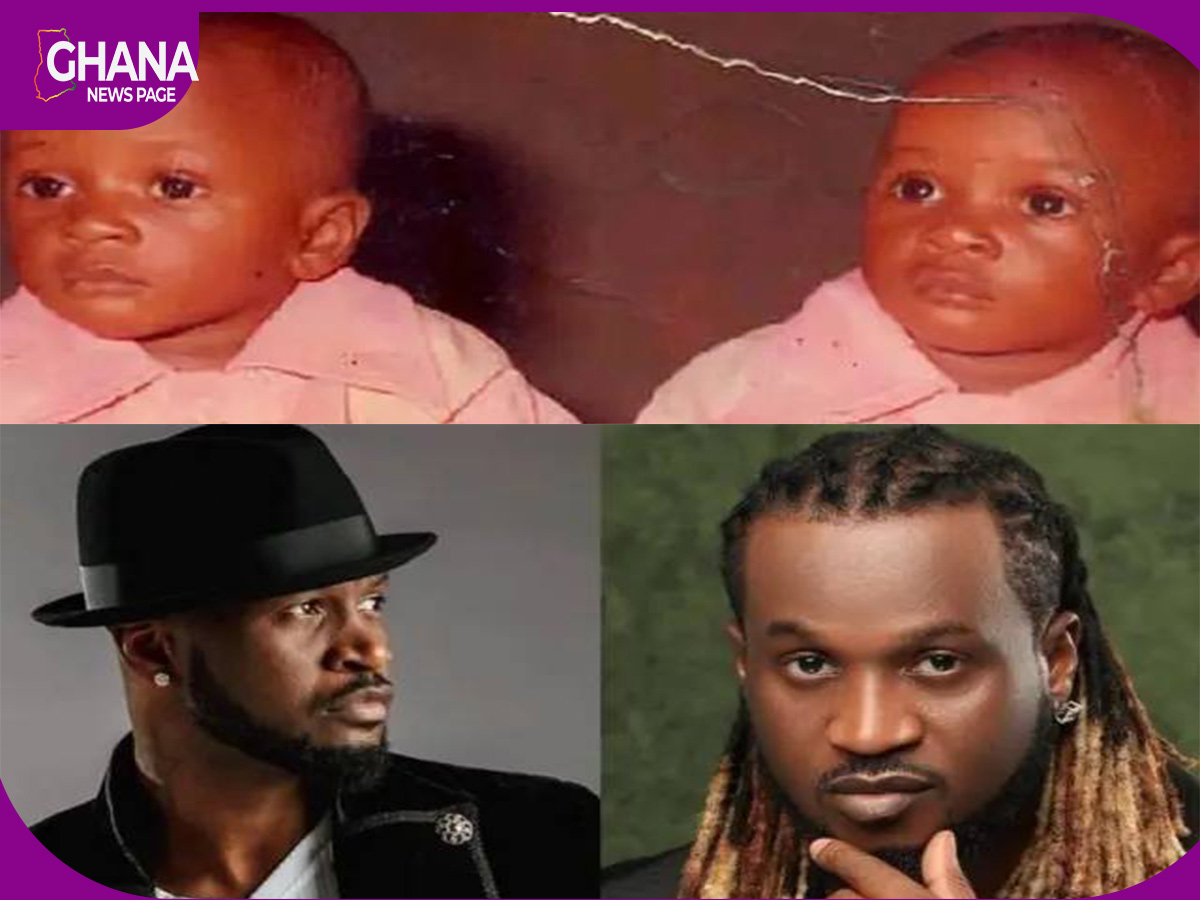
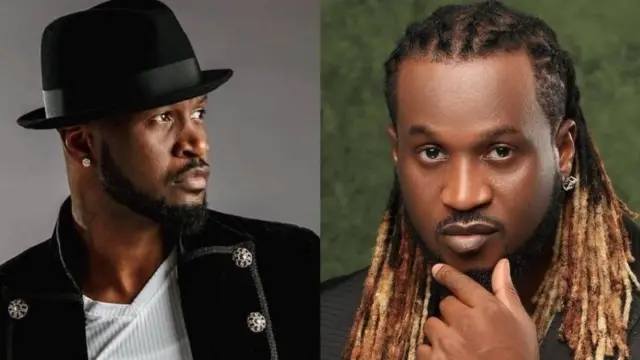
Peter Okoye has officially decoupled his public identity from his twin brother by moving his birthday celebration from November 18 to November 30. This decision serves as the ultimate symbolic “divorce” between the siblings, signaling that the most successful duo in Afrobeats history is permanently a thing of the past.
By rejecting the date he was born alongside his brother, Paul, Peter is effectively telling the world that their shared history is no longer a shared future. In the world of branding, this is a massive pivot, but in the world of family dynamics, it is a heartbreaking finality. Fans who held out hope for a 2026 reunion are now facing the reality that the “Mr. P” era is entirely separate from the P-Square legacy.
Why did Peter Okoye change his birthday from November 18?
Peter Okoye changed his birthday celebration to November 30 to establish a unique identity that is independent of his twin brother, Paul. After decades of being viewed as one half of a pair, Peter’s move is a psychological and branding strategy to end the constant comparisons and shared narratives.
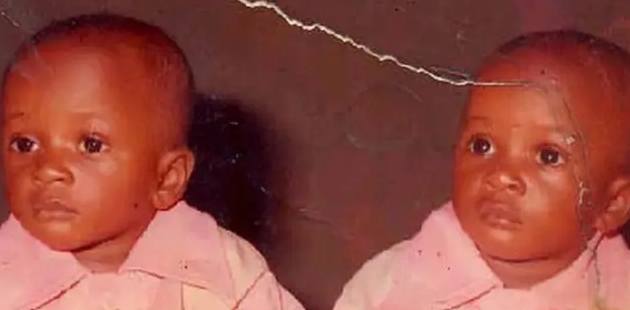
The date November 18, 1981, has always been a global celebration for Afrobeats fans, but for Peter, it had become a reminder of the public feuds and management disputes that tore the group apart. By choosing November 30, he creates a new personal tradition. He has explicitly stated that he will no longer acknowledge gifts or well-wishes on the 18th, forcing the public to respect his boundaries as an individual artist.
Is the P-Square split in 2024 permanent this time?
Yes, the 2024 split of P-Square appears to be the final chapter for the duo, with Peter describing the reunion as “done and dusted.” Unlike previous breakups that were followed by emotional reconciliations, the current legal and financial divisions have created a chasm that a simple apology cannot bridge.
Public data regarding the brothers’ disagreements highlights deep-seated issues regarding management and the influence of their older brother, Jude Okoye. In the music industry, intellectual property and financial transparency are the leading causes of group dissolutions. For P-Square, who dominated the African music charts for nearly two decades with hits like “Bizzy Body” and “Chop My Money,” the breakdown of trust was too great to sustain the brand.
How does Peter Okoye’s birthday change affect his brand as “Mr. P”?
The birthday shift is a strategic move to strengthen the “Mr. P” solo brand by removing the “Twin” label that has defined him since birth. From an SEO and marketing perspective, this allows Peter to own his personal timeline and create content that does not automatically trigger search algorithms to link him to Paul.
When a twin celebrates a birthday on a different day, it disrupts the “Double-G” or “Duo” search intent. Peter is effectively rebranding himself as a solo entity who happens to have a twin, rather than a man who is incomplete without his brother. For a solo artist, being a “lone wolf” can sometimes be more lucrative for brand deals and exclusive partnerships, as it simplifies the legal and creative approval process.
Also Read: I felt it was TIME after Wizkid gave me the chance to Talk to him – Joeboy
What was the role of management and finances in the P-Square feud?
The fallout between the brothers was largely fueled by disputes over Jude Okoye’s management style and the allocation of royalties and performance fees. When family and business overlap in the music industry, the lack of professional distance often leads to emotional explosions rather than corporate solutions.
Statistics from the Nigerian music industry suggest that P-Square was one of the highest-earning acts in Africa between 2005 and 2015, often commanding six-figure fees in USD for international shows. Disputes over how that wealth was reinvested or distributed among family members became the primary friction point. Peter’s demand for a more “corporate” and “transparent” structure was a direct challenge to the traditional family-run model that the brothers had used for years.
Can Afrobeats fans expect a reunion tour in the future?
Current indicators suggest that a reunion is highly unlikely in the foreseeable future, as Peter has moved from professional separation to personal distancing. Changing a birthday is a deep, symbolic gesture that suggests the emotional wounds have not healed, despite the brothers being into their 40s.
In the entertainment world, “never say never” is a common phrase, but this level of public separation is rare. Most bands split over “creative differences,” but the Okoye brothers split over fundamental personal values. Fans are encouraged to support both Mr. P and Rudeboy (Paul) as individual artists rather than waiting for a collaborative project that Peter has clearly stated is over.
What are the future implications for the Okoye brothers’ solo careers?
The future for both Peter and Paul involves competing for the same Afrobeats market share while carrying the weight of their former glory. While Paul (Rudeboy) has leaned more into the classic P-Square sound, Peter (Mr. P) has experimented with different genres and business ventures, including his successful lottery platform and real estate interests.
The “P-Square” name remains a valuable trademark, but its value decreases every year the brothers remain apart. By 2027, the focus will likely shift entirely to their solo discographies. For Peter, the move to November 30 is the first day of the rest of his life, a life where he is defined by his own choices rather than his birth order or his DNA.
Why does this celebrity news matter for the music industry?
This news matters because it highlights the vulnerability of group acts and the complexities of managing family-based brands in the global music market. P-Square was Africa’s answer to the great pop duos of the West, and their collapse serves as a cautionary tale for upcoming artists about the importance of legal contracts over “blood ties.”
For the average fan, it is a lesson in the importance of mental health and personal boundaries. Even when you are a multi-millionaire superstar, the need to feel seen as an individual can outweigh the financial benefits of a partnership. Peter Okoye’s decision is a bold statement on the right to reinvent oneself, regardless of public expectation or historical legacy.
Also Read: Omah Lay Declares Himself The Greatest Afrobeats Artist of the Decade