

 By Collins Sarkodieh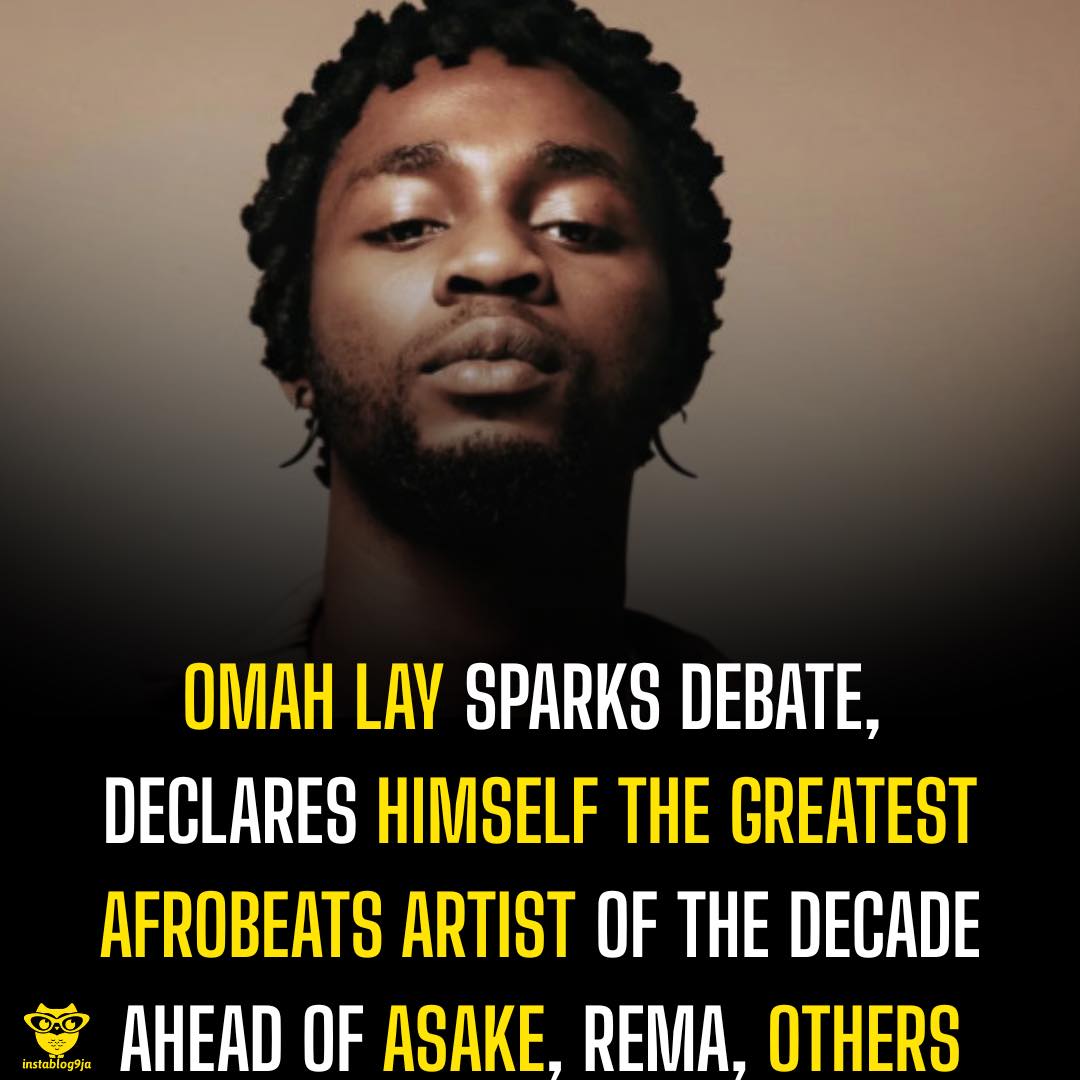
The conversation around Afrobeats greatness has taken a familiar turn, but this time the spark comes from Omah Lay, an artist whose rise has been as introspective as it has been impactful.
His recent claim that he stands as the defining voice of the decade is not just bold talk. It taps into a deeper debate about what “greatness” actually means in a genre that has gone global at record speed.
Afrobeats is no longer a regional sound. It is a billion-stream industry. Platforms like Spotify and Apple Music have seen African music consumption grow by more than 500 percent in key international markets over the past decade. In that ecosystem, artists are often judged by charts, awards, and viral reach. That is the space where names like Asake and Rema dominate conversations, backed by global hits, sold-out tours, and strong commercial numbers.
Omah Lay is challenging that metric entirely.
His argument leans toward artistry rather than arithmetic. It is a subtle but important distinction. While others chase high-energy, club-driven sounds that travel quickly across borders, his catalog is built on mood, vulnerability, and emotional storytelling. Songs like “Bad Influence” and “Soso” are not just hits. They are reflections of internal conflict, mental health struggles, and the complexities of fame. That emotional honesty has helped him carve out a distinct lane within Afrobeats, one that resonates deeply with a younger, more introspective audience.
To understand the weight behind his statement, it helps to look at his numbers as well. His debut album Boy Alone has accumulated hundreds of millions of streams globally, with several tracks crossing major streaming milestones. The project did not rely heavily on mainstream collaborations, which is often the formula for quick chart success. Instead, it built momentum organically, driven by listener connection rather than hype cycles.
More recently, his follow-up work Boy Alone Deluxe expanded on that foundation, adding new tracks that deepened his sonic identity. The deluxe release reinforced his reputation for blending Afrobeats with elements of R&B, soul, and alternative pop. It also showed a level of consistency that many artists struggle to maintain after a breakout project.
This is where the debate becomes interesting. If greatness is defined by global impact, then artists like Rema, whose hit “Calm Down” became one of the most streamed Afrobeats songs in history, have a strong case. If it is about cultural influence and the ability to shift soundscapes, Asake’s fusion of Fuji-inspired rhythms with modern Afrobeats puts him firmly in the conversation.
But if the criteria shifts toward artistic depth, emotional resonance, and originality, Omah Lay’s argument starts to carry more weight.
There is also a generational angle to consider. Afrobeats is evolving rapidly, and the current decade is being shaped by artists who are redefining its boundaries. The genre is no longer just about danceability. It is becoming more expressive, more experimental, and more global in its influences. Omah Lay sits at the center of that shift, representing a quieter, more reflective side of the movement.
His statement, therefore, is not just self-praise. It is a positioning strategy. In an industry driven by visibility and narrative, declaring himself the best forces attention, sparks debate, and reinforces his brand as an artist who prioritizes substance over spectacle.
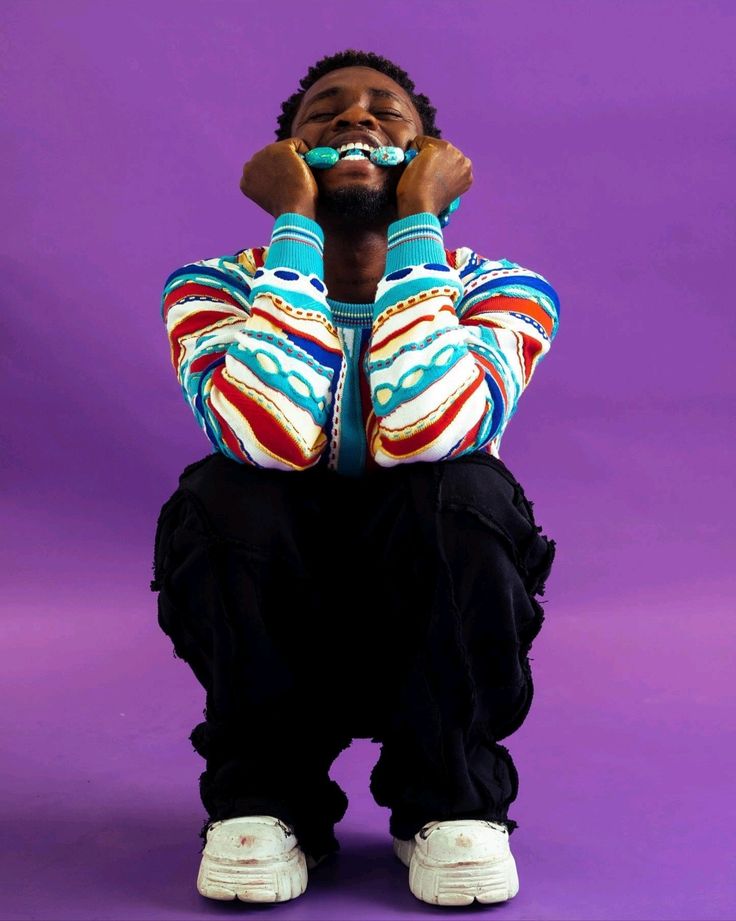
Looking ahead, the real test will be longevity. The Afrobeats space is crowded, and staying relevant requires constant reinvention. If Omah Lay continues to evolve his sound while maintaining the emotional core that defines his music, his claim may not seem as controversial in a few years as it does today.
For now, what he has done is simple but effective. He has shifted the conversation. Instead of asking who has the biggest numbers, people are now asking a more nuanced question about what greatness in Afrobeats should actually look like.
Also Read: DJ Tunez Breaks Silence After Viral Clash with Burna Boy