

 By Collins Sarkodieh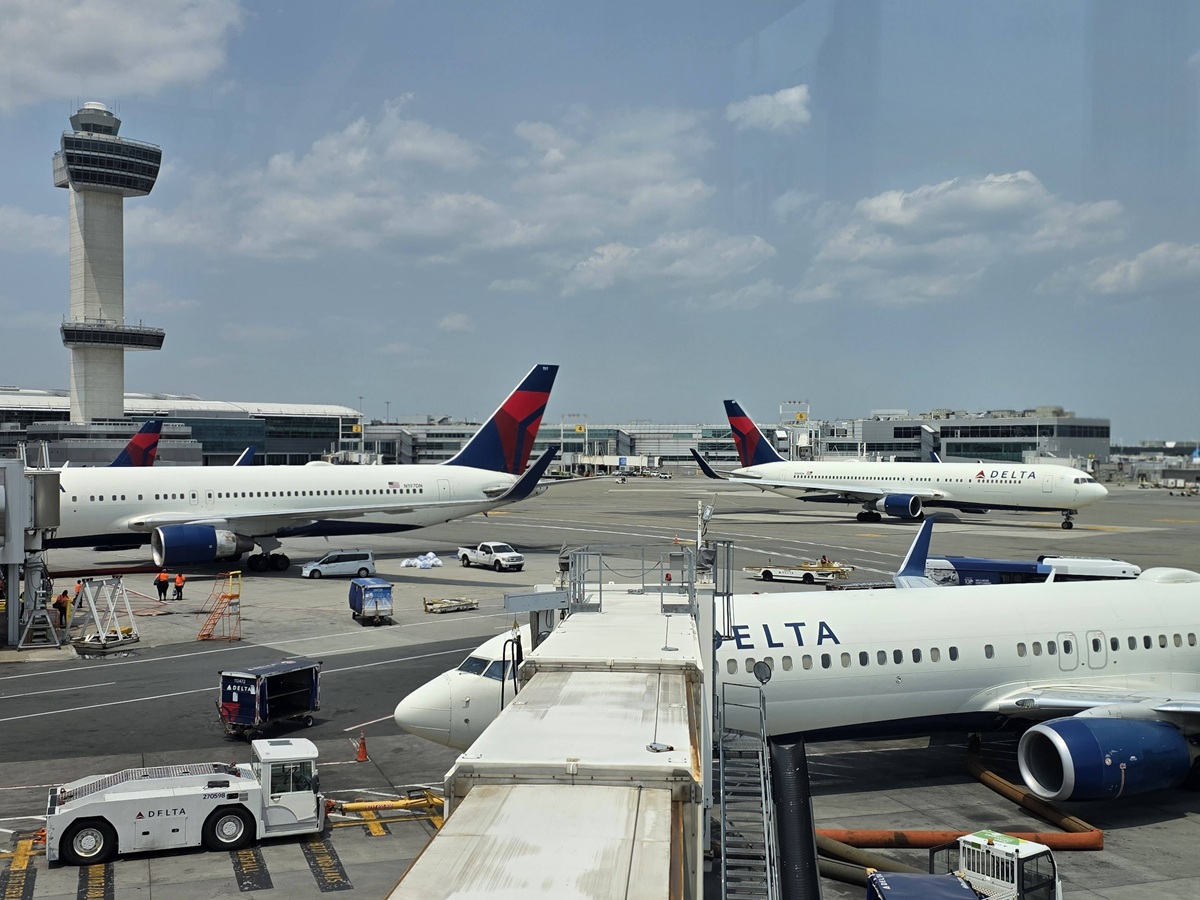
Delta Air Lines has recently canceled hundreds of flights while its major competitors continue to operate with minimal disruptions, leading to widespread traveler frustration. The primary cause appears to be a systemic failure in pilot scheduling and crew management that creates a “snowball effect” during even minor weather events.
Aviation analysts suggest that this unique vulnerability is baked into Delta’s current infrastructure, involving a mix of understaffing, software inefficiencies, and complex pilot contract provisions. Travelers are being warned that because these issues are deeply rooted in the airline’s internal systems, the operational instability is expected to persist throughout the busy summer travel season.
Why is Delta canceling more flights than other airlines right now?
Delta’s current meltdown is largely attributed to “crew restrictions” and a breakdown in the airline’s ability to schedule pilots properly when disruptions occur. While Delta has internally blamed “scattered thundershowers” in regions like Florida, watchdog groups note that these weather patterns do not cause similar 100-plus daily cancellations for peer airlines.
The issue is a unique inability to handle the turnover in scheduling when things “go sideways”. When weather strikes, it creates open flight assignments that Delta’s system struggles to fill efficiently, leading to a cascade of delays. This creates a situation where flights remain uncovered even when there are pilots technically available and willing to fly.
What is ARCOS and how does it affect Delta’s scheduling?
ARCOS is the automated crew-callout system that Delta uses to fill open flight assignments by contacting eligible pilots. While intended to speed up the process, the system has historically created “nuisance calls” for pilots, who might be woken up for a trip only to lose it to a more senior colleague.
To manage these calls, Delta and the pilot union established smaller call groups, but this added a layer of complexity to the automation. If the airline contacts too many pilots at once or fails to follow specific sequences, it faces financial penalties, making the automated system more rigid and slower to resolve urgent staffing gaps during storms.
How does the “23M7” pay protection provision impact flight operations?
The “23M7” provision in the Delta pilot agreement ensures that senior pilots are paid for a trip even if they are bypassed in the assignment process during an emergency. This has led to a phenomenon where pilots “auto-accept” trips through the automated system just to remain eligible for pay protection, even if they don’t intend to fly the assignment.
This “auto-accepting” behavior slows down the entire scheduling system. A single open trip can sit with one pilot, then another, adding significant delays as the software processes each response. Consequently, the time it takes to find a pilot for an empty cockpit stretches from minutes to hours, often resulting in a canceled flight before a crew member is officially locked in.
Is Delta facing a pilot shortage or a scheduling staff problem?
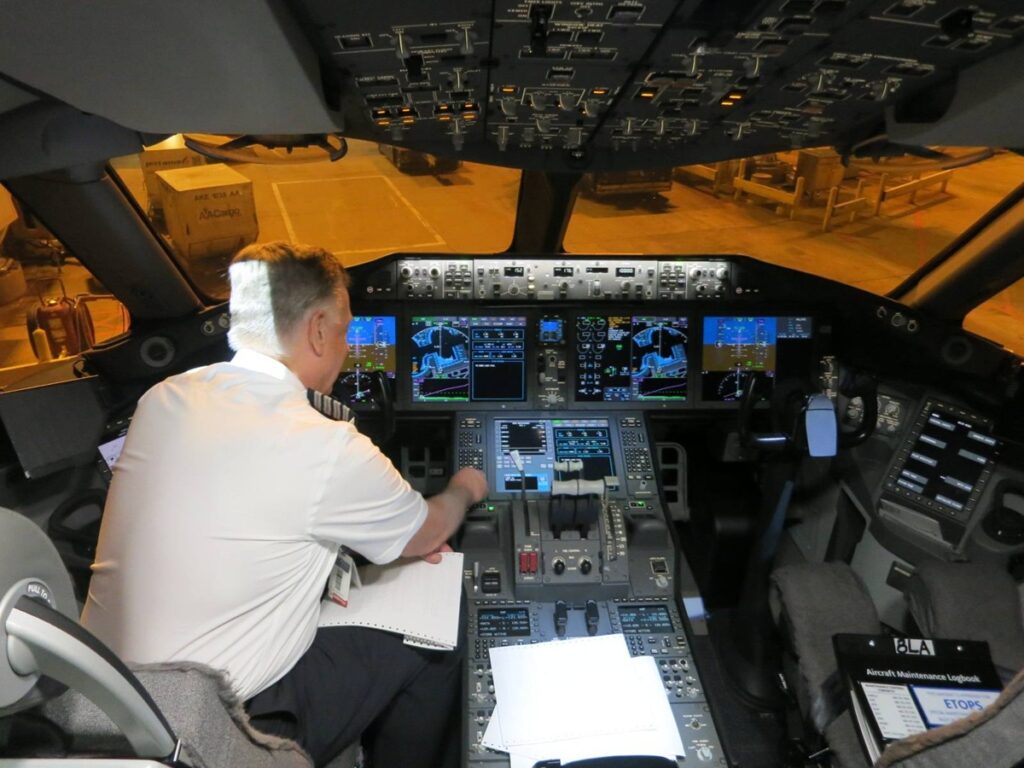
The operational mess is a combination of both: Delta has struggled with insufficient pilot hiring on specific fleets and a high turnover of experienced crew schedulers. Understaffed and inexperienced scheduling teams take longer to resolve open trips and are more prone to making mistakes that have “downline consequences” for subsequent flights.
During recent earnings calls, Delta executives acknowledged that the pilot staffing issue is a known challenge that will not be fixed quickly. Without a sufficient “buffer” of spare pilots and veteran schedulers, the airline remains uniquely vulnerable to the summer storms that are a routine part of seasonal aviation.
During the first quarter earnings call last month, CEO Ed Bastian acknowledged the reliability hit they’ve taken and identified the problem as their pilot contract.
[O]ver the past several months, particularly following severe weather, our reliability and recovery haven’t met consistently enough our high standards. …Teams are taking targeted actions to improve resilience and recovery, as well as addressing challenges that have resulted from contractual changes to our Pilot Working Agreement that came into effect over the past year. While this will take a little bit of time to work through, we’re partnering with our pilots and union leadership to ensure we deliver the reliability that Delta is known for.
Chief Operating Officer Dan Janki elaborated, saying they expect issues to linger through the summer and that’ll take through the “back half of the year” to address.
As we talked about, we don’t have the resilience that we’re known for related to that… It’ll take us a little bit of time here as we work through it through the summer.
And there’s no doubt, when you’re flying more intensive operation, and as you see with weather, some of that will be highlighted more. But we expect to make progress on it as we progress through the summer and through the back half of the year.
Factual Insights into the Delta Airline Meltdown:
- Global Lead: Delta has recently canceled more flights than any other airline in the world on peak travel days.
- Unique Vulnerability: Competitor airlines are operating through the same weather patterns with significantly fewer cancellations.
- The ARCOS Factor: The automated calling system for pilots is often slowed down by pilots “auto-accepting” trips for pay protection.
- Financial Penalties: Delta must pay senior pilots for trips they didn’t fly if the airline uses “emergency-style” bypass methods.
- Contractual Inefficiency: Provisions like 23M7, while protecting pilot seniority and pay, have contributed to a less flexible scheduling system.
- Summer Forecast: Executives have signaled that these reliability challenges are likely to last throughout the summer season.
- Staffing Gaps: High turnover among crew schedulers has left the airline with less “institutional knowledge” to handle major disruptions.
Why is it difficult for Delta to resolve these issues quickly?
Resolving these cancellations requires Delta to renegotiate complex workflows with the pilot union and likely spend significant capital to hire and train more staff. Because the “inefficient system” was built partially as a response to previous management issues, there is no simple “on-off” switch to fix the software or the contract.
Furthermore, training pilots for specific fleets takes months, meaning the airline cannot instantly increase its “spare” pilot pool to absorb the impact of summer storms. Until the airline can work with the union to refine the “inverse assignment” process and improve scheduling software, Delta’s reputation for reliability will continue to be tested.
How should travelers prepare for a Delta flight this summer?
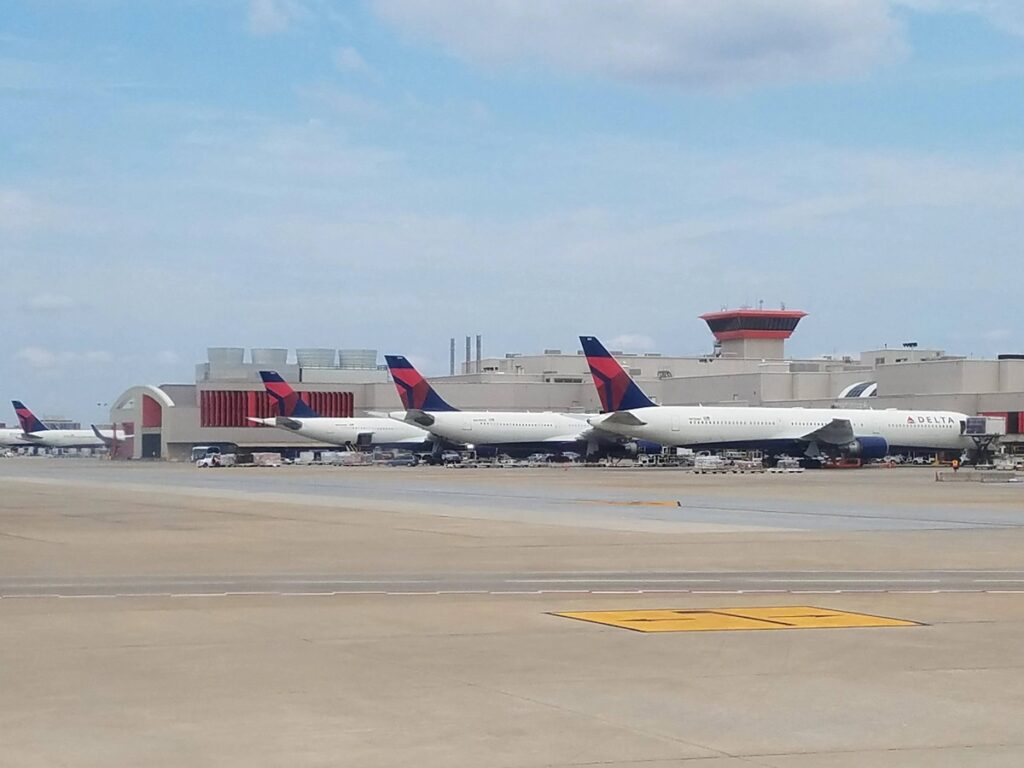
Given that Delta is currently less reliable than its peers when weather disruptions occur, travelers are encouraged to monitor flight statuses frequently. Because Delta’s problems often cascade, a storm on a Tuesday could still be causing crew-related cancellations by Thursday.
Booking earlier flights in the day may offer more protection, as crews are less likely to have hit their “duty hour” limits early in the morning. However, experts suggest that until Delta hires more pilots and retains its best schedulers, travelers should have a “Plan B” ready, especially when flying through major hubs that are prone to summer thunderstorms.
Also Read: Homecoming Turns Painful as Migrants Lose Valuables on International Flight