

 By Collins Sarkodieh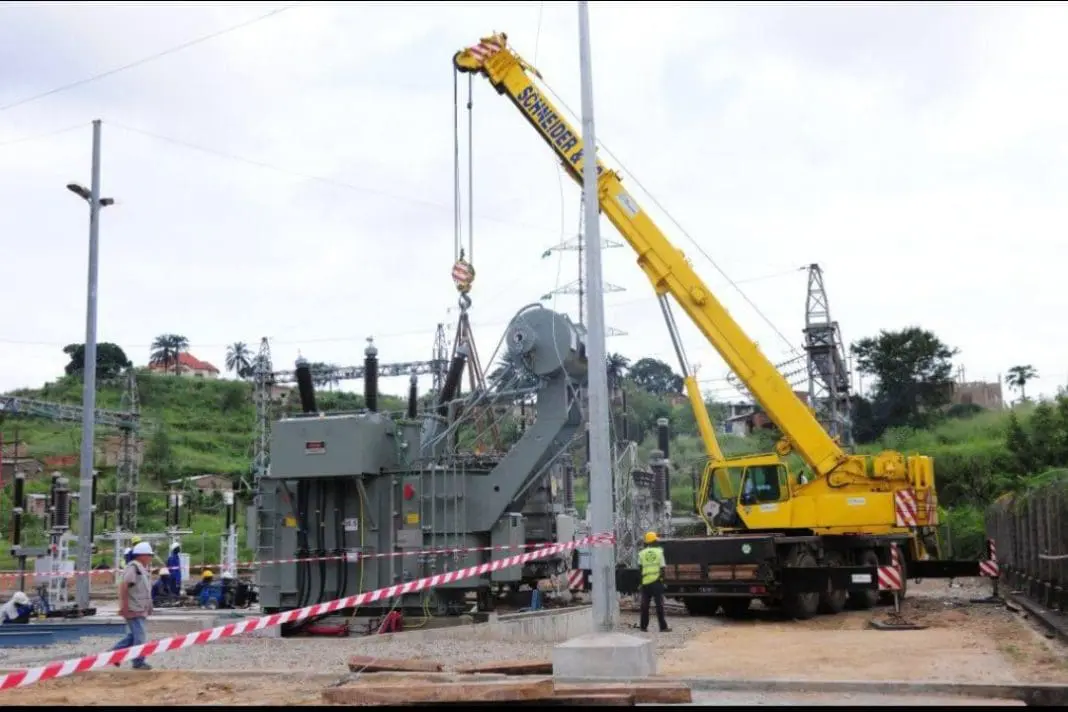
The Electricity Company of Ghana (ECG) is currently installing two higher-capacity power transformers at the Ridge Bulk Supply Point (BSP) in Kumasi to resolve persistent voltage issues and frequent outages. This critical intervention replaces older 20/26MVA units with significantly upgraded 30/39MVA transformers, marking a major technical leap for the region’s power reliability.
This project is not just a localized fix; it is the opening act of a massive infrastructure overhaul in the Ashanti Region. By swapping out aging equipment for higher-capacity units, ECG is directly tackling the “bottleneck” that has prevented stable electricity from reaching homes and businesses. While the work requires short-term outages, the long-term goal is a metropolis where “lights out” becomes a rare occurrence rather than a daily frustration.
Why is ECG Upgrading the Kumasi Ridge Substation Now?
The upgrade at the Ridge Substation is a targeted response to electricity demand that has simply outpaced the existing infrastructure. Managing Director Ing. Julius Kpekpena noted that the current system faced severe constraints, meaning the network could not physically “push” enough power from the grid into local communities.
Kumasi has seen rapid growth in both residential and commercial sectors over the last decade. The older 20/26MVA transformers were designed for a smaller city with lower energy needs. By installing 30/39MVA units, ECG is essentially widening the “power pipe,” allowing more electricity to flow safely without overloading the system.
Beyond just increasing capacity, these new units are essential for voltage stabilization. Low voltage can damage sensitive electronics and industrial machinery. These upgrades ensure that when you flip a switch, the power coming out is consistent and strong enough to run modern appliances efficiently.
When Will the Planned Outages Occur for These Installations?
ECG has scheduled the installation work for May 6 and 7, requiring controlled outages between 9:00 am and 3:00 pm on both days. These windows are necessary to allow engineers from the Accra and Ashanti Sub-Transmission Divisions to safely disconnect the old units and re-energize the new ones.
Working on high-voltage equipment is a high-stakes environment that leaves zero room for error. Cutting the power is the only way to ensure the safety of the technical teams performing the manual labor of replacing massive transformers. Collins Manu, ECG’s communications officer for Ashanti Sub-Transmission, emphasized that these outages, while inconvenient, were carefully planned to minimize disruption.
By limiting the work to the midday window, ECG aims to have power restored by late afternoon. This ensures that businesses can resume operations before the evening rush and residents have reliable electricity as they return home for the night.
What is the Total Investment for the Ashanti Region Power Overhaul?
The Ridge substation project is part of a much larger GH¢3.46 billion capital investment program that ECG is rolling out across the entire Ashanti Region. This multi-billion cedi initiative is designed to modernize the distribution network and eliminate long-standing infrastructure weaknesses.
This massive budget covers more than just transformers; it includes a complete rethink of how power moves through the region. Key components of this investment include:
- Upgrading Transmission Lines: The Boadi-Kaase-Ridge transmission line is receiving a significant overhaul to handle higher loads.
- New Supply Routes: A new link is being constructed between the Anwomaso Bulk Supply Point and the Airport Substation at a cost of $10.5 million.
- System Redundancy: These new links create alternative routes for electricity, meaning if one part of the system fails, power can be rerouted to keep the lights on.
- Widespread Distribution: ECG is not just focusing on large substations; they are also deploying 65 smaller distribution transformers immediately.
How Many Transformers Will Be Installed by the End of the Year?
ECG plans to install between 300 and 400 distribution transformers across the Ashanti Region by the end of the year. This aggressive rollout aims to bring immediate relief to neighborhoods that suffer from localized outages due to overloaded smaller units.
While the Ridge Substation handles the “heavy lifting” for the metropolis, these smaller distribution transformers are what actually bring power to your doorstep. When a local transformer is overloaded, it often trips or blows a fuse, causing a blackout for a few streets. Installing hundreds of new units will spread the load more evenly across the grid.
Managing Director Kpekpena has pledged that residents should see measurable improvements in power reliability within the next six months. This timeline suggests that as the 300 to 400 units come online, the frequency of “nuisance outages” should drop significantly.
How Will the New Anwomaso to Airport Substation Link Improve Reliability?
The new $10.5 million link between the Anwomaso Bulk Supply Point and the Airport Substation acts as a vital “insurance policy” for the Kumasi power grid. It provides a secondary supply route that can be utilized during system faults or planned maintenance.
In the past, a fault on a single major line could plunge large sections of the city into darkness because there was no other way to get power to those areas. This new link creates a “loop” or an alternative path. If the primary line goes down, engineers can switch the supply to the new route, keeping businesses and homes powered while repairs are made.
This investment is specifically designed to stabilize the distribution across the metropolis. By connecting the Anwomaso BSP directly to the Airport Substation, ECG is ensuring that critical infrastructure like the airport and surrounding commercial hubs has a more resilient and redundant power source.
What Does This Mean for the Average Kumasi Resident?
For the average resident, these technical upgrades translate to fewer “dumsor” moments and a more stable electrical current for their homes. ECG’s leadership has acknowledged the frustration caused by distribution bottlenecks and is finally putting the capital behind the solutions.
The shift from 20/26MVA to 30/39MVA transformers at Ridge means that the heart of the city’s power system now has the “lungs” to breathe. You can expect:
- Fewer Voltage Fluctuation: Lights that don’t dim when the neighbor turns on an AC unit.
- Reduced Outage Duration: Even if a fault occurs, the new redundant links mean power can be restored faster.
- Support for Growth: As more people move to Kumasi and new businesses open, the grid will finally be ready to support them.
- Increased Confidence: A six-month window for “measurable improvement” gives the public a clear yardstick to hold the utility provider accountable.
Is ECG’s Capital Investment Enough to End Outages Permanently?
While GH¢3.46 billion is a monumental investment, ending outages entirely is a complex challenge that involves more than just hardware; it requires constant maintenance and theft prevention. However, this program addresses the two biggest physical hurdles: capacity and connectivity.
By replacing old equipment and building new supply lines, ECG is solving the “distribution bottleneck” mentioned by Ing. Julius Kpekpena. If the company successfully meets its goal of installing 400 transformers by year-end, the physical capacity of the Ashanti Region’s grid will be higher than ever before.
The real test will be the next six months. As these upgrades at Ridge and other sites are re-energized, the stability of the Kumasi metropolis will serve as proof of whether this multi-billion cedi intervention was the silver bullet the region needed.
Summary of Key Insights and Factual Data
The following data points highlight the scale and impact of the current ECG intervention in Kumasi:
- Transformer Upgrade: Replacing 20/26MVA units with 30/39MVA units at Ridge Substation.
- Regional Investment: Total capital expenditure of GH¢3.46 billion for the Ashanti Region.
- Installation Schedule: Major work occurred on May 6 and 7 during 9:00 am to 3:00 pm windows.
- Targeted New Infrastructure: A $10.5 million link between Anwomaso BSP and Airport Substation.
- Deployment Goal: Between 300 and 400 new distribution transformers to be installed by end of 2026.
- Reliability Timeline: Measurable improvements promised by ECG leadership within six months.
- Collaborative Effort: Joint management by Accra and Ashanti Sub-Transmission Divisions.
This strategic move by ECG is a clear indicator that the utility provider is moving from reactive repairs to proactive infrastructure building. For the people of Kumasi, these “necessary inconveniences” in May are the first steps toward a brighter, more reliable future.
Also Read: Ghana Power Maintenance Update: ECG Boss Outlines Timelines for Grid Restoration