By Collins Sarkodieh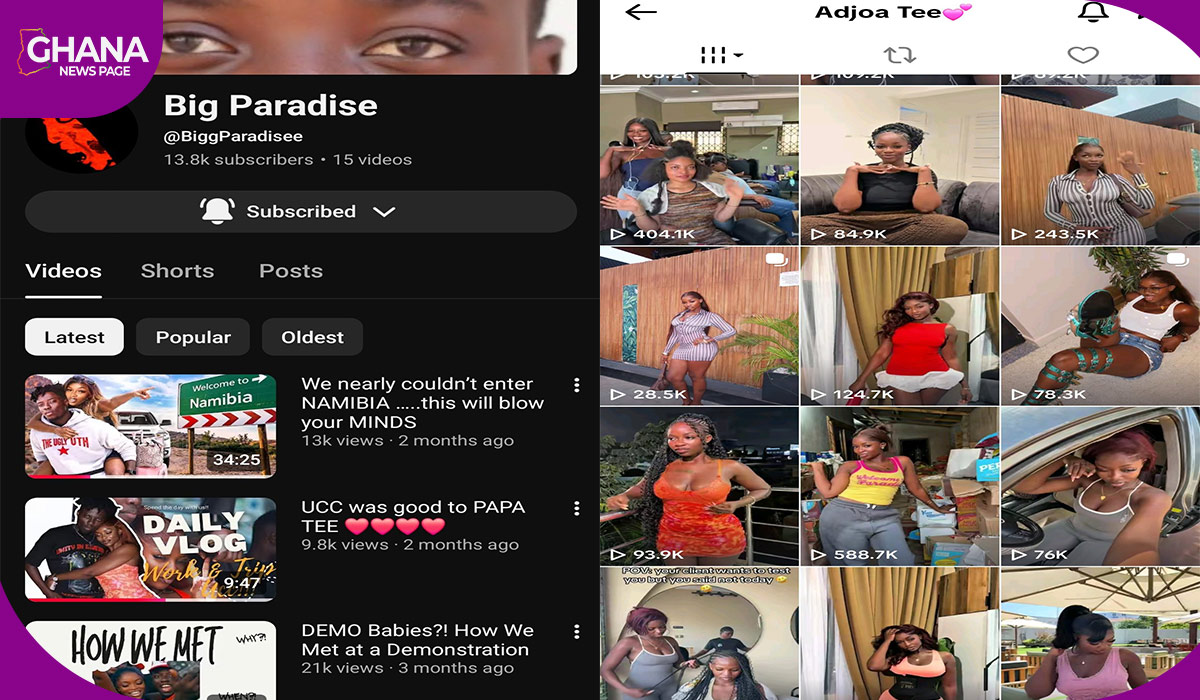
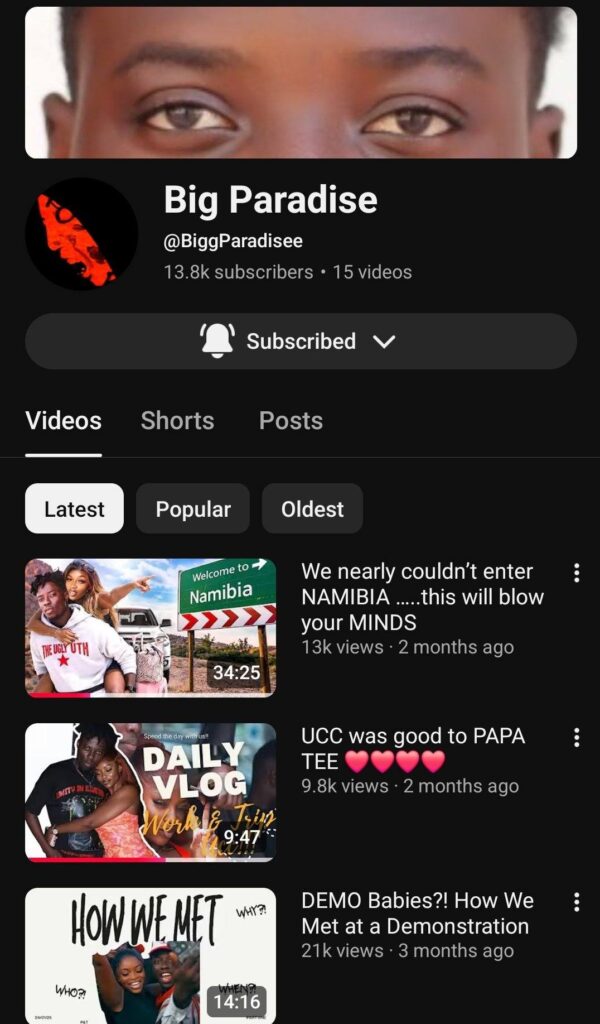
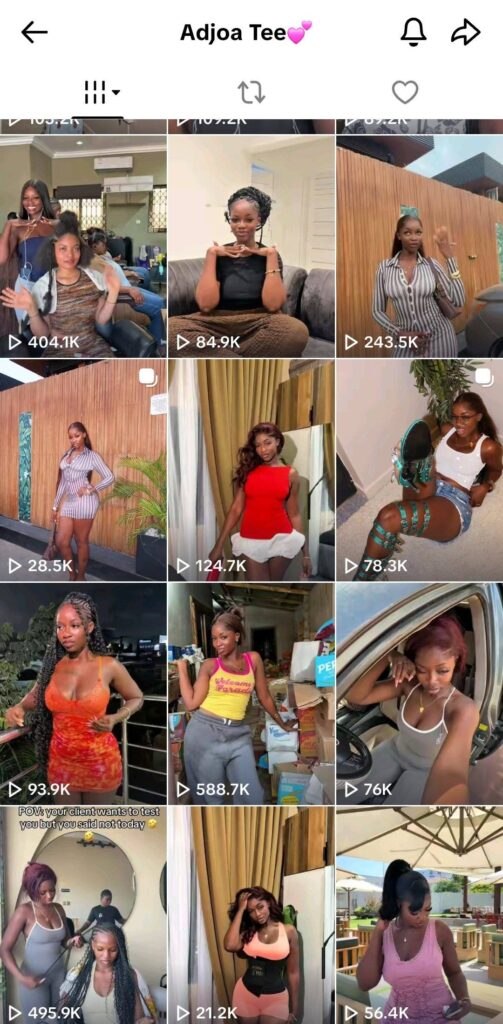
Adjoa Tee and Paradise have officially signaled the end of their digital partnership as Paradise claims sole ownership of their formerly joint YouTube channel, “Forever P and T.” In a swift move to decouple her brand, Adjoa Tee has scrubbed all collaborative content from her TikTok page, leaving fans and followers questioning the future of their individual content careers.
The transition from a shared platform to a solo venture is a common but complex milestone in the world of digital content creation. When a brand built on a partnership suddenly shifts to a single owner, it often triggers a cascade of social media “cleanup” activities, such as deleting shared memories and rebranding handles to reflect the new reality.
What happened to the “Forever P and T” YouTube channel?
The YouTube channel formerly known as “Forever P and T” has undergone a significant rebranding after Paradise claimed full ownership of the platform. This change effectively removes the “T” (Adjoa Tee) from the channel’s identity, signaling a permanent shift in the direction of the content and the business behind it.
In the creator economy, joint channels are often built on personal relationships that eventually bleed into professional assets. When these relationships change, the ownership of the digital “real estate” including the subscriber base, watch time, and revenue streams becomes a primary point of contention.
Paradise’s decision to claim ownership suggests a legal or mutual agreement regarding the channel’s assets. While the specific terms of the handover haven’t been publicized, the visual and nominal change to the channel confirms that Adjoa Tee is no longer a partner in that specific digital venture.
Why did Adjoa Tee delete her TikTok videos with Paradise?
Adjoa Tee has deleted all videos featuring herself and Paradise from her TikTok page to create a clean slate and separate her personal brand from the previous partnership. This “digital scrubbing” is a common strategy used by creators to signal a breakup or a professional pivot to their audience.
By removing these videos, Adjoa Tee is taking control of her narrative and ensuring that her feed reflects her current status as an individual creator. Keeping old collaborative content can often lead to confusing metrics and a constant stream of comments from fans asking about the status of the relationship.
This move also has practical implications for her TikTok algorithm. By focusing solely on her own content moving forward, she can retrain the platform’s discovery engine to associate her profile with her solo brand identity rather than a duo, which is essential for her long-term growth as a standalone influencer.
How do content creators manage joint channel ownership?
Joint channel ownership is typically managed through legal contracts or multi-channel network (MCN) agreements that dictate who retains the rights to the name, content, and revenue if the partnership ends. In the case of “Forever P and T,” the shift to Paradise indicates that these ownership rights have been settled.
Many creators start as couples or friends without formalizing their business relationship, which can lead to complications later. Successful transitions usually involve:
- Clear Asset Allocation: Deciding who gets the existing subscriber base and who starts a new channel.
- Revenue Splitting: Agreements on how past “evergreen” content revenue will be shared between the former partners.
- Brand Trademarks: Determining who has the right to use the original channel name or variations of it.
In this instance, Paradise’s claim to the channel suggests that he may have been the primary administrator or that an agreement was reached to let him continue the platform’s legacy under his own name.
What is the impact of a sudden rebrand on YouTube subscribers?
A sudden rebrand can lead to a temporary dip in engagement as subscribers who joined for the chemistry of a duo adjust to a solo format. However, if Paradise maintains a consistent upload schedule and high production value, the channel can eventually stabilize and find a new audience.
Subscribers often feel a sense of parasocial attachment to duos, meaning the “divorce” of a channel can feel personal to the audience. Transparency is usually the best policy in these situations to prevent rumors from filling the void left by missing content.
For Paradise, the challenge will be retaining the “Forever P and T” audience while evolving the content to suit a solo personality. For Adjoa Tee, the challenge is migrating her loyal supporters to her new or existing solo platforms where she has recently cleared the way for new content.
Can a solo brand survive after a high-profile duo breakup?
Yes, many creators successfully pivot to solo careers after a high-profile split by leaning into their unique individual strengths and building a more direct relationship with their fans. Adjoa Tee’s decision to delete past content suggests she is ready to focus on her own unique voice.
Success in a solo pivot depends on several factors:
- Content Diversification: Moving away from “couple-style” content to more individual-focused niches.
- Platform Consistency: Staying active on platforms like TikTok where the creator already has a footprint.
- Audience Engagement: Directly addressing the transition to build trust with remaining followers.
While the “Forever P and T” era has ended, both individuals now have the opportunity to explore creative avenues that might have been restricted or compromised during their partnership.
Also Read: “I Can’t Fake It”: Mama Pat Addresses Public Skepticism Over Her Spiritual Transformation
What are the legal risks of deleting shared social media content?
Deleting shared content can sometimes lead to legal disputes if the content was part of a commercial agreement or if the other party claims an intellectual property interest in the footage. Adjoa Tee’s deletion of TikTok videos is a bold move that assumes she has the rights to manage her own page’s content.
In the absence of a formal “Content Separation Agreement,” one party deleting shared work can be seen as an attempt to diminish the other person’s digital footprint. However, on platforms like TikTok, most creators have the right to curate their own feeds as they see fit.
For influencers, the “right to be forgotten” or at least the right to remove reminders of a past partner is often considered a mental health and branding necessity. As long as the primary revenue-generating assets (like the YouTube channel) are handled correctly, minor deletions on secondary platforms are rarely a legal hurdle.
Key Facts About the Adjoa Tee and Paradise Split
Understanding the current status of these two creators requires looking at the confirmed changes across their digital presence:
- YouTube Rebranding: The “Forever P and T” channel has been officially claimed by Paradise.
- Name Change: The brand has shifted away from a joint name to a solo-focused identity.
- TikTok Cleanup: Adjoa Tee has removed all collaborative videos involving Paradise from her TikTok.
- Independent Branding: Both creators are now operating as separate entities rather than a duo.
- Digital Real Estate: Ownership of the primary YouTube channel remains with Paradise following the claim.
This shift marks the end of an era for their joint fans but opens a new chapter for their individual careers. As the digital landscape continues to evolve, the way Adjoa Tee and Paradise handle this transition will serve as a case study for other creators facing similar professional and personal changes.