

 By Aaron Hammond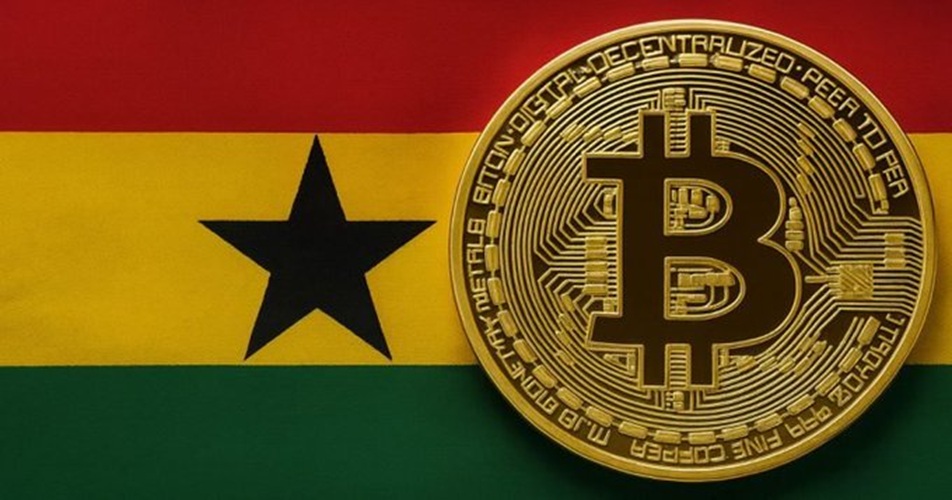
The International Monetary Fund (IMF) has called for stronger regulation and supervision of Ghana’s growing crypto market, including stablecoins and other virtual assets.
The call follows an IMF technical assistance mission requested by the Bank of Ghana and involving the Securities and Exchange Commission (SEC). The IMF said Ghana’s existing prudential and conduct regulations are broadly moving in the right direction, but more work is needed to fully align the system with international standards. It also identified the need for additional guidelines, stronger supervision and practical systems for licensing crypto businesses.
The issue is becoming more important as Ghana’s virtual asset market continues to expand. According to the Bank of Ghana, the country’s virtual asset ecosystem now has more than 3 million users. The central bank says virtual assets include cryptocurrencies, tokens, stablecoins and other blockchain based instruments. Ghana’s regulators have therefore been moving away from simply warning people about crypto towards creating a formal system that can monitor businesses operating in the sector.
Ghana Is Building a New Crypto Regulatory System
Ghana already has the Virtual Asset Service Providers Act, 2025, also known as Act 1154, which provides the legal foundation for registering, licensing and supervising virtual asset service providers. The Bank of Ghana says businesses such as crypto exchanges, wallet providers, investment advisers, asset managers and stablecoin issuers can fall under the regulatory framework. The SEC is also developing licensing and regulatory processes for areas such as virtual asset exchanges, tokenisation, investment management and other digital asset services.
The IMF says the next challenge is implementation. Licensing a large number of crypto businesses within a limited period will require regulators to have enough technical expertise, information and monitoring systems. This matters because crypto transactions can move quickly across borders, making it harder for authorities to identify risks if reporting and supervision are weak. Ghana’s own policy documents have also highlighted concerns around consumer protection, market integrity, money laundering, financial crime and financial stability.
What Stronger Oversight Could Mean for Ghanaians
For ordinary users, stronger oversight does not mean that every cryptocurrency will suddenly become risk free. The Bank of Ghana has warned that virtual assets can expose users to sharp price movements, scams, misleading investment claims, hacking and loss of access to digital wallets. The new framework is intended to create clearer responsibilities for service providers while giving regulators better information about activities in the market.
The discussion around stablecoins is also important. Stablecoins are designed to maintain a relatively stable value, often by linking their value to another asset such as a currency. In Ghana, regulators have already included stablecoin activities within their registration and oversight efforts. In February 2026, the Bank of Ghana and SEC also warned virtual asset providers against unauthorised public advertising of virtual asset and stablecoin products.
For Ghana’s digital finance industry, the coming period could therefore be significant. Regulators are working on guidelines, licensing procedures and supervisory tools, while industry players will need to understand what the new rules require. The IMF’s latest assessment adds pressure for Ghana to close remaining regulatory gaps, but it also shows that the country has already started building the structures needed to bring crypto activities into the formal financial regulatory system. Ghana has said it expects to fully operationalise the Virtual Asset Service Providers Act by 2027 as the Bank of Ghana and SEC complete their guidelines and regulatory sandboxes.
Also Read: New Heritage Cedi Notes Are Coming This November
Source: Ghana News Page