

 By Collins Sarkodieh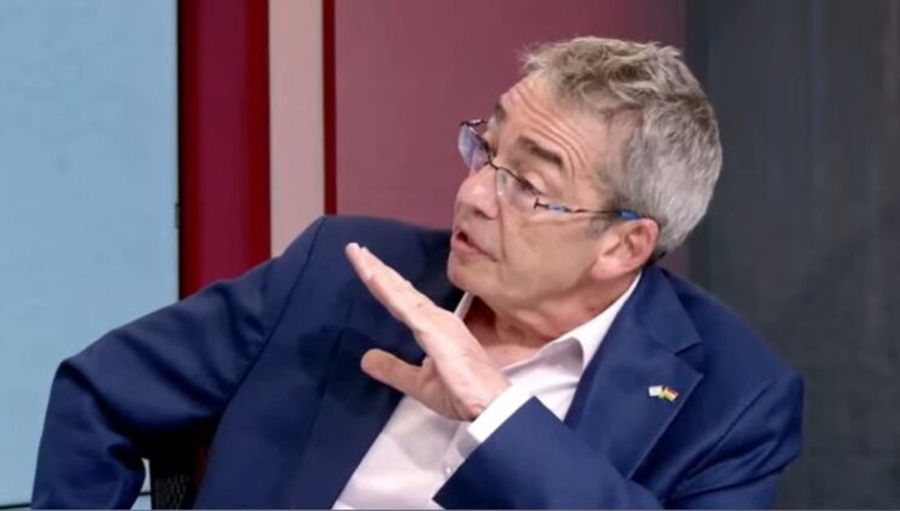
The recent apology issued by Roey Gilad of Israel following the injury of Ghanaian peacekeepers in Lebanon has opened up a far more complex conversation than a routine diplomatic incident.
At the center of it is not just an error in combat, but a deeper issue involving the safety of peacekeeping forces, the realities of modern warfare, and Ghana’s role on the global stage.
Three Ghanaian soldiers serving under the United Nations Interim Force in Lebanon were injured after a strike attributed to the Israel Defense Forces. Israel has since taken responsibility, describing the incident as an operational mistake. But beyond the apology, this development raises serious questions about how peacekeeping missions are conducted in increasingly volatile conflict zones.
Ghana’s Quiet but Powerful Role in Global Peacekeeping
For many Ghanaians, international peacekeeping missions are not always front page news. Yet Ghana has built a strong global reputation as one of Africa’s most consistent contributors to United Nations operations.
From Lebanon to Mali and beyond, Ghanaian troops are often deployed in some of the world’s most dangerous environments. Their role is not offensive. It is stabilising. They are there to monitor ceasefires, protect civilians, and maintain a fragile balance in conflict zones.
This is what makes the Lebanon incident particularly significant.
When peacekeepers become casualties, it challenges the very foundation of these missions. It raises the question of whether neutral forces are being adequately protected in environments where the lines between combatants and non combatants are increasingly blurred.
The Reality of Modern Warfare
Ambassador Gilad’s explanation points to a difficult truth about modern conflict. Warfare today is no longer confined to clearly defined battlefields.
Non state actors such as Hezbollah often operate within civilian areas or near neutral zones. This creates a situation where military responses carry a high risk of unintended consequences.
The Ambassador described a pattern where militants allegedly launch attacks from areas close to UN positions and then retreat, effectively placing peacekeepers in danger.
From a military standpoint, this creates a dilemma. Responding to incoming fire is a necessity, but identifying precise targets in such environments becomes extremely difficult.
This is what analysts refer to as asymmetric warfare. One side operates within conventional structures, while the other uses mobility, proximity, and unpredictability as strategic tools.
Why the Apology Matters Diplomatically
In international relations, taking responsibility is not a small gesture.
By issuing a formal apology and acknowledging the mistake, Israel is attempting to maintain diplomatic trust with Ghana. The relationship between the two countries has generally been cooperative, and incidents like this have the potential to strain that balance.
The fact that a formal communication was sent to Ghana’s Ministry of Foreign Affairs indicates an effort to handle the matter at a state level rather than dismiss it as a routine battlefield error.
However, apologies alone are rarely enough.
What matters more is what follows. Investigations, preventive measures, and assurances of safety will determine how this situation evolves diplomatically.
Safety Concerns for Ghanaian Troops
Perhaps the most immediate concern is the safety of Ghanaian personnel still deployed in the region.
The suggestion by Israeli authorities that the Ghanaian contingent is positioned in one of the most dangerous zones in southern Lebanon introduces a new layer of urgency.
If intelligence assessments indicate that the area is frequently used for launching attacks, then the risk to peacekeepers is not hypothetical. It is ongoing.
The proposal to reposition Ghanaian troops may be seen as a practical solution, but it also raises strategic questions. Moving troops can reduce risk, but it can also affect the operational effectiveness of the mission.
For Ghana, the decision will involve balancing safety with responsibility.
Historical Context Cannot Be Ignored
This incident does not exist in isolation.
There have been previous cases where UN positions were affected during conflicts involving Israeli forces, including the widely documented Qana massacre.
While each situation has its own context, these patterns contribute to global skepticism whenever similar incidents occur.
This is why transparency is critical.
Clear investigations and open communication are necessary not just for Ghana, but for maintaining the credibility of international peacekeeping efforts as a whole.
What This Means for UN Peacekeeping Missions
The Lebanon incident highlights a broader challenge facing UN operations.
Peacekeeping missions were originally designed for environments where warring parties respected neutral zones. That assumption is becoming less reliable.
Today’s conflicts often involve actors who do not adhere to traditional rules of engagement. This places peacekeepers in positions of increased vulnerability.
There is a growing need for updated protocols, better intelligence sharing, and more advanced protective measures for troops on the ground.
For Ghana, this may influence future decisions about deployment and engagement in similar missions.
The Domestic Reaction in Ghana
Back home, the reaction has been a mix of concern, anger, and reflection.
Ghanaians take pride in the professionalism of their armed forces. Seeing soldiers injured under these circumstances naturally raises emotional and political questions.
There is also a strong expectation that the government will demand accountability and ensure that such incidents do not happen again.
Public opinion in cases like this can shape foreign policy responses. Leaders must balance diplomatic relations with the need to protect national interests and reassure citizens.
Future Implications for Ghana and Its Allies
Looking ahead, this incident could have several long term implications.
Ghana may push for stronger guarantees regarding the safety of its troops in international missions. This could involve clearer rules of engagement or improved coordination with host and allied forces.
At the diplomatic level, it may lead to more structured dialogue between Ghana, Israel, and UN authorities to prevent similar occurrences.
There is also the possibility of broader discussions within the United Nations about how peacekeeping missions are structured in high risk zones.
A Turning Point or a Warning Sign
Incidents like this often serve as inflection points.
They can either lead to meaningful reforms or become part of a recurring pattern.
For Ghana, this is an opportunity to reassess its role in global peacekeeping while reinforcing its commitment to international stability.
For the international community, it is a reminder that the nature of conflict has changed, and peacekeeping strategies must evolve accordingly.
The apology from Israel is an important first step, but it is only the beginning of a much larger conversation.
At its core, this incident is about more than a military error. It is about the safety of those who stand between conflict and chaos.
Ghana’s peacekeepers represent not just their country, but the broader idea that stability is possible even in the most difficult environments.
Also Read: Israel Plans to Keep Control of Southern Lebanon Buffer Zone After War with Hezbollah