

 By Collins Sarkodieh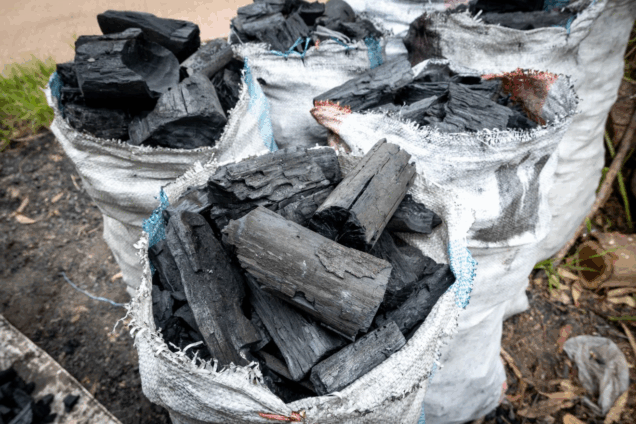
Ghana’s economic narrative is currently presenting a complex picture for the average citizen. Government Statistician Dr. Alhassan Iddrisu recently highlighted a remarkable turnaround in national inflation figures that looks great on paper. However, a closer look at the data reveals that many families are struggling with a hidden cost of living crisis that hits their pockets daily.
The most surprising update from the Ghana Statistical Service is that charcoal has officially become the single biggest driver of national inflation. Prices for this essential cooking fuel have soared by over 50.1% between May 2025 and May 2026. Because charcoal remains the primary fuel for countless Ghanaian households, this spike is creating immediate financial pressure.
Charcoal currently accounts for a staggering 13.1% of the country’s total inflation figure. When the cost of basic fuel rises so sharply, the impact is felt instantly across every community. It serves as a stark reminder that national economic indicators often move at a different speed than the reality of monthly grocery and fuel budgets.

The food sector is also showing signs of significant stress that families cannot afford to ignore. Food inflation climbed to 3.3% in May 2026, marking a notable increase from the 2.2% recorded in April. Between April and May 2026 alone, food prices jumped by 2%, which represents one of the fastest single month increases observed by the service recently.
Tomatoes have emerged as a major culprit in this food price surge. Year on year, the price of tomatoes climbed by 35.8%. Even more alarming is the single month spike, with prices jumping by 38.8% just between April and May 2026.
This sudden price movement is primarily a supply shock tied to regional instability. Earlier this year, attacks on Ghanaian traders in Burkina Faso triggered an export ban that severely disrupted the supply chain. Although authorities reversed the ban on April 2, the supply chain damage was already done and the resulting price spikes are still hitting the market.
The data shows a clear gap between improving national economic headlines and the daily struggle of managing household costs. While the broader inflation performance is showing progress, energy and food prices are clearly not following the same trend. These figures confirm that for many citizens, the challenge of maintaining a stable household budget remains as tough as ever.
Also Read: Why Finance Minister Ato Forson Predicts Inflation Below 5% in 2026
Source: myjoyonline.com