

 By Emmanuel Fletcher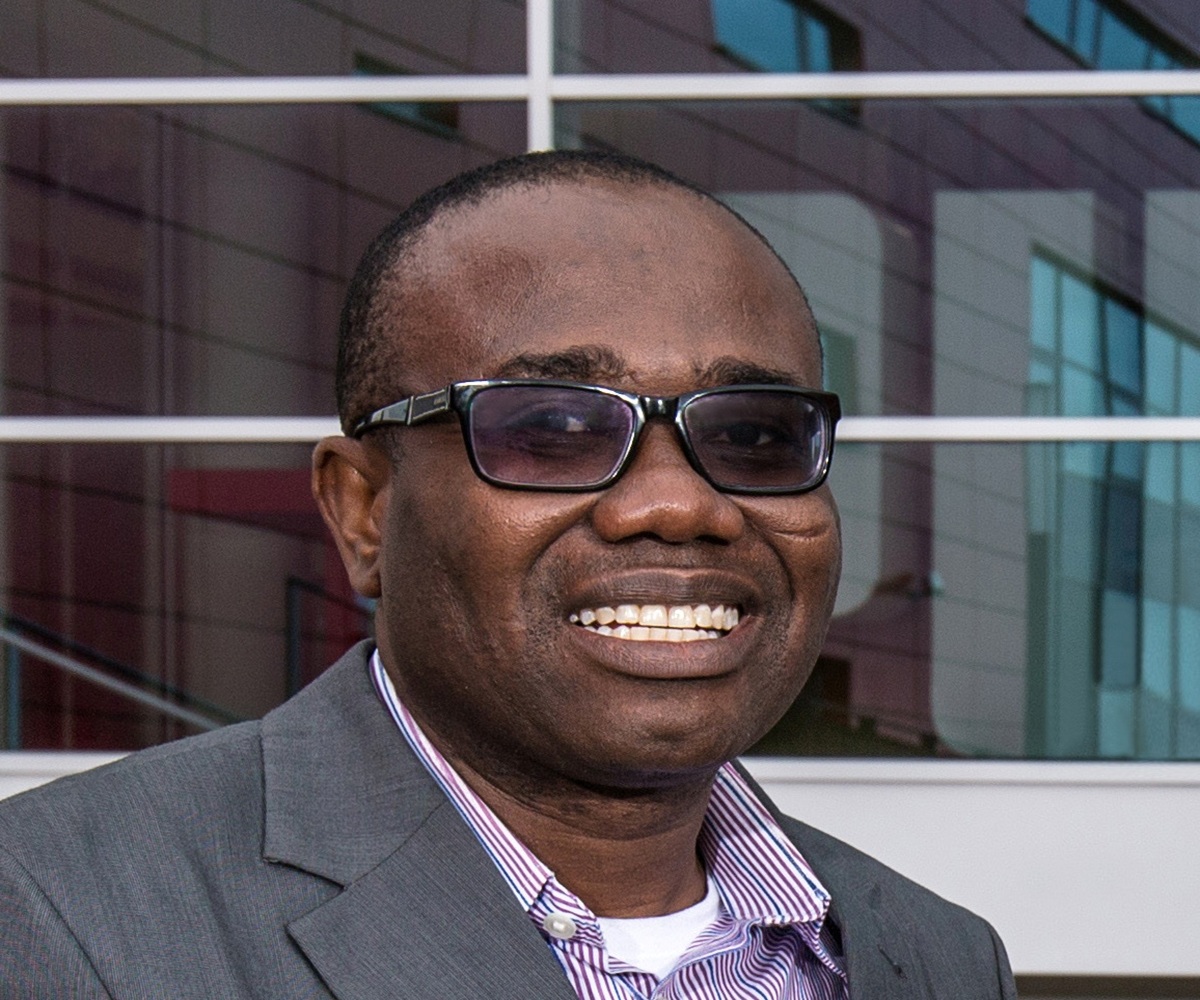
The ongoing conversation surrounding the future of African sports has taken a highly analytical turn. Former Ghana Football Association (GFA) President Kwesi Nyantakyi has publicly stated that the remarkable rise of Moroccan football on the global stage is entirely the result of deliberate state investment rather than mere luck.
The veteran football administrator shared his detailed perspective in an insightful opinion piece published on Facebook. His analysis comes at a crucial time as local football fans continue to review the performance of the Black Stars and look for practical ways to rebuild our national sporting structures.
Kwesi Nyantakyi pointed out that Morocco has successfully demonstrated how strategic public financing can completely alter the fortunes of a sporting nation. He explained that relying strictly on short-term interventions or financial rewards from tournament qualifications will never yield lasting results.
The former GFA boss noted that relying heavily on institutional bonuses does not establish a deep talent pipeline. To build a highly competitive national side, a country must focus its resources on grassroots infrastructure, structured youth academies, and the proper certification of local coaches and referees.
The most eye-opening revelation in the text centers on how the North African country finances its local leagues to remain dominant. Beyond standard FIFA and CAF grants, the Moroccan government actively pumps heavy state funds directly into the pockets of domestic players.
For instance, every single female athlete competing in the top-tier Moroccan local league receives a consistent monthly stipend of six hundred Euros directly from the state. This dedicated financial cushioning has allowed local clubs to thrive professionally, turning their domestic teams into certified African champions and elite global competitors.
The continuous progress of the Atlas Lions offers highly valuable blueprints for the Ministry of Youth and Sports and the current GFA leadership. Nyantakyi identified two fundamental pillars that dictate long-term athletic success across the globe, sound development planning and sustainable funding.
Success in modern international football is neither accidental nor instantaneous, it requires immense patience and an unwavering commitment to youth development. Ghanaian football stakeholders must move away from emergency tournament preparations and embrace a centralized, state-supported sports model to restore our lost continental glory.
Also Read: Morocco Restricts Brazil to a Competitive Tie in Group C World Cup Opener