

 By Collins Sarkodieh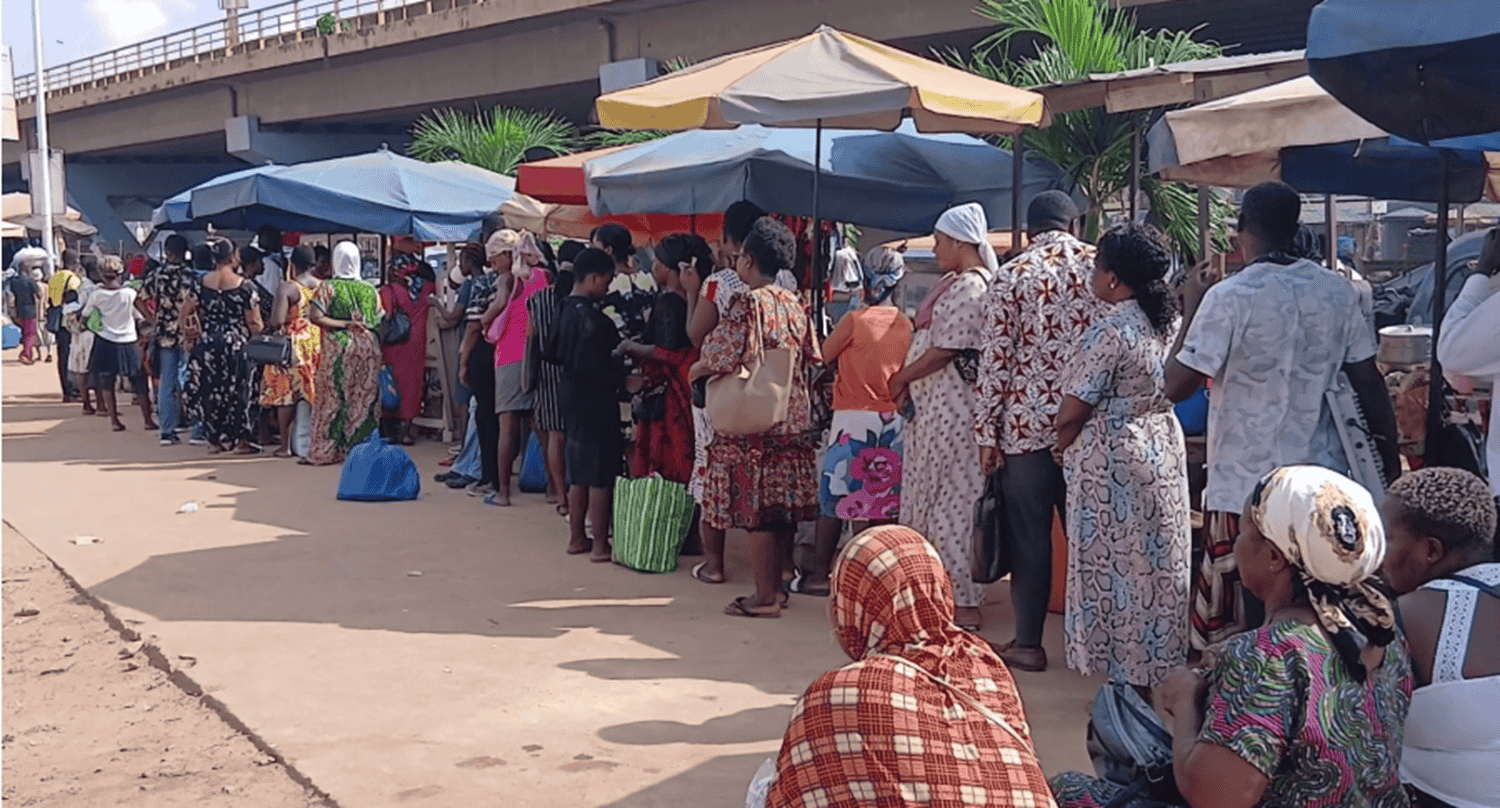
The daily commute across the Greater Accra Region has turned into an intense, stressful gamble for thousands of public transport users. Standard bus stops and trotro stations are heavily overwhelmed as passengers fight a daily battle against long waiting lines, vehicle shortages, and erratic pricing.
From the early morning rush to the late-night journey home, urban workers, traders, and students navigate a public transit network struggling under rapid urbanization.The severe shortage of public transport choices stems directly from deep structural bottlenecks within the capital’s expanding landscape.
Logic dictates that when thousands of workers relocate to distant suburban communities like Pokuase, Kasoa, Amasaman, New Bortianor, and West Hills, city road networks must adapt to keep pace. Unfortunately, infrastructure expansion has lagged behind this rapid population growth.
Major transport corridors including the George Walker Bush Highway, Spintex Road, Mallam Junction, and the Lapaz stretch frequently plunge into intense traffic gridlock during peak hours. Transport operators like the Ghana Private Road Transport Union explain that a single minibus that should complete five profitable roundtrips a day now manages only a fraction of that number because it spends hours burning fuel in standstill traffic.
To make up for lost time and maximize profits, some operators bypass less lucrative routes or charge unapproved, inflated fares. Commuters traveling from West Hills to Lapaz sometimes find themselves paying up to GH¢16 for journeys that traditionally cost far less.
Hoping that a single batch of new vehicles will instantly solve decades of intense city gridlock is an absolute logical error. Many residents hoped the government’s recent commissioning of 100 new Metro Mass Transit buses would bring immediate relief to crowded terminals.
However, Transport Minister Joseph Bukari Nikpe and corporate communication heads clarified that these new 29-seater Isuzu buses are primarily meant for intercity travel across the country rather than solving Accra’s local commuter crisis. True urban transformation relies on building dedicated bus lanes and sustainable mass transit systems rather than relying entirely on small, private minibuses.
By understanding these structural bottlenecks and looking forward to the refurbishment of larger buses for future city deployment, local town planners can apply the right logic to fix our roads and make moving around Accra dignified and stress-free for everyone.
Also Read: Government Boosts Public Transport with 140 New Buses for STC