

 By Ishmeal
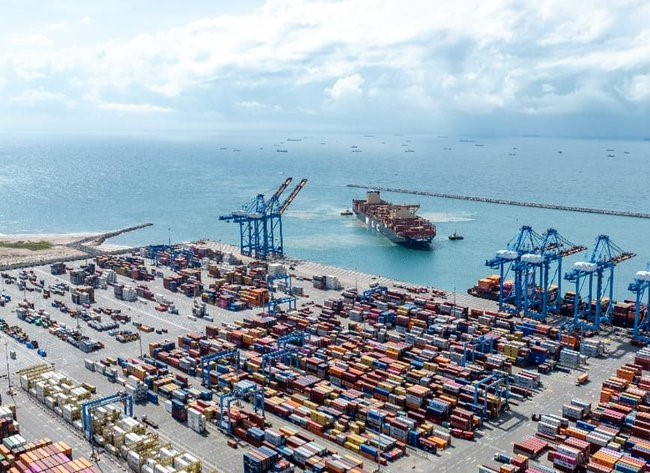
Ghana’s growing connection to major international cocaine seizures has raised fresh concerns about the effectiveness of security checks at the country’s ports, particularly the Port of Tema.
In an opinion article published by 3News on Thursday, November 12, 2026, Richard Sena Quashie examines whether the increasing number of cocaine seizures linked to Ghana reflects improved law enforcement or exposes gaps that international drug trafficking networks continue to exploit.
At the centre of his analysis is a troubling pattern: some of the largest cocaine shipments linked to Ghana have been intercepted in Europe, after leaving the country.
Major Cocaine Shipments Intercepted Abroad
Quashie highlights several major cocaine seizures involving shipments that originated from Ghana.
In June 2025, Dutch authorities intercepted approximately 4.5 tonnes of cocaine concealed in a timber shipment from Ghana at the Port of Amsterdam.
Belgian authorities subsequently seized 2,829 kilogrammes of cocaine hidden in a shipment of cassava flour from Tema in November 2025. Another reported seizure involving 1,158 kilogrammes followed in December.
In September 2026, French customs officers intercepted nearly 3.9 tonnes of cocaine concealed in a container declared as plastic waste at the Port of Dunkirk.
The latest case involved approximately 2.6 tonnes of cocaine hidden inside coconut crates in two shipping containers originating from Tema. Spanish authorities announced the seizure on November 11, 2026, and arrested two men in Spain in connection with the shipment.
These incidents have renewed scrutiny of Ghana’s export inspection systems and the ability of security agencies to detect illegal consignments before they leave the country’s ports.
What Do the Figures Reveal?
According to the analysis, the location of these seizures is just as important as the quantities involved.
While Ghanaian security agencies have recorded significant drug interceptions locally, several of the largest cocaine consignments associated with the country have been seized by foreign authorities after leaving Ghana.
A JoyNews Research tally covering the period from March 2025 to September 22, 2026, identified 11 cocaine-related cases among 28 drug seizures linked to Ghana.
Of the 11 cocaine cases, seven seizures were recorded in Ghana, while four took place abroad.
The cocaine seizures recorded locally, for which weights were published, amounted to approximately 3.6 tonnes. By comparison, about 12.4 tonnes were intercepted abroad.
The figures raise an important question about whether Ghana’s port screening systems are effectively identifying high-risk containers before they enter international shipping routes.
Renewed Questions Over Port Security
Quashie also examines changes to Ghana’s port inspection arrangements, particularly the removal of the Narcotics Control Commission (NACOC) from routine joint container inspections under reforms introduced in 2018.
NACOC was subsequently restored to joint container inspections following a directive by President John Mahama in September 2026.
The analysis further draws attention to a prosecution involving allegations of irregularities in scanner images at Tema Port. Four Customs officers have been charged in connection with the case. They remain presumed innocent until proven guilty.
These developments have brought renewed attention to the country’s cargo inspection systems, scanning equipment, intelligence sharing and accountability measures.
The challenge is not simply to seize drugs when they are discovered abroad, but to strengthen the systems that can identify suspicious consignments before they leave Ghana.
Are More Arrests Enough?
Ghana has recorded arrests and major drug seizures, but the number of arrests alone does not tell the full story of the country’s fight against drug trafficking.
The public also needs reliable information about investigations, prosecutions, convictions, the number of export containers scanned and the number of suspicious shipments intercepted before departure.
Quashie argues that the government should make updated seizure figures and investigation reports available to the public. Such information would help citizens assess the performance of the agencies responsible for protecting Ghana’s borders and ports.
Ultimately, the issue goes beyond the quantity of cocaine seized. It concerns the effectiveness of Ghana’s security systems and whether international trafficking networks are exploiting weaknesses in the country’s export processes.
Also Read:Speaker Sets 2Pm As Regular Sitting Time For Parliament